Toronto Digital Nomad Guide: Cost, Neighborhoods & WiFi
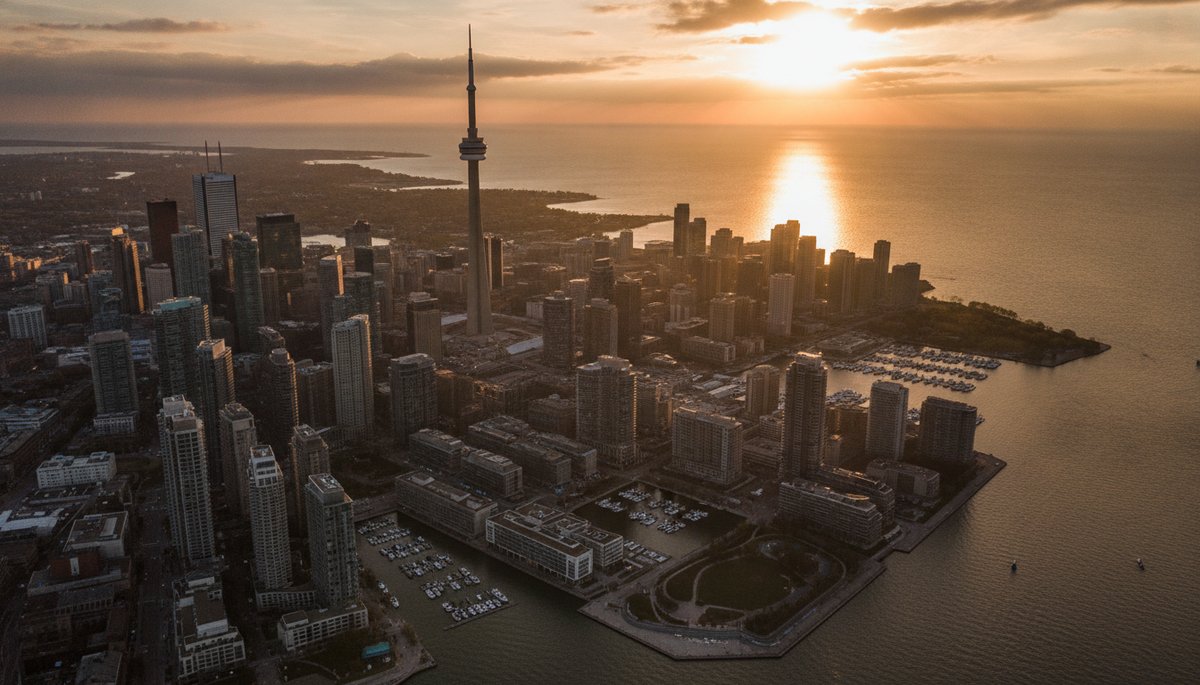
Toronto is Canada's biggest city and one of the more practical North American bases for a remote worker: reliable transit, fast internet, a deeply multicultural food scene, and direct flights to most major hubs. It's not a budget destination — but if you want big-city infrastructure without leaving North America, it's worth a serious look.
Quick Answer: Toronto is a solid but pricier digital nomad base — expect roughly CAD $3,500–4,600/month all-in for a solo nomad, reliable TTC transit, and a wide coworking scene concentrated downtown and in Queen West/Liberty Village. Most nomads enter on visitor status (eTA or visitor visa) and can work remotely for a foreign employer for up to six months without a work permit, though rules deserve a direct check before you fly. Shoulder season (May, or September–October) is the best time to go; winter is genuinely cold.
Is Toronto Good for Digital Nomads?
Yes, with caveats: Toronto gives you strong infrastructure and connectivity, but at a noticeably higher cost than most nomad hotspots.
What works: dependable public transit, fast and widely available broadband, a huge and genuinely diverse food scene, direct flights to Europe, Latin America, and across North America, and English as the default working language (Toronto is also one of the most multilingual cities anywhere, with roughly 200 languages spoken across its neighborhoods).
What doesn't: rent and everyday costs run well above most Latin American or Southeast Asian nomad bases, and winters are long and genuinely cold — this isn't a warm-weather escape. It's a better fit for nomads prioritizing a stable, English-speaking North American base than for anyone chasing a low cost of living.
How Do You Get to Toronto? Airports and Getting Downtown
Toronto is served by two airports, and which one you land at shapes your first hour in the city.
Toronto Pearson International Airport (YYZ) is Canada's busiest airport and where nearly all international flights land, roughly 25 km northwest of downtown. The UP Express train runs from the arrivals level to Union Station in about 25–28 minutes, departing every 15 minutes; the standard one-way adult fare is CAD $12.35 (discounted with a PRESTO card). Budget travelers can take the TTC 900 Airport Express bus to Kipling subway station and continue downtown on Line 2, which takes longer but costs a regular transit fare.
Billy Bishop Toronto City Airport (YTZ) sits on the downtown waterfront and mainly handles domestic and a handful of U.S. routes via Porter Airlines. From YTZ you can be at Union Station in under 20 minutes via the free shuttle to the Fairmont Royal York or by walking to the 509 Harbourfront streetcar — useful if you're flying in from a smaller North American city or connecting through elsewhere in Canada.
Where Should Digital Nomads Stay in Toronto?
For a short stay, book downtown near Union Station; for a longer stay, Queen West or Leslieville generally give you more neighborhood feel for the rent.
Downtown / Entertainment District — the highest concentration of short-term rentals and hotels, walking distance to Union Station and most subway lines. Convenient but touristy and busy; best for a first month while you scout longer-term options.
Kensington Market & The Annex — a walkable, independent-shop-and-café-heavy area near the University of Toronto, with some of the city's best food stalls and a slower pace than downtown. Kensington Market itself is a designated National Historic Site of Canada, which tells you something about how tightly its character is protected.
Queen West — one of the city's most energetic corridors, with independent restaurants, galleries, and a solid concentration of coworking spaces and laptop-friendly cafés; a popular pick for longer-staying remote workers.
Leslieville — a quieter, more residential east-end neighborhood with a growing café and small-business scene, generally a notch cheaper than downtown or Queen West while still an easy streetcar ride from the core.
Liberty Village — a former industrial pocket near the waterfront, now dense with condos and young professionals, close to Exhibition Place (where BMO Field, home of Toronto FC, sits as a waterfront landmark).
Rent moves with the market, but as of 2026, one-bedroom apartments in the downtown core have generally been listed in the roughly CAD $2,100–2,900/month range — always check current listings before committing to anything.
How Do You Get Around Toronto Without a Car?
Toronto's transit system, the TTC, covers most of what a nomad needs without a car: two subway lines, streetcars, and buses.
Line 1 (Yonge–University) runs north-south through the downtown core; Line 2 (Bloor–Danforth) runs east-west and connects to Pearson's airport bus at Kipling Station. Streetcars fill in the gaps downtown and along the waterfront, and buses cover the rest of the city.
A single TTC fare is CAD $3.30 paid by PRESTO card or tap-to-pay (fares were frozen again for 2026). The PRESTO card also works across GO Transit and UP Express, so it's worth getting if you're staying more than a couple of weeks. Ride-hailing apps (Uber, Lyft) operate citywide and are the standard fallback after the subway closes around 1:30 a.m., when Night Bus routes take over. Toronto's downtown core is also genuinely walkable, and bike-share stations are common in the central neighborhoods.
What Does It Cost to Live in Toronto as a Digital Nomad?
Budget roughly CAD $3,500–4,600 a month all-in for a solo nomad living moderately — this is a general market range, not a guarantee, so verify current listings before you plan around it.
- Rent (1BR): roughly CAD $2,100–2,900/month downtown; less in Leslieville or further from the core
- Utilities & internet: roughly CAD $250–350/month if not included in rent
- Transit: a PRESTO monthly pass or pay-per-ride adds up to roughly CAD $130–160/month with regular use
- Coworking: hot-desk and dedicated-desk memberships in Toronto generally run somewhere in the CAD $200–600/month range depending on the space and location
- Food: highly variable — cooking at home is far cheaper than eating out regularly in a city with Toronto's restaurant prices
These are directional ranges, not fixed prices — Toronto's rental market moves month to month, so cross-check current listings (Zumper and similar rental-data sites track this in near-real time) before you budget around any single number.
Where Can You Work From in Toronto? (Coworking, Cafés and WiFi)
Toronto has a mature coworking scene, concentrated downtown and in Queen West/King West, plus a strong café culture if you'd rather work informally.
WeWork operates several Toronto locations, including 1 University Avenue, 240 Richmond Street West (near Osgoode), and 1050 King Street West in the King West/Queen West area — a reasonable starting point if you want a recognizable brand with day-pass flexibility. Beyond WeWork, Toronto has a range of independent coworking spaces across price points and niches, so it's worth comparing a couple in your target neighborhood before committing to a monthly membership.
Broadband and mobile coverage across Toronto are consistently reliable in coworking spaces, cafés, and most apartments — connectivity generally isn't the limiting factor here the way it can be in some nomad destinations. If you're bouncing between Canada and the U.S., an eSIM (Airalo is a common pick among nomads for its regional plans) can save you the hassle of swapping SIM cards at the border — see our full comparison of eSIM options for North America if you want to compare plans before you fly.
Do You Need a Visa to Work Remotely From Toronto?
Most nationalities can enter Canada on visitor status — a visitor visa or, for many countries, the CAD $7 eTA — and stay up to six months at a time.
Canada doesn't have a dedicated "digital nomad visa," but current guidance generally treats working remotely for a foreign employer (with no Canadian clients or Canadian pay) while on visitor status as not requiring a separate work permit. That said, this is a general framework, not a guarantee — individual border officers have discretion, guidance can shift, and this isn't legal advice. Confirm the current rules directly on canada.ca before you travel, and keep proof of your foreign employment and income on hand in case you're asked about your plans at the border.
Is Toronto Safe for Remote Workers?
Toronto is widely regarded as one of the safer large cities in North America, and the neighborhoods covered above (downtown, Kensington Market, Queen West, Leslieville, Liberty Village) are all commonly used by both tourists and long-term residents without particular concern.
Standard big-city common sense applies: stay aware in busier nightlife strips late at night, use licensed ride-hailing after transit hours, and keep an eye on belongings on crowded streetcars and subway platforms during rush hour. As with any city, conditions can shift by block and season — if anything about a specific area gives you pause, ask your accommodation host or a local before heading out.
When Is the Best Time to Visit Toronto as a Digital Nomad?
Late spring (May) and fall (September–October) are generally the best months — mild temperatures, fewer crowds, and rents that haven't hit peak summer demand.
Summer (June–August) is warm (daytime highs commonly reach the mid-to-high 20s °C) and lively, with festivals and patio season in full swing, but it's also the busiest and most expensive stretch. Winter (December–March) brings regular sub-zero days, snow, and short daylight hours — workable if you don't mind bundling up and spending more time indoors, and rents do tend to soften in the coldest months. If a Canadian winter isn't for you, warm-weather bases like Miami are worth comparing for the coldest stretch of the year.
What Else Is Toronto Good For? Food, Culture and Day Trips
Toronto's biggest lifestyle draw for a long-staying nomad is food: the city's roughly 200 spoken languages translate directly into one of the most genuinely diverse restaurant scenes in North America, from Kensington Market's food stalls to neighborhood spots across the city representing dozens of cuisines.
For downtime, the CN Tower (553 metres, with an observation deck and glass floor) anchors the skyline near Union Station; the Distillery District is a pedestrian-only Victorian-era complex of galleries, cafés, and boutiques about 15 minutes east of Union Station; and the Royal Ontario Museum in Yorkville covers natural history, art, and world culture for a half-day break from your laptop. If you need a full day away from the city, Niagara Falls is about 90 minutes from downtown by car or bus.
The Verdict: Should You Base Yourself in Toronto?
Toronto makes the most sense as a nomad base if you value strong infrastructure, reliable transit, direct flight connections, and a genuinely multicultural city over chasing the lowest possible cost of living. It's less compelling if budget is your top priority or if you specifically want warm weather year-round.
If you're weighing Toronto against other major North American cities as a remote-work base, our host-city breakdown for remote workers is a good next stop, and if Toronto is one leg of a longer North America trip, check our travel guide to the region's other major hubs for logistics on moving between cities.
Frequently Asked Questions
Is Toronto good for digital nomads?
How much does it cost to live in Toronto as a digital nomad?
Do you need a visa to work remotely from Canada?
What's the best neighborhood in Toronto for remote workers?
What's the best time of year to visit Toronto as a nomad?
You Might Also Like
Nomad Travel Briefing — September 14, 2026
Travel & Remote Work Briefing — September 13, 2026

Nomad Travel Briefing — September 10, 2026