
Travel & Remote Work Briefing — September 13, 2026
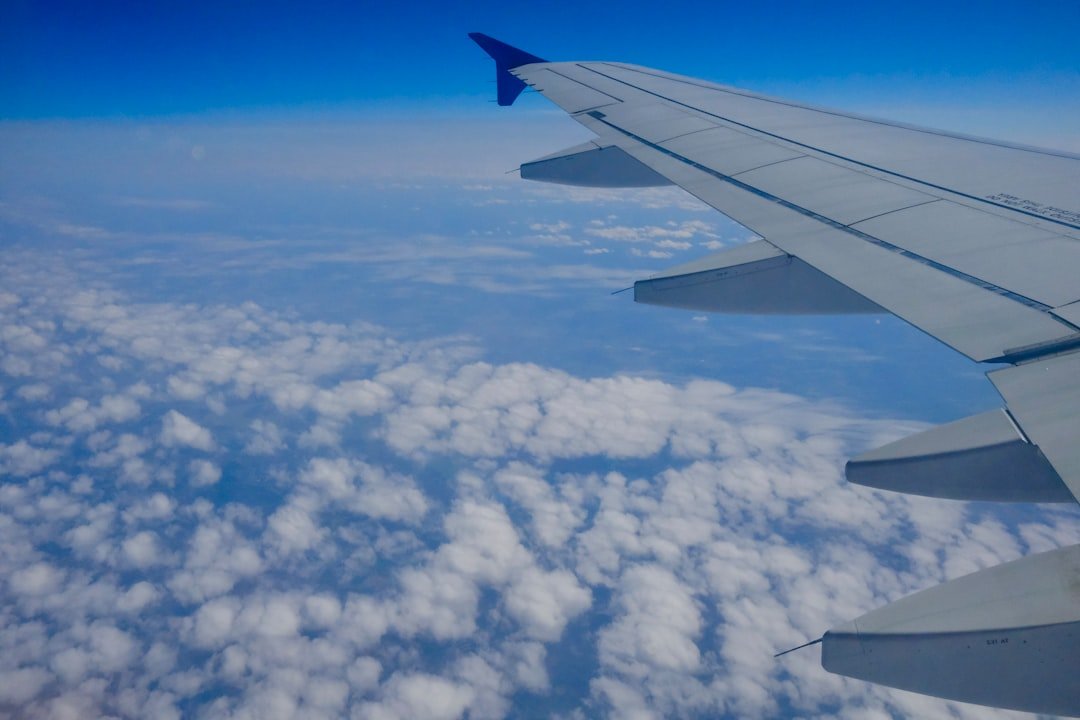
Both of today's stories are about infrastructure you don't control but should probably check before booking. One sits under the flight path — a shipping chokepoint whose disruption has kept oil elevated for months. The other is bolted to the aircraft itself, and determines whether a ten-hour sector is a lost day or a billable one. Neither calls for changing plans today; both are worth knowing before you pick a Q4 itinerary.
What happened in the Strait of Hormuz, and why does it matter for nomads routing through Gulf hubs?
The UK Maritime Trade Operations agency said a vessel was struck by an unknown projectile while transiting the Strait of Hormuz early on Sept. 13, the latest incident in a monthslong crisis that has already cut tanker traffic through the chokepoint by roughly 90%.
UKMTO said in a statement that "a vessel has been struck by an unknown projectile while transiting the Strait of Hormuz," adding that the crew's status, damage assessment and environmental impact were unknown at the time of the report, according to Arab News. The agency, which monitors shipping security across the Gulf, did not identify the vessel's flag, ownership or cargo. CNN reported that a fire broke out aboard the vessel and that local authorities were helping evacuate the crew.
The strike is the latest in a crisis that began after the U.S. and Israel struck Iran in late February and Iran responded by restricting passage through the strait, Arab News reported. Daily traffic through the waterway — which carried an average of about 20 million barrels of oil a day before the conflict, according to CNN — remains about 90% below those pre-conflict levels. Brent crude was trading around $97 a barrel as of Sept. 7, up 19% over the prior month, Al Jazeera reported, citing persistent supply concerns tied to the fighting. Diplomats from Iran and Gulf states are scheduled to meet in Oman on Monday, though CNN reported that not every regional government has confirmed it will attend.
For nomads routing long-haul flights through Gulf megahubs like Dubai, Doha and Abu Dhabi, this is not a confirmed routing disruption. None of the reporting on this incident says airlines have rerouted flights or adjusted fares because of it, and we're not predicting that here. But the pattern in this conflict is worth flagging: oil prices have climbed and fallen sharply several times as attacks and diplomatic signals have alternated, and jet fuel costs typically track crude with a lag. If you have a Q4 repositioning move that transits the Gulf, the practical hedge is timing and flexibility, not avoidance — book long-haul segments earlier while fares are stable, build buffer into any single-hub Gulf layover rather than a tight connection, and favor flexible fare classes while the situation is unresolved. Anyone weighing cheap flight strategies for 2026 should treat a Gulf transit as the leg most likely to move.
Source: Arab News; CNN via KVIA; Al Jazeera
Does your flight actually have Starlink wifi — and will it cost you?
Starlink is spreading fast across airline fleets, but installing it runs roughly $500,000 per Boeing 737-800 plus about $180,000 a year in fees, and on many carriers the fastest tier is still gated behind a loyalty-program login rather than handed out free to everyone.
Alaska, Hawaiian, United, Southwest, American and Frontier have all signed on for SpaceX's Starlink, alongside international groups including IAG, Air France-KLM, Lufthansa and Emirates, Skift reported. Delta and JetBlue went the other way, backing Amazon's rival Leo network instead. The installation math explains the slow, plane-by-plane rollout: Skift reported that equipping United's 141 older 737-800s alone would cost about $28.2 million upfront plus roughly $25.4 million a year in fees — and widebodies, with composite fuselages and heavier data use, cost even more.
That matters for anyone planning to treat a long sector as a workday. As of September, Skift reported United had Starlink on 563 of its 1,658 aircraft (about 34%), Alaska was around 36% complete, and Southwest — which launched in June — was still near 1%. Coverage also doesn't guarantee free access: United requires a MileagePlus login and Copa Airlines charges economy passengers outright while giving business class and elite flyers a free connection, according to Upgraded Points; Southwest requires free Rapid Rewards membership, per Simple Flying. Before booking a long-haul flight you intend to work from, check the airline's own fleet and route pages for your specific aircraft, and join the relevant loyalty program in advance — it's free, and often the only thing between usable wifi and none. For more, see our guide on staying connected and insured while working abroad.
Source: Skift
What to watch
- Whether Monday's talks in Oman change anything about traffic through the strait, and which governments actually show up.
- Whether crude holds near current levels or resumes swinging — that's the number that eventually reaches long-haul fares.
- Whether any carrier moves free high-speed wifi out from behind a loyalty login as Starlink coverage becomes a competitive expectation.
You Might Also Like
Travel + Remote Work Briefing — October 9, 2026
Travel + Remote Work Briefing — October 8, 2026

Travel + Remote-Work Briefing — October 7, 2026