Miami Digital Nomad Guide: Cost, Neighborhoods & Wifi
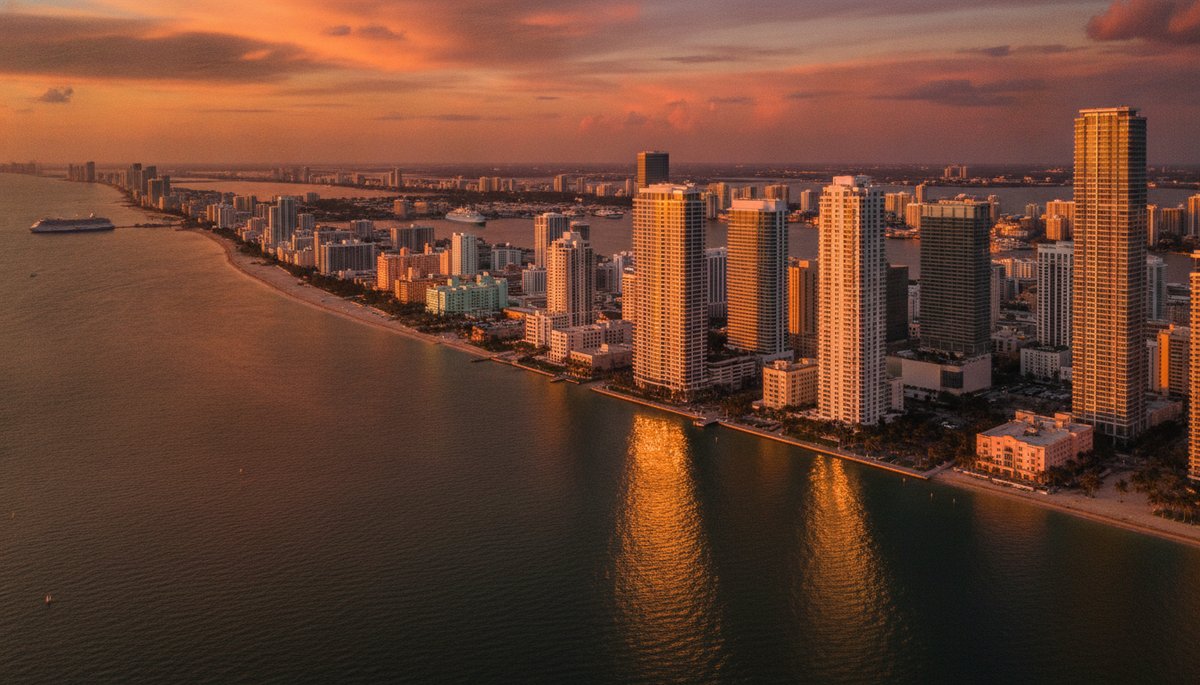
Miami is one of the easiest US cities to land in as a remote worker — a major international airport, genuinely fast internet, and a skyline that makes video calls look good. It's also one of the more expensive US bases, so the question isn't whether you can work from Miami, it's whether the cost fits your budget and the lifestyle fits what you're looking for.
Quick Answer: Miami is a strong digital nomad base if you want fast wifi, direct flights, and a bilingual, beach-adjacent city — expect US-level costs and a more car-dependent layout than a place like New York. There's no dedicated digital nomad visa, so most remote workers stay on a standard tourist entry (ESTA or B-1/B-2) and should verify current rules before planning a long stay.
Is Miami Good for Digital Nomads?
Yes, with caveats. Miami gives you reliable fiber internet in most central neighborhoods, a real coworking and café scene, direct flights across the Americas and to Europe, and a bilingual (English/Spanish) culture that's genuinely useful if you're building a network across Latin America. The trade-off is cost: this is a US city, not a budget Latin American hub, and rent, food, and health insurance all run higher than nomad favorites like Mexico City or Medellín.
It also spreads out more than a compact walkable city. You can live car-free in Brickell or Downtown, but reaching Wynwood, South Beach, or Little Havana regularly usually means rideshare or the bus rather than a 10-minute walk.
How Do You Get From Miami's Airports Into the City?
Miami International Airport (MIA) is the main gateway, roughly 7 miles from downtown (about a 10–15 minute drive outside rush hour) and the second-busiest US airport for international passengers. The Orange Line Metrorail runs directly to MIA (transfer at Earlington Heights if you're coming from further north), with trains running roughly 5 a.m. to midnight and a flat fare of $2.25. Rideshare is the other easy option — an Uber from MIA to Brickell averages around $27, higher during surge/peak times.
Fort Lauderdale-Hollywood International Airport (FLL) is a solid alternative, especially for cheaper flights on budget carriers. It's roughly 24-25 miles from downtown Miami — 30-45 minutes by car outside rush hour, up to an hour during evening rush. Brightline intercity rail also connects Fort Lauderdale to Miami Central station if you'd rather skip driving.
How Do You Get Around Miami Once You're There?
Miami is more car-dependent than New York or Chicago, but a base in the right neighborhood makes it manageable without owning a car. Metrorail (two elevated lines, $2.25 flat fare, roughly 5 a.m.-midnight) covers downtown, Brickell, and points south and west. Metromover is a free automated people-mover looping downtown and Brickell — genuinely useful for short hops. Everything off that grid — Wynwood, South Beach, Little Havana — generally means rideshare, which is widely available but can surge during peak times and major events.
Where Should Digital Nomads Stay in Miami?
Brickell is the default pick for remote workers: it's on the Metrorail, dense with coworking spaces, cafés, and gyms, and safe to walk at most hours. Rents here run toward the higher end of the city.
Wynwood is the creative/tech-adjacent alternative — murals, galleries, breweries, and a strong café-and-coworking scene (this is where you'll find The LAB Miami, one of the city's original coworking spaces). It's not on the Metrorail, so budget for rideshare.
South Beach is the classic Miami experience — Ocean Drive, the beach, nightlife — but it's the most expensive and least practical base if you're trying to work consistent hours; treat it as a place to visit rather than settle.
Little Havana stretches a budget noticeably further while staying close to the urban core, with real Cuban culture, food, and a slower pace along Calle Ocho. It's less wifi-cafe-dense than Brickell or Wynwood, so plan to work from a coworking space or your apartment rather than counting on café culture.
What Does Miami Cost for a Digital Nomad?
Expect Miami to run at or above general US big-city costs — this is not a budget base. As of 2026, one-bedroom rents vary enormously by neighborhood, from roughly the mid-$1,000s in more affordable pockets to well over $2,500 in Brickell or beachfront areas; coworking hot desks generally run a couple hundred dollars a month up to several hundred for a dedicated desk in a premium building. Add groceries, dining, transit, and health insurance (essential if you're not covered by an employer or travel policy) and a comfortable solo setup can land anywhere from the low thousands to well over $4,000-5,000 a month depending on neighborhood and lifestyle.
These are directional ranges, not quotes — verify current listings and coworking rates before you commit, since Miami rental and membership pricing moves quickly.
Where Can You Work From in Miami? (Coworking & Cafés)
Miami has a real coworking scene concentrated in Brickell, Downtown, and Wynwood. The LAB Miami in Wynwood is the city's original coworking space, running out of a converted warehouse with a strong creative/entrepreneur community. Brickell has several professional-grade options aimed at finance, legal, and corporate remote workers, plus major chains with a presence in the city. If coworking isn't your budget, Miami also has a solid café culture for laptop work, though — as anywhere — it's worth checking a café's actual wifi and outlet situation before you settle in for a full day, since policies vary spot to spot.
How Do You Stay Connected in Miami?
Home internet in Miami's central neighborhoods is generally fast and reliable (fiber options widely available), and mobile coverage across the city is strong. The one wrinkle: Atlantic hurricane season (June 1-November 30) occasionally brings storm-related outages, so if you're staying through summer or fall, a mobile hotspot as backup isn't a bad idea.
If you're arriving from outside the US, sorting connectivity before you land is worth doing. The Airalo USA eSIM lets you install a data plan before you fly and activate on landing, so you have maps and ride-share working the moment you land at MIA. (Affiliate link — we may earn a commission at no extra cost to you.) For a broader comparison of options, see our roundup of eSIM options for traveling in the US.
Can You Work Remotely in Miami Without a Work Visa?
There's no dedicated US digital nomad visa as of 2026. Most nomads enter under the Visa Waiver Program (ESTA), which allows eligible-country citizens up to 90 days for tourism or business, or a B-1/B-2 visitor visa, where CBP officers generally grant up to 6 months at their discretion (not automatic, and not guaranteed).
Working remotely for a non-US employer while on tourist status is common in practice but sits in a genuine legal gray area — it hasn't been tested the way, say, a formal digital nomad visa program has in other countries. Rules and enforcement can change, so check current official guidance (CBP, USCIS, or an immigration attorney) rather than relying on this guide or forum advice for anything beyond a short stay.
Is Miami Safe for Remote Workers and Solo Travelers?
Miami's core neighborhoods — Brickell, Downtown, Wynwood, and most of South Beach — are well-trafficked and generally safe for the standard precautions you'd use in any big US city: use rideshare rather than unmarked taxis late at night, keep an eye on bags in crowded areas, and stick to well-lit, populated streets after dark. As with any major city, conditions vary block to block, so it's worth asking locals or your accommodation which specific streets to treat with extra caution, especially if you're exploring outside the main tourist and coworking corridors.
When Is the Best Time to Visit Miami as a Digital Nomad?
The Atlantic hurricane season officially runs June 1 through November 30, with the statistical peak in September and October. The most reliable stretch for a nomad base is roughly December through April — drier, less humid, and lower storm risk, though also the busiest and priciest tourist season. May and late November can be a reasonable shoulder-season compromise if you want lower prices and don't mind a slightly higher chance of rain.
If you do plan a stay through summer or hurricane season, keep half an eye on the National Hurricane Center's forecasts and make sure your accommodation has a real storm plan.
What Else Is There to Do in Miami?
Between work blocks, Miami delivers. South Beach's Art Deco district along Ocean Drive is one of the most photographed strips in the country — pastel buildings, neon at night, beach across the street. Wynwood Walls is the neighborhood's outdoor street-art museum, surrounded by galleries, food halls, and coffee shops worth a half-day. Little Havana's Calle Ocho is the cultural heart of Miami's Cuban community — cigar rollers, Cuban coffee windows, and dominoes in Maximo Gomez Park. Bayfront Park downtown is a genuinely relaxed waterfront green space, walkable from Brickell. And Vizcaya Museum and Gardens in Coconut Grove is a historic bayfront estate worth a slower afternoon away from the laptop.
The Bottom Line
Miami is a legitimately good digital nomad base if fast connectivity, direct flights, and a lively bilingual city matter more to you than stretching a budget. Brickell or Wynwood cover most of what a remote worker needs — coworking, transit, and a safe walkable core — while Little Havana offers a cheaper, more local alternative. Just go in with US-level cost expectations, sort your visa status honestly before committing to a long stay, and time a longer stint for the December-to-April window if you want to sidestep hurricane season.
Planning a wider US trip? Our US host cities travel guide and remote-worker overview of US cities cover more bases, and if Los Angeles is also on your list, check our Los Angeles digital nomad guide for a coast-to-coast comparison.
Frequently Asked Questions
Is Miami good for digital nomads?
How much does it cost to live in Miami as a digital nomad?
Do digital nomads need a visa to work remotely from Miami?
What's the best neighborhood in Miami for remote workers?
When is the best time to visit Miami to avoid hurricane season?
You Might Also Like

Nomad Travel Briefing — September 14, 2026
Travel & Remote Work Briefing — September 13, 2026

Nomad Travel Briefing — September 10, 2026