Thailand's Tourist Entry Fee Is Coming Back — Here's What It Could Cost Nomads Who Border-Hop
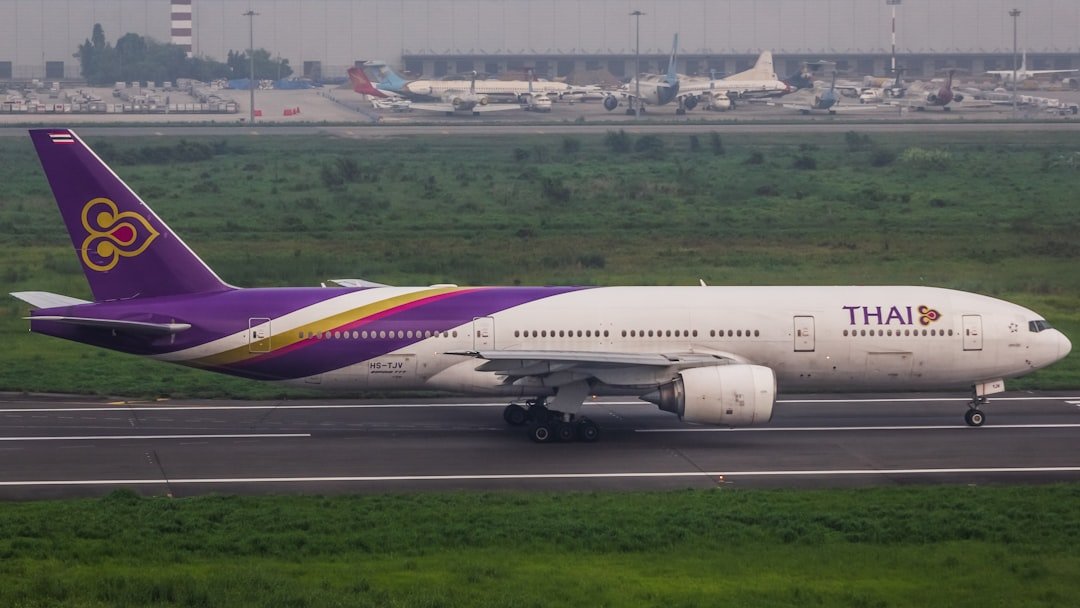
Thailand's tourist entry fee is moving again after years of delays. On Friday, August 15, 2026, the National Tourism Policy Committee, chaired by Deputy Prime Minister and Commerce Minister Suphajee Suthumpun, endorsed a flat 450-baht (roughly $13.50) charge for all foreign visitors arriving by air, land, or sea, according to The Nation Thailand and Thai Examiner. The figure replaces an earlier, lower proposal of 300 baht for air arrivals and 150 baht for land and sea entries.
The plan still has to clear a 30-day public hearing and Cabinet approval before it's final. If it goes through, air arrivals would be charged first, with collection targeted for late 2026 or early 2027; land and sea checkpoints would follow roughly a year later. Officials are weighing collection through airline tickets, a dedicated website or app, or kiosks at entry points — airlines have reportedly resisted folding the fee into ticket prices, so a standalone payment system looks more likely. Revenue is earmarked for automatic accident and health insurance coverage for visitors during their stay, plus a tourism development fund kept outside the regular state budget, per Thai Examiner.
What this means for remote workers and nomads
For a traveler visiting Thailand once, 450 baht is a rounding error. For a nomad running the classic 60-day visa-exemption cycle — flying or crossing a border every couple of months to reset the clock — it's a recurring line item. Do that four to six times a year and the entry fee alone adds up to roughly 1,800 to 2,700 baht (about $54 to $81) annually, on top of the flights, buses, or border-run fees that visa hopping already costs. It's not a dealbreaker on its own, but it's one more reason the math on short-term visa runs keeps getting less favorable compared with securing a longer-stay visa up front.
That's where Thailand's Destination Thailand Visa (DTV) comes in. Aimed at remote workers, freelancers, and self-employed professionals serving clients outside Thailand, the DTV allows a stay of up to 180 days per entry, extendable once for another 180 days at a local immigration office, and carries five-year, multiple-entry validity, according to The Thaiger. It requires proof of at least 500,000 baht (about $16,000) held in a bank account for at least three months, plus a base visa fee of 10,000 baht. Compared with paying a new entry fee every 60 days indefinitely, a handful of DTV entries spread across five years is a cost most frequent visitors would barely notice.
For nomads scouting a 2027 home base, the calculus shifts too. A one-time 450-baht charge is unlikely to push anyone off Thailand entirely, but it does tilt the decision further toward committing to a proper long-stay visa rather than stringing together short visa-exempt entries, especially once land and sea crossings get folded into the fee a year after air arrivals. Anyone planning a Southeast Asia base for next year should treat this as one more argument for applying for the DTV or a comparable long-stay option before repeated border-run flights become the more expensive habit.
The fee still isn't law. It needs to survive the public hearing and a Cabinet vote, and Thailand has delayed similar proposals before. Nomads with trips planned for early 2027 should watch for the Royal Gazette publication that would set a firm start date rather than budgeting around this version of the plan just yet.
Sources
You Might Also Like
Travel + Remote Work Briefing — October 21, 2026
Travel + Remote Work Briefing — October 20, 2026
Travel + Remote Work Briefing — October 19, 2026