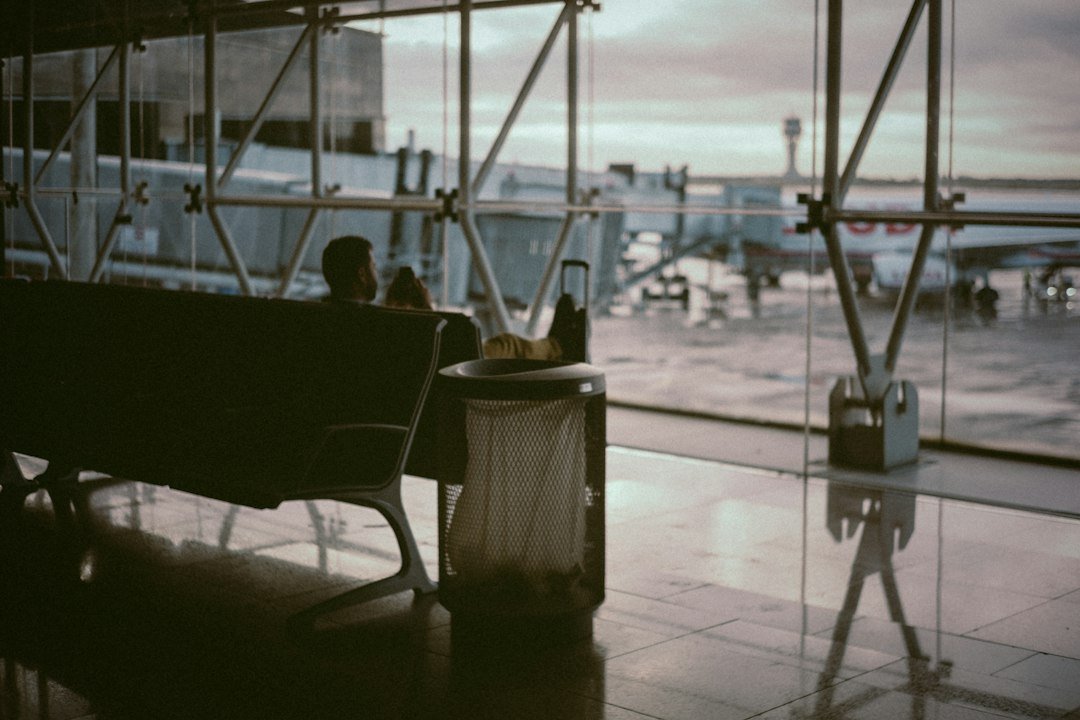
Best Time to Work Remotely from Europe: Fall Shoulder Season Guide
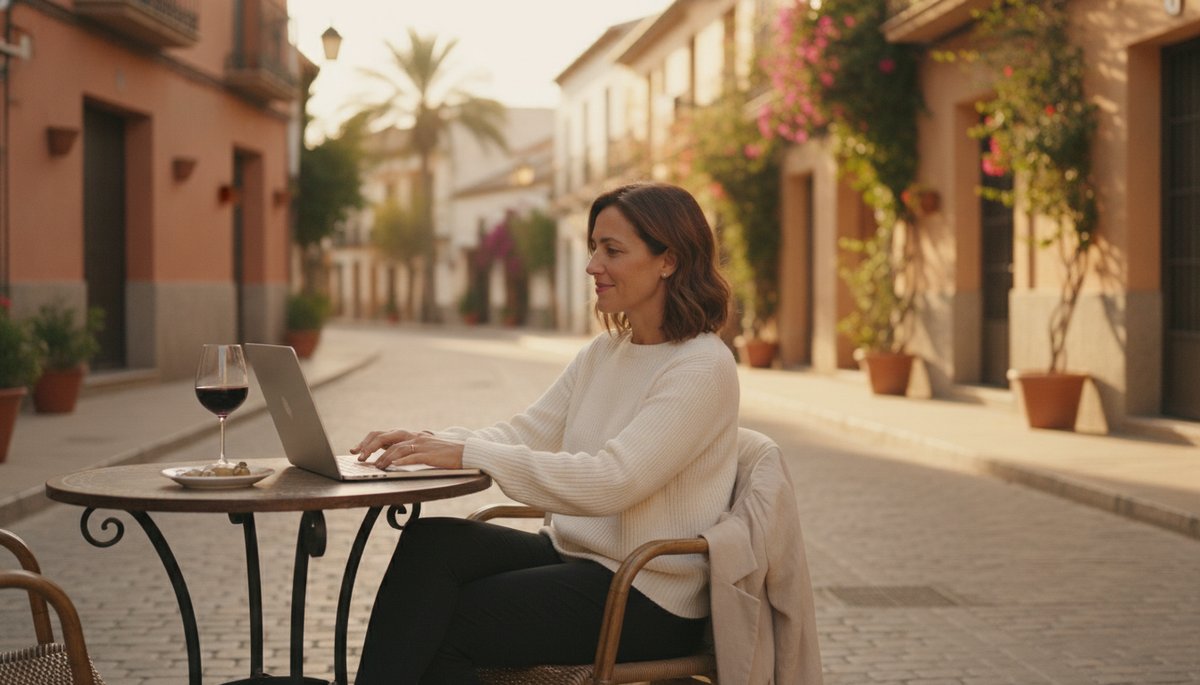
Best Time to Work Remotely from Europe: The Fall Shoulder Season Guide
Peak summer in Europe is a tax. Hostels sell out weeks ahead, terrace cafes are standing room only, and flight prices reflect every other traveler who had the same idea as you. Come September, that changes — fast.
The September–October window is what experienced digital nomads call the shoulder season sweet spot: the weather is still genuinely good (especially in southern Europe), the summer crowds have mostly scattered, and prices across flights, accommodation, and day-to-day costs drop in a very satisfying way. If you have location flexibility, this is arguably the best time of year to base yourself in Europe.
Quick Answer: September and October offer digital nomads the best combination of mild weather, lower costs, and a relaxed pace across Europe. Southern Spain — Barcelona, Valencia, Andalusia — is the standout cluster for connectivity, culture, and value. Pack layers, get a regional eSIM, sort your insurance, and you have one of the most enjoyable remote work setups on the planet.
Disclosure: This post contains affiliate links. If you book or purchase through these links, we may earn a small commission at no extra cost to you. We only recommend products we genuinely believe in.
Why Is Shoulder Season the Nomad Sweet Spot in Europe?
Shoulder season is the sweet spot because it hits all three criteria that matter for remote work travel: livability, affordability, and working conditions.
Weather without the crowds. Across the Mediterranean coast, September still delivers beach-weather temperatures in the low-to-mid 20s Celsius. By October, cities like Barcelona and Seville have cooled to a comfortable working temperature — warm enough to sit outside with a laptop, cool enough to actually focus. You're no longer competing for shade.
Prices fall noticeably. Once school terms restart in late August, tourist numbers drop sharply across southern Europe. Flights to Europe run 37% cheaper during the September–October shoulder window than at summer peaks, and hotels drop 20–50% outside school holidays, according to data from the European Travel Commission (2026). Hostel beds become available on short notice, and short-term apartment rentals see lower rates outside holiday windows. This matters especially if you're trying to stretch a modest freelance income or keep monthly costs under a self-imposed budget.
Cities feel like cities again. Barcelona's Gothic Quarter becomes navigable. Valencia's Ruzafa neighborhood actually has tables free at lunchtime. Seville's tapas bars are full of locals, not tour groups. The shoulder season version of these cities is, frankly, a better place to work from than the August version.
Which European Destinations Are Best for Fall Remote Work?
The short answer: the Mediterranean coast and Andalusia deliver the best combination of weather, infrastructure, and value in September–October.
Barcelona
Barcelona is a well-worn remote work base for good reason. Fast fiber connections are standard in most accommodation and coworking spaces. The city has an established tech and startup community that makes networking natural, and the cultural calendar keeps evenings interesting without any effort on your part.
In September, the city is still warm and vibrant — La Mercè festival fills the last week of the month with free concerts and events. By October, the queues at La Sagrada Família are shorter, accommodation is easier to find, and the beaches are calm enough for an early morning swim before the work day starts. For more on Barcelona's calendar, see our guide to Barcelona in summer 2026 — much of the infrastructure context carries over into autumn.
Connectivity: Barcelona has dozens of established coworking spaces. Betahaus, Aticco, and OneCoWork are frequently mentioned as reliable hubs with fast connections and active communities.
Safety note: Barcelona is generally safe and very well-traveled. The city center and tourist areas have a well-documented pickpocket problem, particularly on Las Ramblas and the Metro. Keep your laptop bag out of sight on public transit, use front-facing bags, and stay aware in crowded spots.
Valencia
Valencia keeps coming up as the best value Spanish city for digital nomads. It ranked 3rd globally in the Holafly Digital Nomads 2026 report — behind only two other cities worldwide — on a combined index of internet quality, cost of living, coworking infrastructure, safety, and community.
The cost advantage over Barcelona is real. Accommodation, food, and coworking memberships run noticeably cheaper. The city also has one of the longest sunshine records in Spain and sits right on the Mediterranean, so the autumn climate is excellent. October in Valencia means comfortable working temperatures, uncrowded beaches, and the famous Turia riverbed park largely to yourself.
For a deeper comparison of Valencia against other Mediterranean options, see our guide to the best Mediterranean cities for remote workers.
Seville and Andalusia
Seville has a reputation as a punishing summer city — temperatures in July and August can make outdoor life genuinely difficult. September and October transform it. Temperatures drop to a very comfortable range, the famous tapas bar culture comes back to life, and the city fills with a more local, less packaged energy.
Seville ranked 10th globally for remote work in the Holafly 2026 report. Its coworking scene has grown substantially in recent years, and the cost of living is lower than Barcelona or Madrid. The surrounding Andalusia region also opens up well in autumn: the Ronda road trip, the Pueblos Blancos (white villages), and Jerez for the October harvest festivals are all accessible from a Seville base.
Safety note: Seville city center and tourist areas are well-visited and generally considered safe. Standard urban awareness applies — be mindful of your belongings in busy plazas and on public transit. Check current government travel advisories for Spain before you travel.
Other European Options Worth Noting
Spain dominates the shoulder-season remote work conversation, but it is not the only option:
Lisbon and Porto (Portugal): Still excellent in September–October, with solid digital infrastructure and a long-established nomad community. The Atlantic coast means more variable weather than Spain's Mediterranean cities, but costs are competitive.
Split and Dubrovnik (Croatia): September is arguably the best month of the year on the Dalmatian coast — summer heat has softened, the Adriatic is still swimmable, and the hordes of cruise passengers have thinned. Infrastructure is less developed than Spain's, but improving.
Athens (Greece): October in Athens is warm, uncrowded, and affordable. The Acropolis is far more manageable without July's heat and queues. Coworking spaces are growing but more limited than in Spain.
How Do You Stay Connected for Remote Work Across Europe?
Staying connected across multiple European countries without paying international roaming rates is straightforward with a regional eSIM.
Airalo offers regional Europe plans covering 40+ countries — including all of Spain, Portugal, France, Italy, Greece, Croatia, and the UK — on major local networks like Vodafone, Orange, and local carriers. Their data-only plans (no phone number or SMS, which you handle via WhatsApp or other VoIP apps) come in various sizes from short-trip to long-stay options. For a multi-country autumn route, a single regional plan avoids the hassle of buying a new SIM at every border.
An eSIM requires an unlocked phone that supports eSIM technology — most phones released in the last few years do, but confirm yours before you travel.
For a broader kit of tools that make the nomad setup work, our digital nomad starter kit covers the full gear and connectivity picture.
Backup connectivity: Even with a great eSIM, always know where your accommodation's WiFi provider is and what the upload speed looks like. For video calls or large file transfers, a reliable coworking space is better than relying on a cafe connection. Book a day pass before committing to a week-long membership.
What Is the Best Budget and Accommodation Strategy for Autumn Europe?
Budget expectations (qualitative ranges — actual costs vary by city and booking timing):
The shoulder season price advantage is real but not dramatic in every category. Flights from the US or UK to Spain in September–October are generally cheaper than July–August peaks, but still see demand from the post-summer travel crowd. Book 6–8 weeks out for the best rates. If your flight is delayed or cancelled, EU passenger rights (EC 261/2004) still apply — our guide on 2026 Europe flight disruptions and passenger rights explains what you are entitled to claim.
Accommodation is where the savings add up most. Short-term apartment rentals through platforms like Airbnb or Booking.com drop outside peak season, and month-long stays attract significant discounts in cities like Valencia and Seville. Coliving spaces — which bundle accommodation, coworking, and community — are increasingly available in Spanish cities and offer a structured setup for remote workers who want to avoid the isolation of solo apartment stays.
For those who want a social environment without coliving prices, Hostelworld is the go-to tool for finding hostels with coworking zones, strong WiFi, and an active community. Many European hostels now cater explicitly to digital nomads — Hostelworld's search lets you filter for properties with WiFi ratings and workspaces. Private rooms in well-rated nomad-friendly hostels often undercut apartments for short stays of a week or less. Their in-app group chats also make it easy to connect with other travelers before you arrive.
Affiliate note: We may earn a commission if you book via Hostelworld at no extra cost to you.
Day-to-day costs: Seville and Valencia are noticeably cheaper than Barcelona for groceries, eating out, and coffee-with-laptop cafe culture. A full day's meals, a cafe work session, and a beer at the end of it are achievable on a modest daily budget in both cities. Barcelona is more expensive but still significantly cheaper than Paris, Amsterdam, or Copenhagen for day-to-day life.
How Should You Handle Travel Insurance as a Digital Nomad in Europe?
Travel insurance is the non-negotiable line item that many nomads skip until they need it.
Standard single-trip travel insurance is designed for holidays, not extended remote work stays. If you're based in Europe for six to ten weeks across multiple countries, you need coverage that travels with you, covers medical care anywhere in the Schengen area, and handles your laptop if it gets stolen.
SafetyWing Nomad Insurance is one of the most commonly used options in the nomad community specifically because it's designed for this use case — rolling monthly coverage, global in scope, and straightforward to start and stop. Their Essential plan starts from $62.72 per 4 weeks for ages 18–39 (verified directly on SafetyWing's site, July 2026). The Complete plan adds more comprehensive health coverage.
Important: insurance terms change, and this post is not a substitute for reading the policy documents yourself. Check the current policy details and your home country's reciprocal healthcare arrangements with EU member states (EU citizens carry the EHIC/GHIC; non-EU citizens may have no public healthcare access) before you choose a plan.
What Should You Pack for Fall Travel in Europe?
European autumn weather, especially in the Mediterranean, is famously pleasant — but "fall" covers a wide range. Barcelona in September is still genuinely warm. Edinburgh in October is a different proposition entirely.
For a southern Europe base (Spain, Portugal, Southern Italy, Greece):
A lightweight packable down or synthetic insulation jacket — you won't wear it most days in September, but October evenings call for it
One waterproof layer (a packable rain shell, not a heavy coat)
Breathable layers: a couple of linen or lightweight cotton shirts go further than heavy knits
Comfortable walking shoes that handle cobblestones — a reliable test for any European city
Sandals for the beach days that September still delivers
Remote work gear that earns its weight:
Unlocked phone with eSIM capability
Compact laptop (and a sleeve — our travel bags roundup for nomads covers the best lightweight options)
Universal travel adapter — European sockets are standard two-pin but have regional variations
Portable power bank for long work sessions away from outlets
Laptop lock cable if you plan to use coworking spaces regularly
Anti-theft basics: A crossbody bag with a zip closure is the standard advice for high-pickpocket areas (Barcelona city center, Madrid's Puerta del Sol, train stations across Europe). Keep your laptop bag out of sight under cafe tables and off chair backs.
Practical Notes on Entry and Stays in Europe
This guide is written for general orientation, not legal advice. Entry rules, visa requirements, and permitted activities vary significantly by passport nationality, intended stay length, and destination country.
For most non-EU passport holders, the Schengen Area allows short stays under the 90/180-day rule. 2026 update: the EU Entry/Exit System (EES) went fully operational on 10 April 2026. Non-EU visitors now register biometrically — fingerprints and a photo — at the border on first entry, replacing the old manual passport stamp. This is how Schengen now tracks the 90/180-day rule automatically. Allow extra time at your first border crossing of each trip; the process is straightforward but queues formed at busy airports during the April rollout. The formal rules around working for a foreign employer while on a tourist entry vary by country and are a matter of active legal discussion in many jurisdictions. Spain does have a Digital Nomad Visa for those who want a clearly legal long-stay remote work arrangement. Our digital nomad visa guide compares all 55+ options available in 2026, including Spain, Portugal, Croatia, and Italy.
Always check official sources — the Spanish government's immigration portal (extranjeria.inclusion.gob.es) and the embassy or consulate of your destination country — before making plans based on visa assumptions. Rules change, and the consequences of getting it wrong are not worth it.
Making the Most of the Shoulder Season Window
The September–October window closes faster than you expect. By mid-November, the Mediterranean coast has shifted into its quieter winter mode, and many of the smaller coastal towns effectively switch off. The sweet spot — warm enough to enjoy outdoors, quiet enough to work without competition for space, cheap enough to extend your runway — runs roughly from September 1 to October 31, with October being the sharper deal.
For digital nomads planning their European autumn, the practical sequence is: lock the destination (Valencia or Seville for best value, Barcelona for infrastructure and energy), sort your connectivity (regional eSIM before departure), sort your insurance (rolling monthly coverage beats one-off travel policies for multi-week stays), and pack light enough to actually move between cities if the mood takes you.
If you are looking for a comparison of how a European autumn base stacks up against an Asian one, our guide to working remotely from Southeast Asia covers the other half of the nomad world's favorite debate.
The crowds are gone. The prices have dropped. The light in southern Spain in October is the kind that makes you wonder why you ever worked from a grey office building. Book the flight.
Frequently Asked Questions
Is September or October better for remote work in Europe?
Which European countries are cheapest for digital nomads in autumn?
Do I need a special visa to work remotely from Spain for a few weeks?
What is the best eSIM for Europe in autumn 2026?
What should I pack for fall travel in Europe as a digital nomad?
You Might Also Like

Travel + Remote Work Briefing — October 13, 2026
Travel + Remote Work Briefing — October 12, 2026

Travel + Remote-Work Briefing — October 11, 2026