The Complete Guide to Working Remotely From Southeast Asia

The Complete Guide to Working Remotely From Southeast Asia
You have a laptop, a decent WiFi connection, and a growing suspicion that paying $2,500 a month for a studio apartment is not the only way to live. Meanwhile, somewhere in Chiang Mai, someone with your exact job title is eating pad thai for $1.50, working from a gorgeous coworking space, and spending weekends on tropical islands. Working remotely from Southeast Asia is not some fringe lifestyle experiment anymore — it is one of the smartest moves a remote worker can make in 2026.
Disclosure: This post contains affiliate links. If you make a purchase through these links, we may earn a small commission at no extra cost to you. We only recommend products we genuinely believe in.
This guide covers everything: the best countries, visa options, real costs, internet reliability, and the practical details that most "move abroad" articles skip. Whether you are a freelancer, a full-time remote employee, or still figuring out how to start turning your skills into remote income, this is your playbook.
Why Southeast Asia Is Ideal for Remote Workers
The digital nomad Southeast Asia scene did not happen by accident. The region hits a rare combination of factors that matter to remote workers:
Low cost of living. Your dollars, euros, or pounds stretch dramatically. A comfortable life in most SEA countries costs $1,000-$1,800/month — including rent, food, coworking, and weekend adventures. That same lifestyle runs $3,000-$5,000 in most Western cities.
Established nomad infrastructure. Southeast Asia coworking spaces, fast WiFi cafes, and nomad-friendly apartments are everywhere in popular hubs. You are not pioneering anything — the path is well-worn and easy to follow.
Timezone flexibility. SEA time zones (UTC+7 to UTC+8) overlap with European mornings, Australian business hours, and US late evenings. If your team is async or you have flexible hours, this works beautifully.
Quality of life. Warm weather year-round, incredible food, cheap massages, easy weekend travel to beaches and mountains. The lifestyle-to-cost ratio is unmatched.
Community. You will meet other remote workers everywhere. Coworking spaces host events, Facebook groups coordinate meetups, and you will never feel isolated unless you want to.
If you have been eyeing other nomad destinations, you might want to compare with the Colombia nomad scene — but SEA remains the gold standard for first-time digital nomads.
Best Countries for Remote Work in Asia
Thailand

Why nomads love it: Thailand basically invented the digital nomad lifestyle in Southeast Asia. Chiang Mai is the OG hub, Bangkok is a megacity with world-class coworking, and the islands offer the beach-and-laptop fantasy.
Best hubs: Chiang Mai (affordable, walkable, legendary nomad community), Bangkok (big-city energy, excellent food), Koh Lanta and Koh Phangan (island life with decent WiFi)
Monthly cost: $1,000-$1,500 in Chiang Mai, $1,200-$2,000 in Bangkok
Visa: The Destination Thailand Visa (DTV) is a 5-year multiple-entry visa that allows 180 days per entry, extendable once inside Thailand for another 180 days (360 days total per entry cycle). You must show THB 500,000 in savings, and most embassies require the funds to have been held for at least 3 months. Note two things: approval is discretionary and rejection rates have risen through 2025-26 (the most common causes are recently deposited funds and vague freelance documentation), and since 31 August 2026 every DTV e-Visa application also requires proof of citizenship or permanent residence in the country you apply from, plus a police clearance certificate issued within the last six months. Tourist visas with extensions are still common for shorter stays.
Internet: Reliable. Coworking spaces offer 50-200 Mbps. Cafe WiFi varies but is generally solid.
Downsides: Chiang Mai has a smoke season (Feb-April). Bangkok traffic is brutal. Popular spots can feel over-touristed.
Vietnam
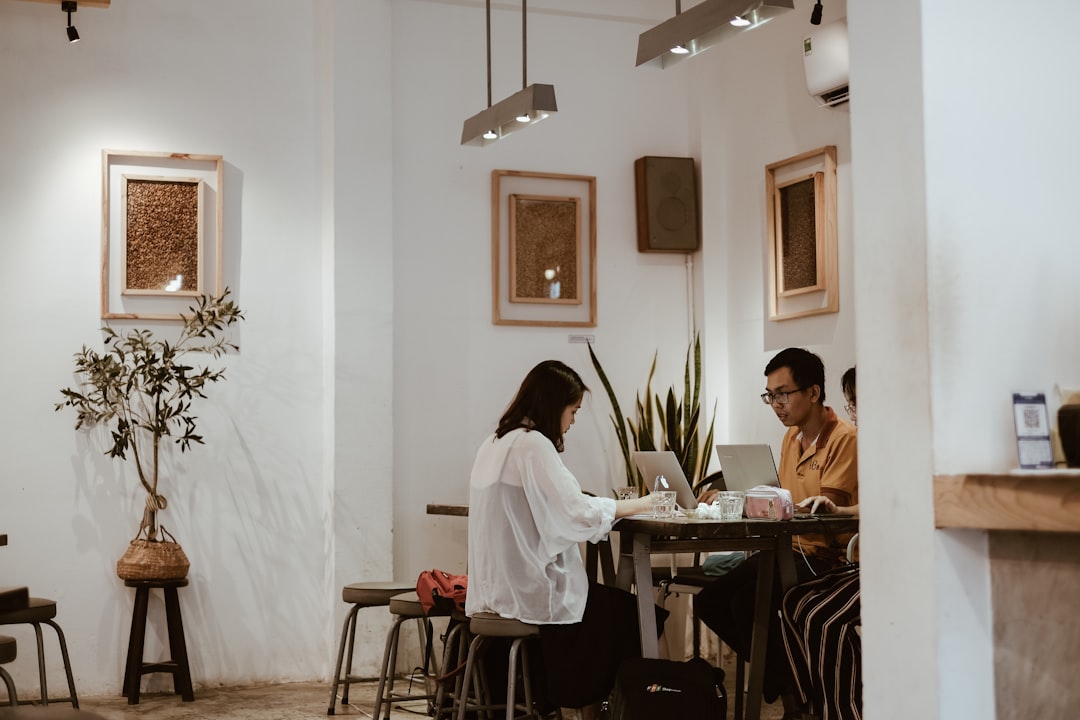
Why nomads love it: Vietnam is arguably the best value in all of Southeast Asia. The food alone is worth the move. Ho Chi Minh City and Da Nang have booming nomad scenes.
Best hubs: Ho Chi Minh City (energetic, cheap, great nightlife), Da Nang (beach city, growing fast), Hanoi (cultural, cooler weather, old-quarter charm)
Monthly cost: $800-$1,300 for a very comfortable life
Visa: Vietnam's e-visa is open to all nationalities and allows up to 90 days with multiple entries, applied for online for roughly $25-$50. Vietnam still has no dedicated digital nomad visa as of 2026. The one long-stay route that did launch is a 5-year special visa exemption card for skilled professionals (the "talent visa"), but it requires nomination by a Vietnamese institution and is aimed at senior academics, executives and artists — not general remote workers. The widely discussed "golden visa" has been proposed but not enacted. Working remotely for overseas clients on the e-visa remains a tolerated gray area, not an officially permitted activity.
Internet: Surprisingly fast. Vietnam ranks well in global internet speed indexes. Coworking spaces regularly hit 100+ Mbps.
Downsides: Motorbike traffic is chaotic (you will get used to it). Air quality in HCMC and Hanoi can be rough. Bureaucracy for longer stays gets complicated.
Indonesia (Bali)
Why nomads love it: Bali is the Instagram poster child for remote work, and honestly, it earns it. Canggu and Ubud are nomad magnets with world-class coworking spaces.
Best hubs: Canggu (surf culture, trendy cafes, young crowd), Ubud (rice terraces, yoga, quieter pace), Sanur (more local, fewer tourists)
Monthly cost: $1,200-$2,000 (Bali is pricier than mainland SEA)
Visa: This changed, and a lot of older guides still get it wrong. The B211A is not a digital nomad visa — it is a single-entry visit visa (60 days, extendable twice by 60 days), and working on it is not legal. Indonesia's actual remote-work permit is the E33G Remote Worker KITAS, launched in April 2024: valid 1 year and renewable up to 5, requiring an employment contract with a company registered outside Indonesia, foreign-sourced income of at least USD 60,000/year, a personal bank balance of at least USD 2,000 over the prior three months, and international health insurance (not travel insurance). Enforcement against remote work on visit visas tightened noticeably through 2026. The standard visa-on-arrival still gives 30 days, extendable to 60, for genuine short visits.
Internet: Good in coworking spaces (50-150 Mbps). Cafe and villa WiFi can be unreliable — always have a backup.
Downsides: Canggu traffic is genuinely terrible. Bali is more expensive than other SEA options. The "Bali bubble" can feel disconnected from real Indonesia.
Malaysia
Why nomads love it: Kuala Lumpur is an underrated powerhouse. English is widely spoken, infrastructure is modern, and the food scene is extraordinary.
Best hubs: Kuala Lumpur (affordable city with everything), Penang (food capital, colonial charm, island vibes), Langkawi (duty-free island, quieter)
Monthly cost: $1,000-$1,600
Visa: The DE Rantau Nomad Pass is valid for up to two years and is open to both tech and, since a 2024 expansion, non-tech roles — founders, CEOs, COOs, tax accountants, legal counsel, technical writers, business development and PR professionals among them. MDEC's own expansion notice sets the threshold for those non-IT/non-digital professions at USD 60,000/year (USD 5,000/month); the digital/IT tier is lower — commonly reported at around USD 24,000/year, though MDEC does not publish that figure in the same notice, so confirm it on the official portal before you count on it. Tourist visas give 90 days visa-free for many nationalities.
Internet: Excellent. KL has fiber infrastructure and coworking speeds are fast.
Downsides: Less "exotic" feeling than Thailand or Bali. Nightlife is more limited (Muslim-majority country). The weather is hot and humid year-round with little seasonal variation.
Cambodia
Why nomads love it: Phnom Penh and Siem Reap offer rock-bottom costs and a laid-back pace. Cambodia is where budget-conscious nomads stretch their money furthest.
Best hubs: Phnom Penh (riverside cafes, growing coworking scene), Siem Reap (temples, small-town feel, cheap)
Monthly cost: $700-$1,100
Visa: The E-class (ordinary/business) visa is issued for 30 days and then extended inside Cambodia for 1, 3, 6 or 12 months, renewably — a 12-month extension runs roughly $285-$320. Entry is genuinely easy, but there is a catch newer than most guides: Cambodia now expects foreign nationals working in-country — freelancers and digital nomads included — to hold a valid work permit, registering as self-employed through the Foreign Workforce Centralized Management System (FWCMS). Budget for that step rather than assuming the visa alone covers you.
Internet: The weakest link in Cambodia. Speeds are improving but still lag behind Thailand and Vietnam. Coworking spaces are your best bet.
Downsides: Infrastructure is less developed. Healthcare is limited outside Phnom Penh. The hot season (March-May) is intense.
Visas and Legal Considerations
Verified September 2026. Visa rules across Southeast Asia changed substantially in 2024-26 — several programs named in older guides no longer exist in the form described. Figures below reflect the terms published as of September 2026; always confirm on the official immigration or embassy portal before you book, because thresholds and document requirements move without much notice.
The remote work visa Thailand Vietnam situation — and across SEA generally — is still evolving. Here is what you need to know:
Digital nomad visas are expanding. Thailand (DTV), Indonesia (E33G Remote Worker KITAS — not the B211A, which older guides still wrongly call a nomad visa), Malaysia (DE Rantau) and now the Philippines all offer legitimate pathways for remote workers. Each requires proof of income or employment, and the income bars differ enormously — from roughly USD 24,000/year at the low end to USD 60,000/year for Indonesia's E33G and Malaysia's non-tech tier. For a side-by-side comparison across the region and beyond, see our digital nomad visa tracker and our roundup of the best digital nomad visa countries.
The Philippines joined the list. Executive Order 86, signed in April 2025, created a Philippine digital nomad visa that launched as a pilot in June 2025 and is now processed through the e-visa portal. It allows up to two years (one year, renewable once) and asks for proof of income widely reported at around USD 24,000/year, though the government has not formally confirmed the threshold. Two catches worth knowing before you plan around it: eligibility is limited to nationals of countries that offer Filipinos a comparable visa and where the Philippines maintains a Foreign Service Post, and no definitive country list has been published — and EO 86 contains no tax exemption, despite what some coverage implies.
Tourist visa "gray area" is shrinking. Working remotely on a tourist visa is technically not legal in most countries, and the 2024-26 wave of dedicated permits has made "there was no legal option" a much weaker excuse than it used to be. Enforcement is still light for laptop workers, but the trend is firmly toward formalization — take the permit when one exists. We cover the risk in detail in can you legally work remotely on a tourist visa?
Visa runs are still common. Many nomads cross a border and re-enter to reset their visa clock. This works but is getting less reliable as immigration tightens. Do not build your entire plan around it.
Tax implications matter. Most SEA countries will not tax your foreign-sourced remote income, but your home country probably still will. Talk to a tax professional who understands expat situations — this is not the place to wing it.
Tip: Before you go, brush up on the essential digital nomad skills that will make you more employable and location-independent.
Internet and Connectivity
Reliable internet is non-negotiable for remote work. Here is the honest breakdown:
Coworking spaces are your safest bet everywhere. Expect 50-200 Mbps, backup generators, and air conditioning. Monthly memberships run $50-$150 in most cities.
Cafe WiFi is a gamble. Some cafes have fiber-fast connections, others have spotty shared networks. Always speed-test before committing to a work session. Many popular nomad cafes now charge a minimum spend or hourly rate.
Home internet quality depends on your building and neighborhood. In major cities (Bangkok, KL, HCMC), fiber connections with 100+ Mbps are common and cheap ($15-$30/month). In smaller towns, expect 20-50 Mbps.
Mobile data as backup is essential. This is where having the right setup saves you. Airalo is a game-changer for digital nomads — their eSIM plans let you get connected the moment you land, without hunting for a local SIM card at the airport. You can buy regional plans that cover multiple SEA countries, which is perfect if you are country-hopping. Having reliable mobile data as a hotspot backup has saved more than one important video call.
Tip: Always have two internet sources available. Coworking WiFi as primary, mobile hotspot as backup. If your livelihood depends on connectivity, do not rely on a single point of failure.
Budget Breakdown: What It Actually Costs
Here is a realistic monthly budget for the cost of living digital nomad SEA lifestyle, based on a comfortable (not luxury, not backpacker) standard:
Expense | Budget Range |
|---|---|
Accommodation (private studio/1BR) | $400-$800 |
Food (mix of local + some Western) | $200-$400 |
Coworking space | $50-$150 |
Transport (scooter rental or Grab) | $50-$100 |
Mobile data / eSIM | $15-$30 |
Health insurance | $75-$150 |
Entertainment + weekend trips | $150-$300 |
Total | $940-$1,930 |
The range varies wildly based on your choices. Bali and Bangkok sit at the higher end. Vietnam and Cambodia sit at the lower end. Chiang Mai and KL land in the sweet spot of affordable-but-comfortable.
The key insight: Your biggest expense is accommodation. Book monthly to get steep discounts over nightly rates. Facebook groups for each city usually have the best apartment listings.
Getting There Affordably
Flights to Southeast Asia do not have to wreck your budget. The trick is flexibility and timing.
Book 2-3 months in advance for the best fares on long-haul flights. Shoulder seasons (May-June, September-October) typically have the cheapest tickets.
Use flight deal services. Going monitors fares and alerts you when prices drop on routes you care about; the service advertises savings of up to 90% on flights, though what you actually save depends entirely on which deals happen to line up with your dates. Set up alerts for flights to Bangkok, Kuala Lumpur, or Ho Chi Minh City as your entry points, then use budget airlines to hop around the region.
Budget airlines within SEA are absurdly cheap. AirAsia, VietJet, and Lion Air regularly offer flights between countries for $30-$80. Once you are in the region, getting around is pocket change.
Tip: Fly into whichever city has the cheapest fare, not necessarily your final destination. A flight to KL might be $300 cheaper than a flight to Bali — and a connecting AirAsia flight costs $50.
Practical Tips for the Transition
Health Insurance
Do not skip this. Standard travel insurance rarely covers remote workers adequately. Look into policies designed for digital nomads — SafetyWing and World Nomads are popular options that cover you across multiple countries.
Time Zones
SEA is UTC+7 (Thailand, Vietnam, Cambodia) to UTC+8 (Malaysia, Singapore, Bali). If you work with US teams, expect some early morning or late night calls. Negotiate async communication wherever possible. Many remote companies are fully async now, which makes SEA time zones a non-issue.
Community and Loneliness
The nomad community in SEA is one of its strongest features. Join coworking spaces for built-in social circles. Use Meetup, Facebook groups, and Nomad List forums to find your people. Attend local events — most major hubs have weekly nomad meetups, skill-sharing sessions, and social nights.
If you are looking for specific remote roles to fund your SEA adventure, explore remote customer service roles — they are often timezone-flexible and do not require specialized technical skills.
Banking and Money
Wise (formerly TransferWise) is practically mandatory for nomads. Low-fee international transfers, multi-currency accounts, and a debit card that works everywhere. Most SEA countries are increasingly cashless (especially Malaysia and Thailand), but always carry some local currency.
What to Pack
Less than you think. SEA is warm, casual, and you can buy almost anything you need locally for cheap. Prioritize: a good laptop, noise-canceling headphones, a universal power adapter, and a lightweight rain jacket. That is genuinely 80% of what matters.
Your Next Step
Here is the honest truth: the hardest part of working remotely from Southeast Asia is not the logistics, the visas, or the WiFi. It is making the decision to actually go.
Start small. Pick one city — Chiang Mai, Da Nang, or KL — and book a one-month trial. Get a coworking membership, rent a studio apartment, and give yourself 30 days to see if the lifestyle fits. Most people who try it never go back to their old setup.
If you do not yet have a remote income stream, start building one now. Browse the current remote opportunities on our job board to see what is hiring right now, and use our digital nomad packing checklist when you are ready to book.
The best countries for remote work in Asia are waiting. Your laptop works just as well in a Chiang Mai cafe as it does in your living room — but the pad thai is better, the rent is cheaper, and the weekend plans are a lot more interesting.
Frequently Asked Questions
How much does it cost to live as a digital nomad in Southeast Asia?
What visa do I need to work remotely from Thailand?
Is the internet reliable for remote work in Southeast Asia?
Which Southeast Asian countries are best for digital nomads?
What are the time zone advantages of working from Southeast Asia?
You Might Also Like

Travel + Remote Work Briefing — October 12, 2026

Travel + Remote-Work Briefing — October 11, 2026

Travel + Remote-Work Briefing — October 10, 2026