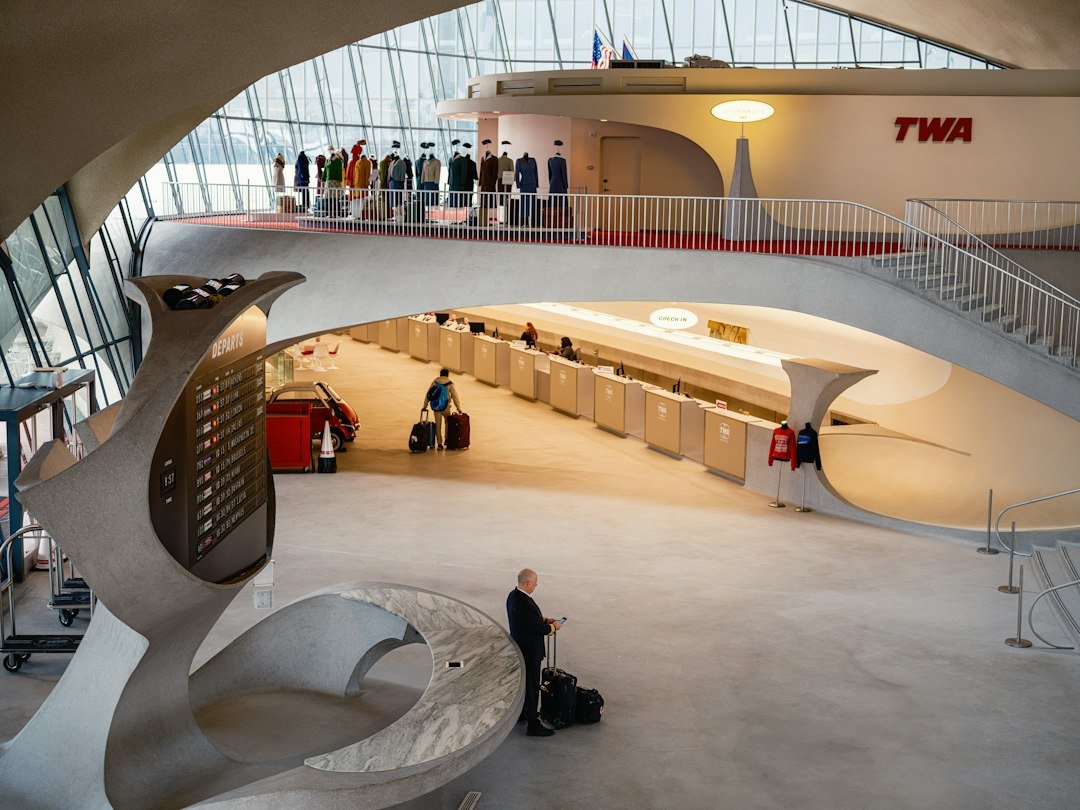
World Cup lifts host-city bars and hotels amid a cautious consumer

The Federal Reserve's July 2026 Beige Book, released Tuesday, found World Cup visitors delivered a meaningful lift to bars, restaurants, and hotels in host cities even as the broader U.S. consumer pulled back. The report noted "tourism was up, with some Districts receiving a boost from World Cup visitors," while consumer spending nationwide only "edged up" as elevated fuel prices dampened spending elsewhere. The Fed also flagged that "several Districts noted declines in spending on discretionary items or trading down to more affordable varieties" — a signal that the World Cup boost is concentrated rather than broad.
The Boston Fed district report noted that Boston bars experienced "a marked uptick in beer sales, which they attributed to the World Cup," while hotel bookings "were initially below expectations but rose to meet them after room rates were reduced to seasonally typical levels." That dynamic — discount to fill, then benefit from tournament foot traffic — played out differently across the 16 host cities spanning the United States, Canada, and Mexico.
Bank of America Institute data covering the full group stage (June 10–28) found overall spending in host cities up 5.4% year over year, with non-local visitor spending up 17.4% — showing visitors added genuinely new spending rather than substituting for locals, per figures also cited by Newsweek. By the knockout rounds, International Business Times reported hotel revenue per available room climbed 23% in the week of June 28–July 4, with Kansas City posting nearly a 50% jump — the strongest among host markets. Restaurants and bars were "seeing some of the strongest gains" as fans turned match screenings into social events.
What this means for remote workers and nomads
If you are already based in a World Cup host city for the tournament's final stretch, the data suggests local hospitality is still running hot — which matters both for your social calendar and your budget. The knockout-round surge in hotel pricing that drove up revenue per room also means accommodation costs are near their peak for the tournament window. The World Cup final is set for July 19, and prices historically reset quickly once the tournament closes.
For nomads considering a post-tournament move into a host city, the post-final window is worth watching. Cities like Kansas City and Boston drew sustained hospitality demand through the knockout rounds, but once the crowds clear, hotel rates normalize quickly and the restaurant scene remains active — making them practical short-term bases without the price premium. Our digital nomad starter kit guide covers the gear and connectivity essentials for making any new city work as a base.
The broader Fed signal — consumers trading down and reacting to fuel prices — is the backdrop nomads should weigh against the tournament buzz. The World Cup lifted specific pockets of the service economy, but it has not changed an underlying cautious consumer picture. That caution may translate into better deals at local venues once the final whistle blows on July 19.
Sources
Beige Book — July 2026 National Summary — Federal Reserve, accessed July 15, 2026
Beige Book — July 2026 Boston District — Federal Reserve Bank of Boston, accessed July 15, 2026
The World Cup Consumer Is Finding the Back of the Net — Bank of America Institute, accessed July 15, 2026
The World Cup's Biggest Spending Boom Didn't Happen at Kickoff. It's Happening Now — International Business Times, accessed July 15, 2026
US host cities bucking trend of underwhelming World Cup boost — Newsweek, accessed July 15, 2026
You Might Also Like
Travel + Remote Work Briefing — October 15, 2026

Travel + Remote Work Briefing — October 14, 2026

Travel + Remote Work Briefing — October 13, 2026