Bulgaria's New Nomad Visa: The EU's Cheapest Entry Point
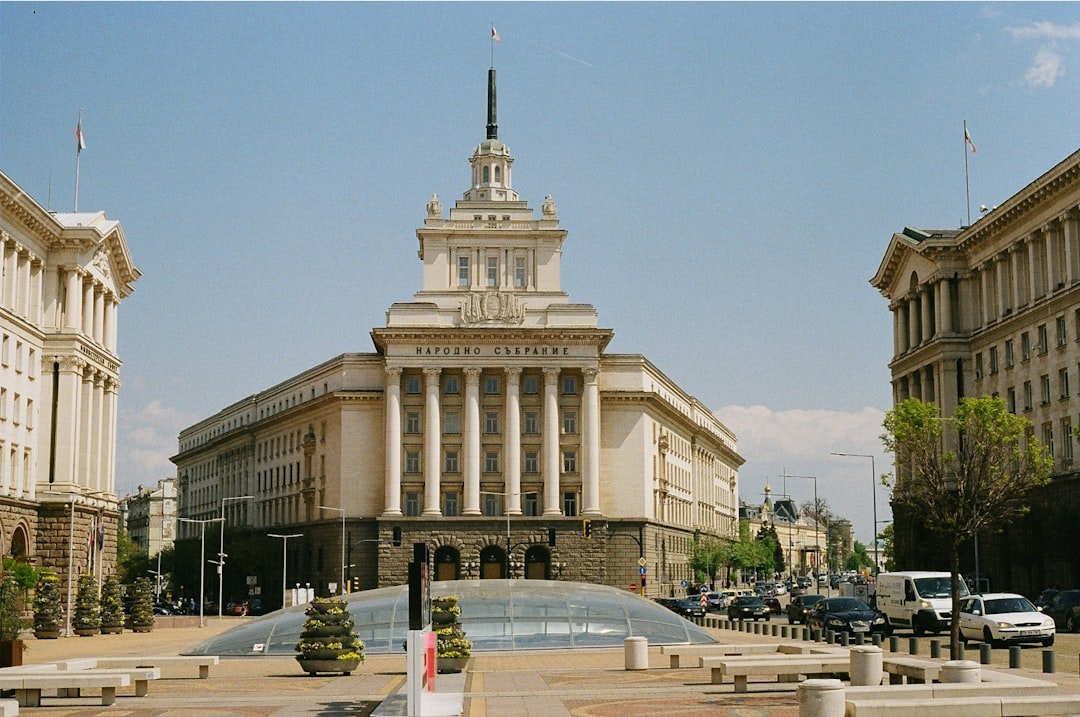
Bulgaria opened applications for a digital nomad residence permit in late 2025, making it one of the newest — and by income threshold, one of the most affordable — EU countries to formally welcome location-independent workers. The program targets non-EU remote employees and freelancers whose income comes entirely from clients or employers registered outside the European Union.
The income requirement is set at at least 50 times Bulgaria's monthly minimum wage. With the minimum wage at €620 per month, that works out to at least €31,000 per year, according to Euronews. The figure is tied to the national minimum wage and will adjust with it. The permit runs for one year, renewable for a second, provided applicants continue to meet the conditions.
The full requirements list includes non-EU/EEA citizenship, a clean criminal record, proof of accommodation, and health insurance valid across Bulgaria and the Schengen/EU area. Foreign documents must be translated into Bulgarian with apostille certification. Applicants first obtain a Type D long-stay visa at a Bulgarian embassy — a process that typically takes four to eight weeks — then file for the in-country residence permit within 14 days of arrival.
Bulgaria vs. the Western European alternatives
Portugal's D8 digital nomad visa currently requires a minimum monthly income of €3,680 — roughly €44,160 per year — according to Global Citizen Solutions. Spain's equivalent sits at around €2,850 per month, per Citizen Remote. Bulgaria's annual floor is meaningfully lower than both. Cost of living amplifies the difference: rent in Sofia runs roughly 58% below Paris levels, according to Travel Off Path.
Bulgaria adopted the euro and joined the Schengen Zone in 2025, which adds genuine strategic value. Permit holders gain a legal EU residency address and can travel within Schengen under standard 90-in-180-day short-stay rules. Bulgaria also applies a flat 10% income tax rate for those who establish tax residency by spending at least 183 days per year in the country, according to Citizen Remote — one of the lowest rates in the EU. The overall timeline from embassy application to a valid residence permit runs beyond three months, so early planning matters.
What this means for remote workers and nomads
Bulgaria's visa addresses a real gap: for remote workers earning in the €31,000–€44,000 annual range, Portugal and Spain's income floors have been barriers. Bulgaria now offers a Schengen address, an EU residency status, and a low flat-tax environment at a threshold those earners can actually meet.
The practical limits are worth noting. The permit has a two-year maximum under the current framework and does not provide a direct path to permanent residency. Sofia, Plovdiv, and Bansko have growing remote-work communities, though nomad infrastructure is less developed than in Lisbon or Barcelona. For anyone already tracking their options, our digital nomad visa countries guide for 2026 maps the full European landscape. For those who qualify, Bulgaria now represents a legitimate and low-cost foothold inside the EU.
Sources
Bulgaria has launched a digital nomad visa. Here's who is eligible and how to apply — Euronews, accessed July 14, 2026
Bulgaria Digital Nomad Visa (2026): Requirements, Costs & How to Apply — Citizen Remote, accessed July 14, 2026
Portugal Digital Nomad Visa — Global Citizen Solutions, accessed July 14, 2026
This Cheap European Country Just Launched Its First Digital Nomad Visa — Travel Off Path, accessed July 14, 2026
Bulgaria's digital nomad visa (2026): the €31K income rule — Ulysse, accessed July 14, 2026
You Might Also Like
Travel + Remote Work Briefing — October 15, 2026

Travel + Remote Work Briefing — October 14, 2026

Travel + Remote Work Briefing — October 13, 2026