
Hotel Walk Rights Every Remote Worker Should Know
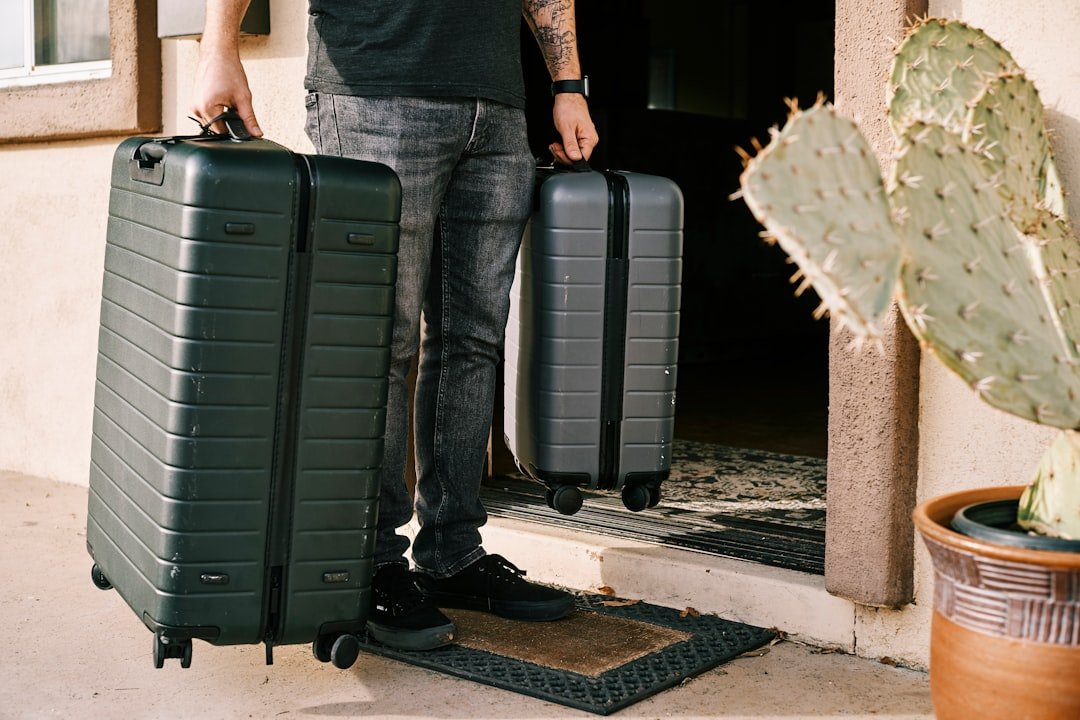
A hotel confirming your reservation does not guarantee you a room. When a property oversells inventory or closes unexpectedly, it can "walk" you — moving you to a different property — with little notice and no federal protection in the United States. For remote workers and nomads, that disruption costs more than a night's sleep: it wipes out a workspace, a stable Wi-Fi connection, and potentially a full workday.
The practice is more common than most travelers expect. According to reporting by The Points Guy, when a property can no longer host you it is responsible for refunding any prepaid reservation. Beyond that refund, walk compensation in the U.S. is voluntary industry practice rather than a legal requirement — a point both Rate Ranger and God Save the Points underscore. Natural disasters and emergency evacuations add a separate layer: in those situations, hotels must refund prepaid reservations, and comprehensive travel insurance can cover additional lodging, transportation, and meals — though coverage must be purchased before a storm is named or a disaster is declared.
When the disruption is an overbook rather than an emergency, the voluntary industry standard in the U.S. — not a legal mandate — is for the hotel to cover the first night at a comparable property and provide transportation to it, according to Rate Ranger's analysis of hotel overbooking rights. Brand loyalty programs go further. The Points Guy's walk-compensation guide details Marriott Bonvoy's tiered guarantee, which scales with both the property and your loyalty status: its top Elite members (Titanium and Ambassador) walked from a Ritz-Carlton or St. Regis can receive $200 cash and 140,000 points; the tier that includes Sheraton, JW Marriott and Westin carries a $200 and 90,000-point guarantee; budget-tier brands provide $100. Lower-status guests at the luxury properties are not guaranteed the same payout. Hyatt's policy covers a comparable hotel night, round-trip transportation, and a complimentary phone call, but applies only to direct bookings on hyatt.com. IHG covers the first night and transportation, but also limits the guarantee to direct bookings.
A critical caveat: God Save the Points notes that these guarantees are hotel-chain policies, not legally enforceable rights, and hotels frequently fail to honor them without pushback. Third-party bookings through Expedia or Hotels.com generally fall outside these protections entirely.
What this means for remote workers and nomads
A walk at 10 p.m. is an inconvenience for a leisure traveler. For a working nomad, it can mean missing a morning deadline, losing a booked meeting room, or spending hours offline while searching for a replacement with reliable internet.
Reviewing how these policies actually work, we find the biggest gap is preparation, not compensation. Booking direct — rather than through an OTA — is the single most effective step to stay inside a hotel's guarantee window. Adding your loyalty number at booking, reconfirming 24 to 48 hours before arrival, and arriving early on sold-out nights all reduce your walk risk. If you do get walked, request in writing that the hotel cover not just the first night but any additional expenses caused by the disruption, and negotiate before you leave the property — it is significantly harder to recover compensation remotely.
For nomads on extended stays, a backup plan belongs in every city playbook alongside your connectivity and insurance setup. Identifying one or two nearby hotels with reliable business-center amenities, or having a coworking day-pass option bookmarked, means a hotel walk becomes a minor reroute rather than a derailed workday. The compensation points and cash from a walk — if you're a loyalty member at the right brand — may even offset the cost of a coworking slot while you wait for your rebooking to resolve.
Sources
What to Do When Your Hotel Can No Longer Host You — The Points Guy, accessed 2026-07-14
Walked from a Hotel? Here's How Much Compensation You're Owed — The Points Guy, accessed 2026-07-14
Hotel Overbooking: What Happens When You Get Walked and What You're Owed — Rate Ranger, accessed 2026-07-14
Every Hotel Chain's Policy For A Cancelled Or "Walked" Reservation — God Save the Points, accessed 2026-07-14
You Might Also Like

Travel + Remote Work Briefing — October 15, 2026

Travel + Remote Work Briefing — October 14, 2026

Travel + Remote Work Briefing — October 13, 2026