New York City Digital Nomad Guide: Cost, Neighborhoods, WiFi
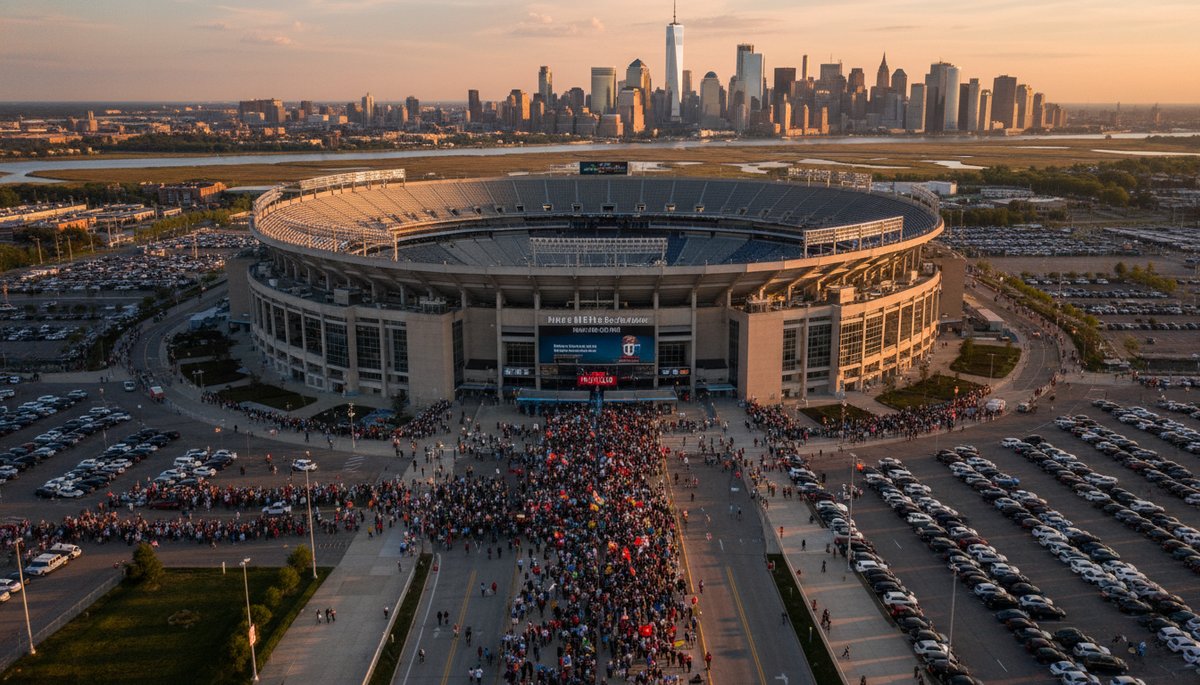
New York City is one of the most connected, culturally dense, and expensive cities a remote worker can choose as a base. If you can make the budget work, the payoff is unmatched coworking density, direct flights to nearly everywhere, and a work culture that never really slows down. This New York City digital nomad guide covers what actually matters for basing here in 2026: getting in from JFK, LaGuardia, or Newark, which neighborhood fits your budget, what a realistic monthly cost of living looks like, where to work, how to stay connected, and the visa reality most remote-work guides skip.
Quick Answer: New York City is a strong digital-nomad base for well-paid remote workers who want coworking density, culture, and flight connectivity — but it's one of the most expensive cities in North America, so budget nomads will find it tight. Manhattan is the priciest, most central option; Brooklyn (Williamsburg, Bushwick) and Jersey City across the Hudson via PATH train offer real savings on a short commute. There's no US digital nomad visa — most visitors work remotely in a legal gray area on ESTA or a B-1/B-2 visitor visa, so confirm the current rules before committing to a long stay.
Disclosure: This post contains affiliate links. If you make a purchase through these links, we may earn a small commission at no extra cost to you. We only recommend products we genuinely believe in.
Is New York City Good for Digital Nomads?
Yes, with a big asterisk on cost. NYC gives remote workers a coworking scene, industry density, and flight network that few other cities in the world match — but you'll pay some of the highest rent and everyday prices in the country for it.
What works:
- One of the world's largest coworking markets, from budget hot desks to premium creative spaces
- Three international airports (JFK, LaGuardia, Newark) with direct flights to nearly every continent
- The subway runs 24/7, so you're never stuck without a way home
- A dense professional network across nearly every industry, useful if you freelance or consult
What to weigh:
- Housing and food costs are consistently among the highest in North America
- There's no US digital nomad visa — see the visa section below before you plan a long stay
- Summers get hot and humid; winters get genuinely cold
- It's a fast, competitive city that can feel like a grind if you're here to slow down, not speed up
How Do I Get Into NYC From JFK, LaGuardia, or Newark?
New York's metro area is served by three airports, and picking the right one can save you real time and money. Newark has the most direct rail connection; JFK is the busiest international gateway; LaGuardia has no direct train at all.
| Airport | Distance to Midtown | Best transit option | Approx. cost/time |
|---|---|---|---|
| Newark (EWR), NJ | ~16 miles | NJ Transit rail to Penn Station (AirTrain fee included in the ticket) | ~$17.25, ~30 min |
| JFK, Queens | ~15 miles | AirTrain ($8.75) + subway ($3.00) | ~$11.75 total, 50-75 min |
| LaGuardia (LGA), Queens | ~8 miles | Free Q70 LaGuardia Link bus to the subway (no direct rail) | Cost of a single subway ride, 45-60 min |
A few practical notes: buy your NJ Transit or AirTrain ticket through the official app or a station kiosk rather than on board, since on-board purchases carry a surcharge. LaGuardia's Q70 bus is free and drops you at the Jackson Heights-Roosevelt Avenue subway station, where you can pick up the 7, E, F, M, or R trains into Manhattan; the M60 bus is the only route that runs directly from LGA into upper Manhattan without a transfer. Fares are subject to periodic increases, so treat these as an as-of-2026 planning range and check current MTA/NJ Transit fares before you fly.
Where Should Digital Nomads Stay — Manhattan, Brooklyn, or Jersey City?
The short answer: Manhattan for convenience and coworking access, Brooklyn for a lower cost with a strong creative-nomad community, and Jersey City for the best value-to-commute ratio.
- Manhattan (Midtown, Flatiron, NoMad) puts you within walking distance of the city's densest coworking cluster and most major sights, but it's also the most expensive part of the metro. This is the pick if convenience matters more than budget.
- Brooklyn (Williamsburg, Bushwick, Greenpoint) is the classic nomad compromise. Williamsburg and Greenpoint have become nearly as pricey as Manhattan over the past decade, while Bushwick still offers more affordable rooms alongside a genuinely strong artist and freelancer scene — with a 20-30 minute subway ride into Midtown via the L, J, or M trains.
- Jersey City and Hoboken (New Jersey side) are often the best-value option: comparable coworking amenities to Manhattan at meaningfully lower prices, connected to Manhattan by both the PATH train and NJ Transit rail. The Grove Street/Journal Square corridor in particular has a growing cluster of coworking spaces built around the PATH commute.
How Do I Get Around New York City?
The subway is the backbone of getting around, running 24/7 across all five boroughs with tap-to-pay entry — no transit card required.
- MTA Subway — As of the January 2026 fare update, a single ride is $3.00. Tap a contactless bank card or phone (OMNY) directly at the turnstile, or use a physical fare card from a vending machine.
- PATH Train — Links Manhattan to New Jersey (World Trade Center, 14th St, 23rd St, 33rd St, Hoboken, Jersey City). Fares increased to $3.25 in 2026; the system is phasing out SmartLink cards and MetroCards in favor of a new TAPP contactless card, alongside standard tap-to-pay.
- Buses — Useful for cross-town routes the subway doesn't cover well, same fare as the subway.
- Walking — Manhattan and much of brownstone Brooklyn are genuinely walkable; you can cover a lot of ground on foot alone.
- Rideshare — Uber and Lyft are widely available, but note that Manhattan's congestion pricing zone (south of 60th Street) adds a per-trip surcharge to rideshare and taxi fares on top of the fare itself — budget a little extra if you're regularly crossing into lower Manhattan by car.
How Much Does It Cost to Live in NYC as a Digital Nomad?
Digital-nomad cost-of-living trackers put a realistic all-in monthly budget somewhere in the $4,000-$7,500 range as of 2026, and NYC consistently ranks as one of the most expensive nomad bases in North America. These are unofficial estimates from third-party cost calculators, not guaranteed prices — treat them as a planning range and verify current listings before you commit to a lease.
A rough monthly breakdown nomads report:
- Housing is by far the largest line item. A furnished room or studio in Brooklyn or Jersey City tends to undercut a comparable Manhattan listing by a wide margin — rental trackers put Bushwick's typical rents noticeably below Williamsburg's, which has become one of the pricier parts of Brooklyn.
- Coworking — hot-desk memberships at large operators commonly run in the low-to-mid hundreds of dollars a month, with premium boutique spaces costing more.
- Groceries and eating out vary widely by neighborhood and how much you cook versus eat out.
- Transit is comparatively cheap — a weekly unlimited MetroCard/OMNY cap keeps subway costs predictable even with daily use.
If NYC's price tag is more than your budget allows, it's worth comparing it against a lower-cost US base — see our Miami digital nomad guide for a warmer, less expensive alternative with its own strong remote-work scene.
What Are the Best Coworking Spaces and WiFi Options in NYC?
NYC has one of the largest coworking markets in the world, from national chains to boutique neighborhood spaces, so availability is rarely the issue — cost and location are.
- WeWork has the broadest footprint, with locations across Midtown, the Financial District, SoHo, and Brooklyn; hot-desk memberships are the most accessible entry point for short-term nomads.
- Industrious and NeueHouse sit at the premium end, with dedicated desks and private offices aimed at established freelancers and small teams.
- Neighborhood and boutique spaces — smaller operators in Brooklyn (including spots in Industry City and along the Williamsburg waterfront) and in Jersey City's Grove Street/Journal Square corridor tend to be cheaper than Manhattan chains while still offering solid wifi and meeting rooms.
- Cafes can work in a pinch for a few hours, but NYC's cafe culture is less laptop-friendly than some nomad hubs — busy locations may limit table time during peak hours, so a coworking membership is the more reliable option if you're working full days.
How Do I Stay Connected — SIM Card or eSIM?
Get your data sorted before you land. A physical SIM requires an in-person stop at a carrier store, while an eSIM activates remotely on any unlocked phone the moment you land.
The Airalo USA & Mexico Unlimited eSIM (affiliate link — we may earn a commission at no extra cost to you) covers both countries on one plan, which is useful if your travels take you beyond New York into other US cities or across the border. Install it before you fly and it activates automatically on arrival — no swapping SIM cards mid-trip. For a broader comparison of eSIM options across the US, see our best eSIM for traveling the US guide.
Can I Legally Work Remotely in the US on a Tourist Visa?
This is the question most nomad guides gloss over, so here's the honest, hedged answer: the United States does not currently offer a dedicated digital nomad or remote-work visa. Most nomads enter under the Visa Waiver Program (ESTA, available to eligible passport holders for stays up to 90 days) or a B-1/B-2 visitor visa.
The important nuance: visa-free entry and visitor visas are generally intended for tourism or business meetings, not for performing paid work while physically in the country — even work performed remotely for a foreign employer and paid outside the US. Enforcement and interpretation of "productive work" varies, and immigration rules change. This is not legal advice — before planning any extended remote-work stay in the US, verify the current rules directly on the official CBP (Customs and Border Protection) and US State Department websites, and consult an immigration attorney if your situation is anything other than a short trip.
When Is the Best Time to Visit New York City?
Spring (April-June) and fall (September-November) are the best seasons for a nomad base — mild temperatures, fewer crowds than peak summer, and generally more comfortable working conditions than the height of summer humidity or winter cold. Fall in particular tends to bring consistently mild, dry weather that makes both outdoor breaks and daily commuting easier. Summers can get hot and humid, and winters bring genuinely cold stretches, so bookend your stay around the shoulder seasons if your schedule is flexible.
Is New York City Safe?
For a city its size, NYC is comparatively safe, and city crime data has trended toward multi-decade lows through the first half of 2026 — but like any major city, the real risks for visitors are petty theft and scams rather than violent crime.
The realistic precautions: keep valuables secured on the subway during rush hour (pickpocketing is the most common tourist complaint), be cautious of unsolicited "helpers" and ticket hawkers around Times Square, and use official rideshare apps or licensed yellow/green cabs rather than unmarked "gypsy cabs" at the airport. Tourist-heavy, well-lit neighborhoods like Midtown, Park Slope, Brooklyn Heights, and Williamsburg are generally comfortable to walk in the evening; as anywhere, use more caution late at night in less-trafficked areas you don't know yet. As with any destination, check current conditions and ask your accommodation host for neighborhood-specific advice when you arrive.
The Bottom Line
New York City rewards digital nomads who can afford it: unmatched coworking density, round-the-clock transit, and a professional network few cities can match. It's not the budget-friendly choice, and the visa reality means most stays should be treated as short-to-medium trips rather than an open-ended relocation. If the numbers work for you, Brooklyn or Jersey City are the smartest ways to get most of Manhattan's benefits at a real discount.
For the wider picture of basing yourself in a major US city as a remote worker, see our remote-worker guide to World Cup host cities or the complete US host-city travel guide for more destination comparisons.
Frequently Asked Questions
Is New York City good for digital nomads?
How much does it cost to live in NYC as a digital nomad?
Can I legally work remotely from the US on a tourist visa or ESTA?
Where should digital nomads stay in NYC — Manhattan, Brooklyn, or Jersey City?
What's the best time of year to visit New York City as a nomad?
You Might Also Like
Travel & Remote Work Briefing — September 22, 2026
Travel & Remote Work Briefing — September 21, 2026
Travel & Remote Work Briefing — September 20, 2026