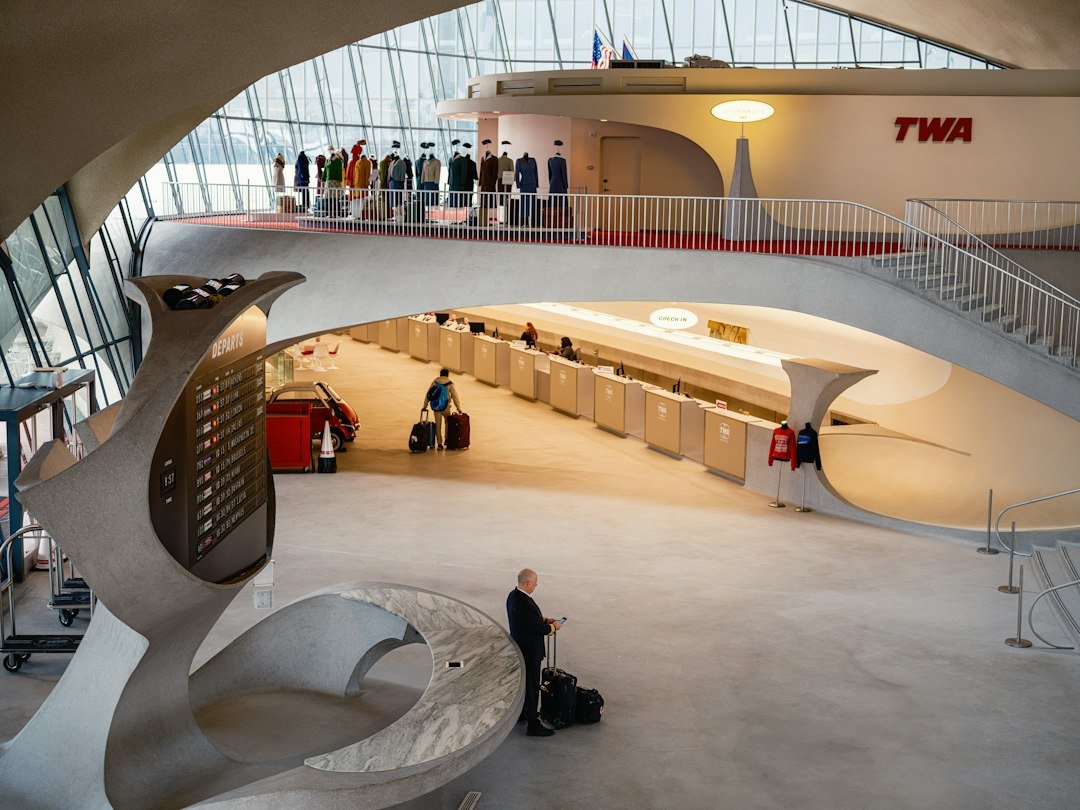
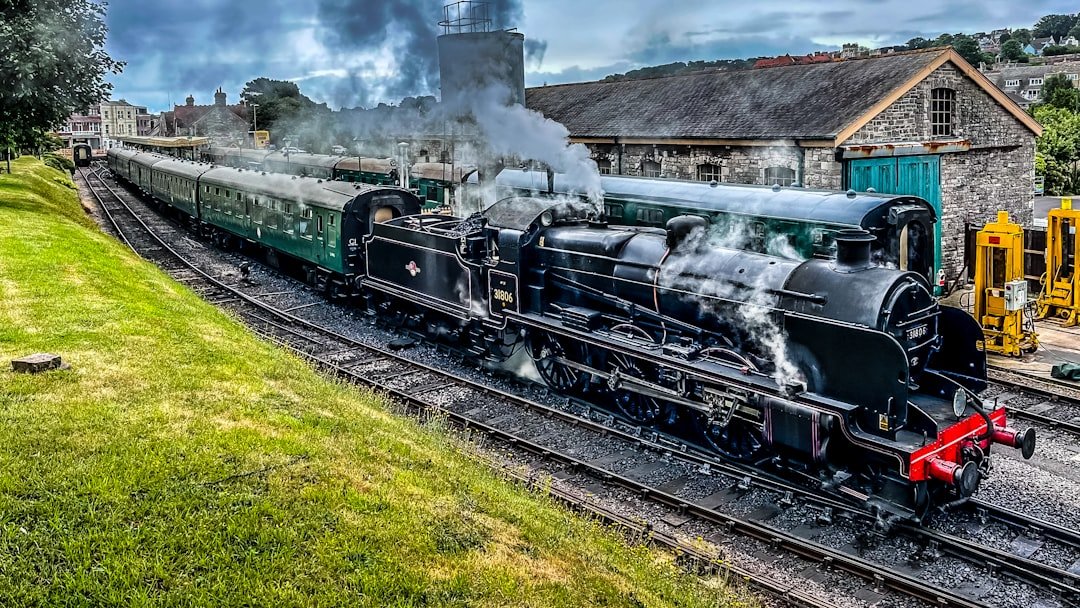
A Steam Locomotive Tour as a Workation Blueprint
Union Pacific's Big Boy No. 4014 — a 1941-built, 4-8-8-4 articulated steam locomotive billed as the world's largest operating steam engine — is midway through a coast-to-coast summer tour celebrating America's 250th anniversary. With more than 50 whistle-stops across 10 states and eight major public display events, the locomotive is drawing crowds to cities and crossroads towns that rarely appear on a remote worker's itinerary.
The eastern leg departed Cheyenne, Wyoming on May 25 and wraps up there on July 29, making it the first time Union Pacific press release notes the locomotive has operated east of Chicago. Several major stops remain: Fostoria, Ohio (public display July 14), St. Louis at Union Station (July 19, free admission), Kansas City (July 21-23), and Hays, Kansas (public viewing July 25), before the train heads west through Colorado. The full stop-by-stop timetable is published at Union Pacific's schedule page, which notes that timing is subject to change and the locomotive may run ahead of or behind schedule.
What makes the tour unusual from a travel-planning standpoint is its geography. Most of the 50-plus whistle-stops are small to mid-size towns — the kind that offer only a brief viewing window as the train passes through. For travelers passing through, those brief windows anchor a day. For someone working remotely, they can anchor an entire week.
What this means for remote workers and nomads
The Big Boy tour is a useful template for a travel style that gets talked about but rarely planned well: the moving-event workation. Instead of booking a destination and waiting for something to happen, you identify a seasonal draw — a locomotive tour, a festival circuit, a migration route — and build a slow-travel arc around it.
The mechanics matter more than the romance. A whistle-stop town that draws crowds only briefly may have a coffee shop with reasonable Wi-Fi, but it likely does not have a co-working space or a hotel with a business center. The larger display cities are a different story. Fostoria, Ohio, Scranton, Pennsylvania, and Kansas City all offer more established infrastructure for a multi-day stay. Scranton in particular held the Big Boy at Steamtown National Historic Site from mid-June through June 30, and the Lackawanna County area has lodging and transit options suited to a week-long base.
The broader principle for remote work travel planning is this: a moving event creates a ready-made itinerary spine. You pick two or three anchor stops, book accommodation a week in advance of the locomotive's arrival (before local hotel prices spike), work your regular schedule around the event days, and use the in-between days to explore towns that few itineraries include. The cheapest summer destinations for remote workers in the US interior — Fostoria, Hays, Kansas City's east side — often have low accommodation costs precisely because they sit off the standard travel circuit.
One caveat worth building into your plan: Railfan & Railroad Magazine confirms the schedule is managed by Union Pacific but operated over Norfolk Southern tracks on the eastern leg, which introduces timing variables outside UP's direct control. Check the live schedule page within 48 hours of any planned viewing stop. The locomotive will not wait.
Sources
Big Boy No. 4014 Tour Schedule — Union Pacific, accessed July 12, 2026
Union Pacific's Big Boy to Tour the Northeast — Union Pacific, accessed July 12, 2026
Union Pacific announces schedule for Big Boy's 2026 eastern tour over Norfolk Southern — Railfan & Railroad Magazine, accessed July 12, 2026
Big Boy No. 4014 Coast-to-Coast Tour Schedule — 4014 Coast to Coast, accessed July 12, 2026
Big Boy Reunion at Steamtown 2026 — National Park Service, accessed July 12, 2026
You Might Also Like
Travel + Remote Work Briefing — October 15, 2026
Travel + Remote Work Briefing — October 14, 2026
Travel + Remote Work Briefing — October 13, 2026