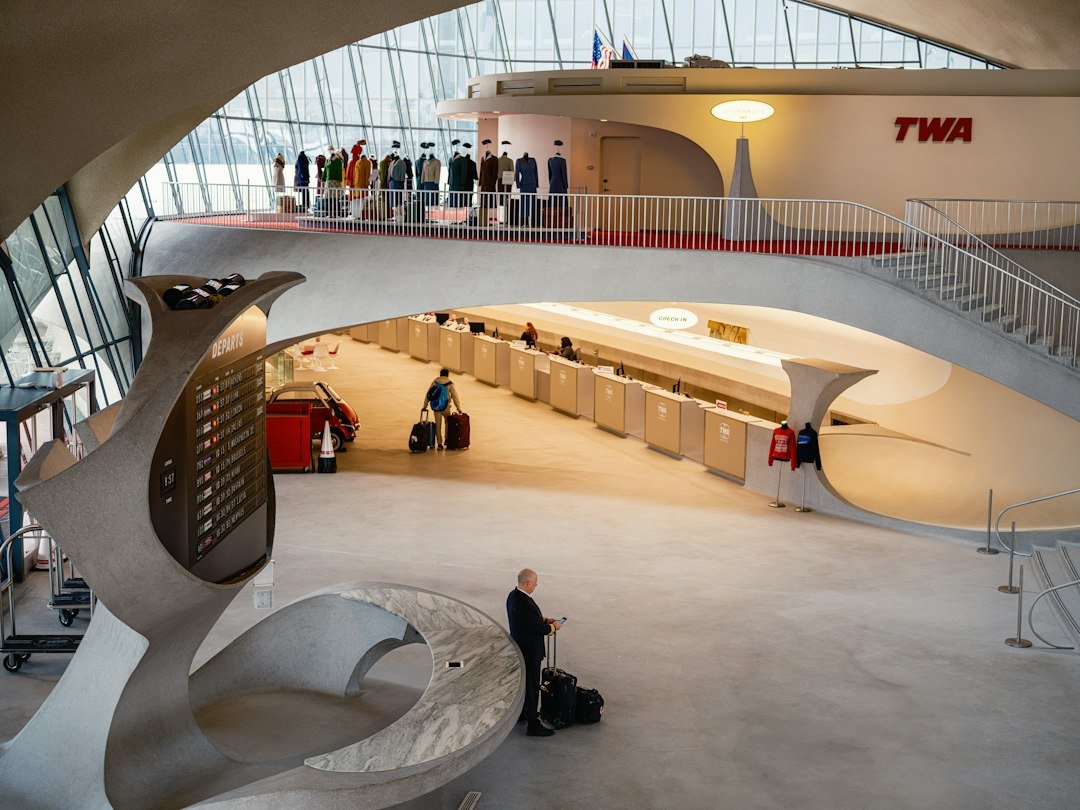
Global Entry tests walk-through cameras that clear you on the move
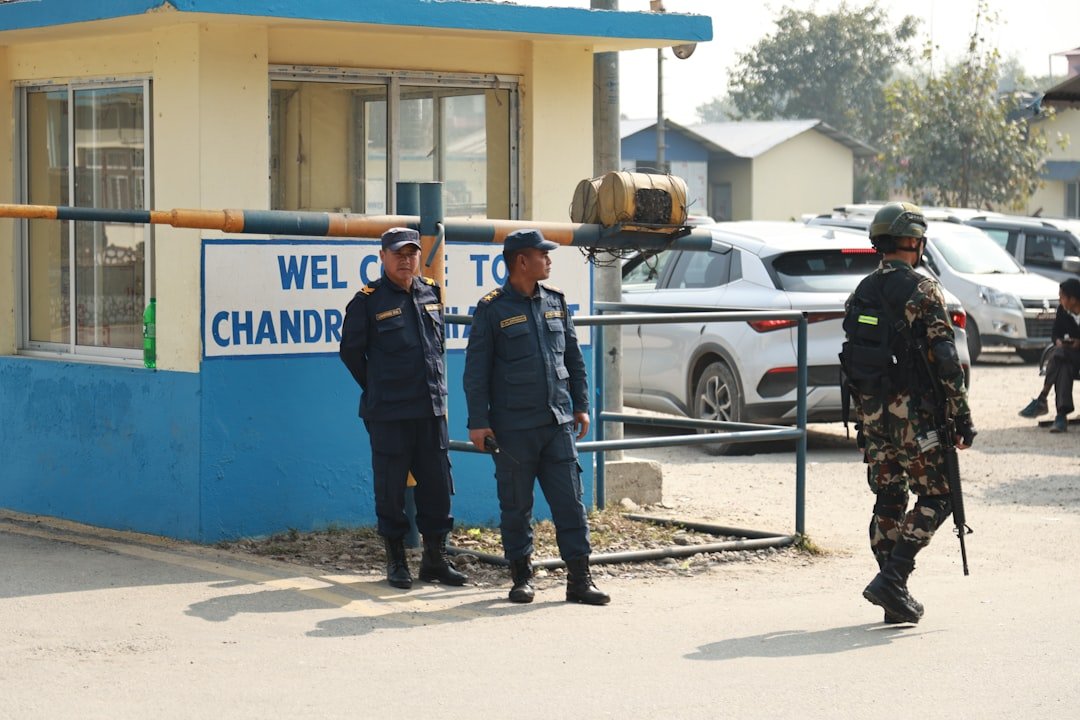
U.S. Customs and Border Protection is testing a version of Global Entry that lets travelers clear identity verification while they walk, eliminating the stop at a kiosk, according to reporting from The Points Guy published June 18. The trial is running at six major international airports: San Francisco (SFO), Boston Logan (BOS), Dallas Fort Worth (DFW), New York's John F. Kennedy (JFK), Philadelphia (PHL) and Seattle-Tacoma (SEA).
Instead of pausing at a screen to take a photo, enrolled travelers walk through a designated capture zone where mounted cameras confirm their identity, then briefly speak with a CBP officer before proceeding. The biometric photo comparison is the same approach used at today's kiosks — the shift is in timing, with the image captured during approach rather than at a stationary device.
The walk-through trial sits alongside a broader CBP push to speed up arrivals. Reporting from Travel Market Report describes two related programs the agency is expanding: Enhanced Passenger Processing, which uses facial recognition to match travelers to their travel documents and is available to all passengers regardless of Global Entry status, and Seamless Border Entry, which screens passengers during deplaning and requires Global Entry enrollment. CBP framed the technology around handling rising international traffic, including the travel surge expected over the next two years tied to the FIFA World Cup.
Crucially, participation is optional. The Points Guy notes that getting your photo taken — and using Global Entry more broadly — remains a choice for travelers uneasy about camera-capture technology. The program is still effectively a pilot, and it was not clear how long the trials would last.
What this means for remote workers and nomads
For anyone whose calendar runs on US re-entries — visa runs, client trips, returning from a workation — this is the next step in frictionless arrival. If you already cross through one of the six trial hubs on a regular cadence, walking the clearance zone rather than queuing at a kiosk could shave minutes off a leg of travel you repeat dozens of times a year. Those minutes compound, and they land at the most fatigued point of any long-haul return. The same skill of staying current on tools and systems that smooth a mobile career applies here, much like the evolving habits we've covered for nomads heading into 2026.
The trade-off is data. Walk-through capture means more frequent facial-recognition collection at the border, folded into your routine rather than tied to a single kiosk tap. Because participation is optional, travelers who would rather not opt into more biometric capture can decline and use a standard lane — a reminder that convenience at the border is, for now, still a choice you control. As with the gap between the marketing and the reality of long-term location independence, the smart move is to understand exactly what you're signing up for before you walk through.
Sources
"Global Entry trials new camera capture tech at 6 major airports" — The Points Guy. https://thepointsguy.com/news/global-entry-camera-capture-technology-trials/ (accessed 2026-06-19)
"CBP Rolls Out Enhanced Screening Tools to Speed Up U.S. Re-Entry for Travelers" — Travel Market Report. https://www.travelmarketreport.com/news/articles/cbp-rolls-out-enhanced-screening-tools-to-speed-up-u-s-re-entry-for-travelers (accessed 2026-06-19)
You Might Also Like
Travel + Remote Work Briefing — October 15, 2026

Travel + Remote Work Briefing — October 14, 2026
Travel + Remote Work Briefing — October 13, 2026