United Flight Returns to Gate at 3AM: When Pilot Duty Limits Override Schedules
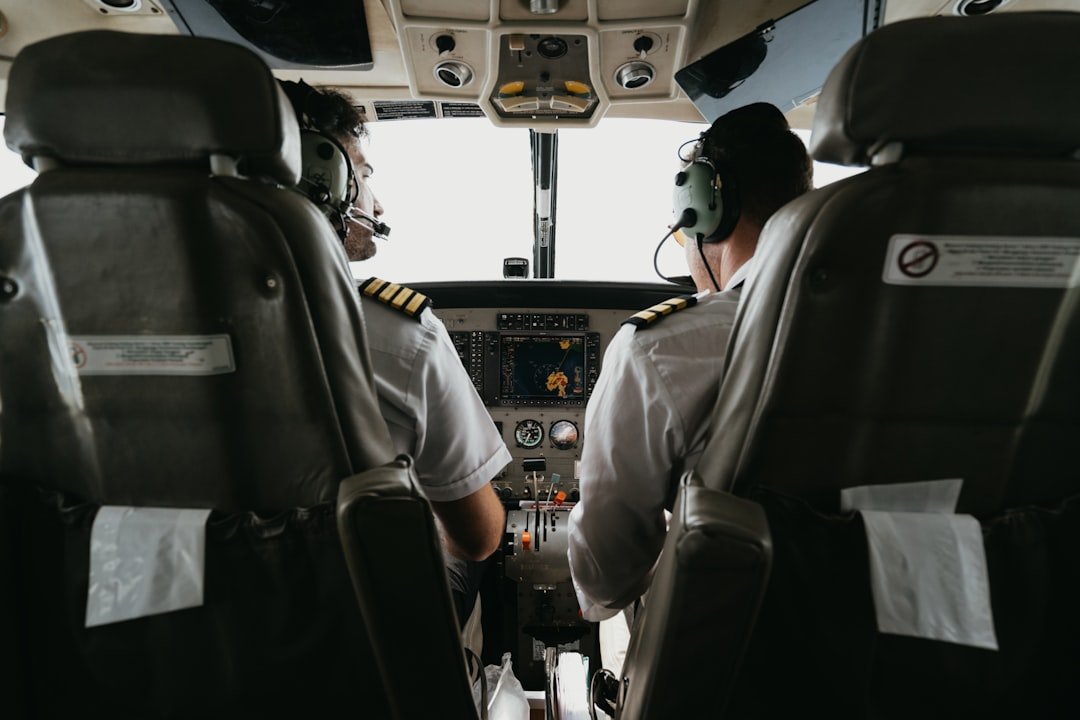
On the tarmac at Washington Dulles, United Airlines Flight 404 was nearly ready to push back to Newark when the captain made an unexpected announcement: the flight was returning to the gate. The time was three a.m. on June 15th. The reason? The pilot had reached his federally mandated duty-time limit—one minute before scheduled departure.
This wasn't a mechanical failure or weather delay. It was the law catching up with operations.
Federal Aviation Regulation 14 CFR Part 117 sets strict limits on how long commercial pilots can work in a single duty period. These limits exist for safety: fatigued pilots make mistakes, misjudge weather, miss critical instrument callouts. When a pilot exceeds them, the FAA doesn't allow takeoff, period. United Flight 404 had departed Houston at six-seventeen p.m. the evening before. By the time it diverted to Washington and taxied to the gate, the captain's duty clock had run out. Under FAA duty-time rules, domestic pilots are limited to ten hours of flight time and fourteen hours of duty in a single rest period—rules that override schedule pressure or passenger frustration.
According to reports from Simple Flying, the aircraft remained grounded for more than fourteen hours while United scrambled to arrange fresh crew. Passengers, including sports analysts Landon Donovan and Ian Darke, were stuck at the airport in the middle of the night with no emergency lodging offered by the airline. Some travelers slept in airport chairs; others rebooked on different carriers entirely. The flight finally departed at eight-ten a.m., arriving in Newark more than eleven hours late, a delay that rippled through the entire Northeast corridor and left connecting passengers racing to catch their own onward flights.
Airlines face a genuine operational constraint here: they cannot simply overwork their crews to maintain schedules, no matter how close to the gate they are. The rule exists because fatigue kills—pilot fatigue has been linked to hundreds of aviation accidents over the past four decades. But the constraint creates real operational ripples. Diverted flights are expensive to handle, burning fuel and tying up gates. Crew duty limits are tighter on international or cross-country routes, where flight times eat up the ten-hour window faster. And when one flight gets delayed, it cascades—the aircraft is out of position for its next leg, crew assignments slip backward by hours, and passengers on subsequent flights feel the impact. A single crew duty limit violation can trigger a chain reaction of cancellations across an airline's entire schedule.
What this means for remote workers and nomads
If you're building your travel schedule around tight connections or depending on a same-day turnaround to make your next flight, incidents like this show why buffers matter—and why they're structural, not just good luck. A tourist visa can cap your legal stay in most countries, which means your exit flight timing isn't flexible. If your visa expires on a specific date and your connection is a close one, a crew duty-time delay can push you past your legal stay window. When you're working remotely across Southeast Asia or planning a remote work stint in Jackson Hole, assume at least a two-hour buffer between connections, and three hours if you're transiting through a major US hub.
Airlines cannot override crew fatigue limits to rescue a tight schedule, and neither can you. Crew duty limits are non-negotiable—they protect everyone on the flight, including you. If your next destination has a fixed deadline (visa exit, project launch, visa appointment, work meeting), build in a full-day buffer on your international legs, not just the standard 90 minutes. And if you're already booked tight and a delay happens, you'll want to know your airline's rebooking policy and whether you're eligible for compensation. Fatigue regulations exist for a reason: they keep the plane safe. Plan your schedules with that reality front and center.
Sources
Simple Flying: "United Pilot Hits Duty Limit 1 Minute Before Takeoff, Stranding Passengers At 3 AM"
Federal Aviation Administration: "Flight and Duty Time Requirements"
You Might Also Like

Travel + Remote Work Briefing — October 15, 2026

Travel + Remote Work Briefing — October 14, 2026
Travel + Remote Work Briefing — October 13, 2026