Medellín Feria de las Flores 2026: Full Guide
Medellín Feria de las Flores 2026: Full Guide
Every August, Medellín transforms. Farmers descend from the mountains of Santa Elena carrying flower arrangements so large they eclipse the people beneath them. Streets fill with classic Jeep Willys, the sound of trova improvisation, and more than a million spectators. This is the Feria de las Flores, and the 2026 edition — running July 31 to August 9 — is the kind of event that makes you rearrange your entire travel calendar.
Whether you're flying in specifically for the Silleteros Parade or you're based in El Poblado for the month, this guide covers dates, events, neighborhoods, safety, weather, and how to work comfortably around the festival as a remote worker.
Quick Answer: The Medellín Feria de las Flores 2026 runs July 31–August 9, 2026. The headline event is the Desfile de Silleteros (69th edition) on Sunday, August 9, featuring 530+ flower-carrying farmers from the Santa Elena highland community. The festival is free or low-cost for most events, with more than 500 activities across the city. Stay in El Poblado or Laureles for the best traveler infrastructure.
Disclosure: This post contains affiliate links. If you make a purchase through these links, we may earn a small commission at no extra cost to you. We only recommend products we genuinely believe in.
When Is the Feria de las Flores 2026?
The 2026 Feria de las Flores runs from Friday, July 31 to Sunday, August 9, making it a 10-day festival. The official 2026 edition is the 69th Feria de las Flores overall; the Silleteros Parade component celebrates its 69th edition as a standalone tradition.
The festival opens with a concert on July 31 at the Obelisco sector, then builds through a sequence of parades, cultural competitions, and neighborhood events before peaking on the final Sunday.
What Is the Silleteros Parade?
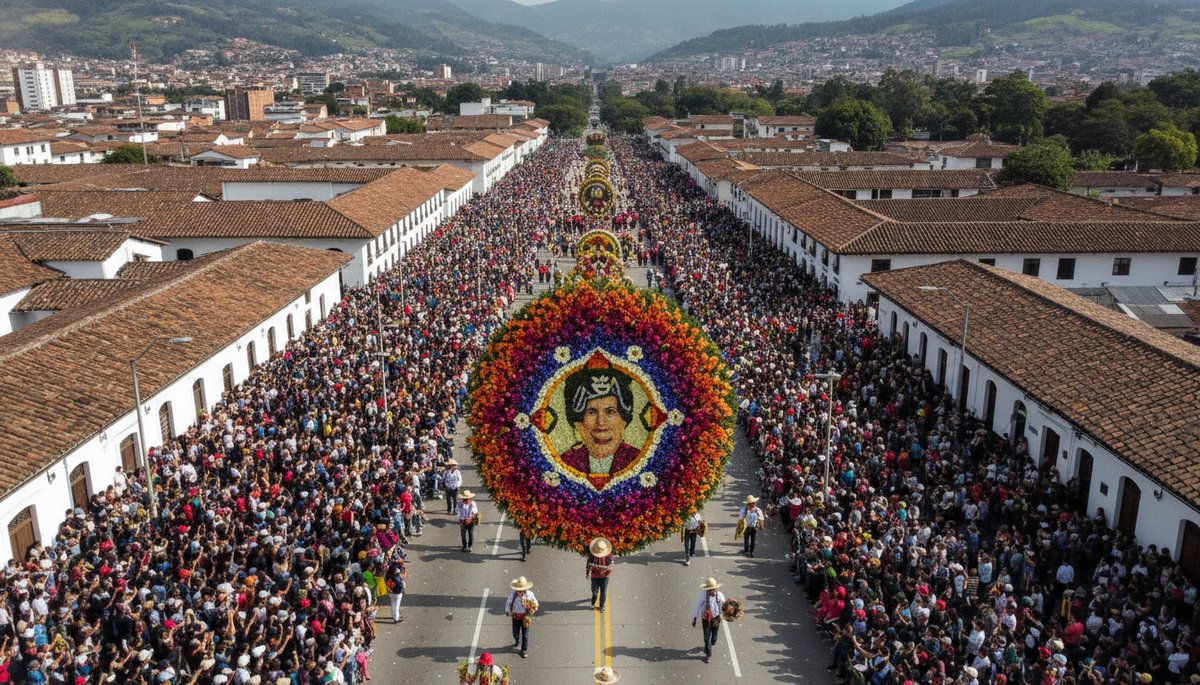
The Desfile de Silleteros is the emotional and visual centerpiece of the entire festival. Silleteros are farmers from the mountain community of Santa Elena, east of Medellín, who have been growing and selling flowers since the mid-20th century. The parade tradition began in 1957 when they were invited to carry their blooms through the city streets — not in baskets, but strapped to their backs in towering wooden frames called silletas.
Today, silletas are elaborate works of living art: symmetrical arrangements of anthuriums, carnations, orchids, and native Colombian blooms that can weigh upward of 60 kilograms and stand taller than the person carrying them. Categories compete for top honors — commercial silletas (sponsored designs), traditional arrangements, and narrative silletas that tell stories through flowers.
The 2026 Silleteros Parade takes place on Sunday, August 9 — the festival's closing day — and features more than 530 silleteros marching through the city. The official government designation refers to this as the 69th Desfile de Silleteros, and the silletera tradition holds national Intangible Cultural Heritage recognition from Colombia's Ministry of Culture.
Where to Watch the Silleteros Parade in Medellín?
The parade runs along Avenida El Poblado, the main artery that cuts through the heart of the El Poblado and Aguacatala districts. The route is long, which means you have multiple options for finding a good vantage point.
Arrive early. The parade typically begins mid-morning and the best spots along the route fill up by 8:00 a.m. Local families camp the curb the night before for the prime positions. For travelers, arriving by 7:30 a.m. and finding a spot on the upper stretch of the avenue — closer to the starting point — gives you a clear sightline before the crowds thicken.
Elevated options: Many restaurants and bars along Avenida El Poblado sell reserved balcony seating for the parade day. Prices vary widely and these sell out weeks in advance — ask your accommodation for local contacts or check Colombian event platforms like Tu Boleta.
Parade crowd safety: The route gets extremely dense with spectators. Keep your phone in a front pocket or bag worn across your chest, not hanging loosely. Express theft — phone snatches from the edge of crowds — is the most commonly reported issue for tourists on parade day. Stay aware of your surroundings and keep valuables minimal.
What Else Happens During the Feria de las Flores?
The Silleteros Parade is the headliner, but ten days is a lot of festival. The 2026 program includes more than 500 events, with around 70% of activities free to attend.
Desfile de Chivas y Flores (August 1): Medellín's iconic chiva buses — brightly painted open-sided vehicles — parade through the streets decorated with flowers. A colorful, loud, purely Colombian spectacle.
Avenida Primavera (August 2): A street fair and cultural corridor that takes over parts of the city for the day. A good low-key option if you want to soak in the festival atmosphere without the parade crowds.
Festival Nacional de la Trova (Trova Festival): Colombian trova is a form of improvised sung poetry, where two performers trade rhyming verses on themes called out by the audience. The 2026 grand finale takes place on Thursday, August 6 at Plaza Gardel, with semifinals in the first weekend of the festival. If you understand enough Spanish to follow the wordplay, this is genuinely one of the most entertaining things in Medellín during the Feria.
Desfile de Autos Clásicos y Antiguos (Classic Car Parade, around August 7): Vintage and antique cars roll through the city in an event that draws both car enthusiasts and spectators who turn out just for the spectacle. The El Colombiano and Telemedellín sources place this in the final days of the festival; verify the exact date closer to the event via medellin.gov.co.
Silleteritos Parade: A kid-led version of the Silleteros Parade where children from Santa Elena carry smaller silletas. The 2026 official government program places this on July 19 — before the main festival window — as a standalone opening event for the season.
Neighborhood concerts: Throughout the 10 days, free concerts run across barrios including El Poblado, Laureles, and the downtown Centro. The lineup covers vallenato, cumbia, salsa, and contemporary Colombian artists. Check the Alcaldía de Medellín's official programming calendar for the full schedule.
Which Medellín Neighborhood Should I Stay in for the Festival?
El Poblado is the default answer for most first-time visitors. It has the highest concentration of guesthouses, boutique hotels, Airbnbs, specialty coffee shops, and restaurants that cater to international travelers. The neighborhood is walkable, has ATMs on almost every block, and is close to the main parade route. Co-working spaces — including Selina and several independent venues along Calle 9 — mean you can keep working around the festivities without hunting for WiFi.
The trade-off: El Poblado fills fast during the Feria. Book accommodations at least six to eight weeks in advance for the August 7–9 weekend. Prices can double or more around parade weekend.
Laureles is the neighborhood most often recommended by long-stay nomads. It's quieter, more residential, and less touristy than El Poblado — which means lower prices, better coffee-to-crowds ratios, and a more authentic Medellín daily life. The neighborhood has good Metro access via the Estadio and Floresta stations. It's a slightly longer commute to the Silleteros Parade route, but very manageable by Metro or Uber.
Envigado, just south of El Poblado and accessible by Metro, offers a genuinely local experience with a tight cluster of good cafes and restaurants. It tends to have more accommodation availability during peak festival periods.
If you're already spending time in Colombia and looking for more context on the digital nomad scene in the country, our guide on living as a digital nomad in Colombia covers the full picture — neighborhoods, costs, visas, and infrastructure.
Is Medellín Safe During the Feria de las Flores?
Honest answer: Medellín during the Feria is manageable for travelers who take standard precautions, but this isn't a zero-risk city and the US State Department currently rates Colombia at Level 3: Reconsider Travel (as of March 2026), primarily due to crime, kidnapping risk in rural and border regions, and civil unrest.
For Medellín specifically, the risk profile differs from the national picture. The tourist districts — El Poblado, Laureles, Envigado, and the parade corridors — have a higher police presence during festival days. The risks that actually affect travelers here are:
Petty theft and phone snatching in dense crowds, particularly along the parade route and in Parque Lleras at night. Keep phones in inside pockets during parades.
Drink spiking: The Provenza area of El Poblado has a documented pattern of tourist-targeted drink spiking, particularly in nightlife settings. Accept drinks only from bar staff, not strangers.
Street taxis: Don't hail taxis from the street at any time of day. Use Uber or Cabify exclusively — both operate legally in Medellín and give you a digital record of your trip.
Nightlife awareness: Stick to well-lit, well-trafficked areas after dark. Ask your accommodation what to avoid — local staff know current conditions better than any travel advisory.
Check the current UK Foreign Office or US State Department advisories before you travel, and ask your hotel or hostel for any new guidance specific to festival days. These precautions are standard Medellín practice, not festival-specific paranoia.
What's the Weather Like in Medellín in August?
Medellín sits at roughly 1,500 meters above sea level in the Andes, which gives it the "City of Eternal Spring" reputation — temperatures hover between about 16°C and 28°C (61–82°F) year-round. August falls in the wetter of the city's two rainy seasons (roughly April–May and August–November).
In practice: expect mostly clear mornings, building cloud cover through the afternoon, and a heavy tropical shower most days between roughly 3 and 6 p.m. The rain typically passes quickly.
For parade days, this matters. The Silleteros Parade on August 9 runs in the morning — you're likely to have good conditions for the parade itself. Post-parade afternoon is where the downpours can hit. Pack a packable rain jacket; an umbrella is useful but gets unwieldy in dense crowds.
The humidity is moderate — high enough to feel warm, low enough that it's never oppressive. Most co-working spaces and hotels are air-conditioned, so working indoors during rain showers is genuinely comfortable.
Staying Connected During the Festival
Medellín has solid 4G LTE coverage across El Poblado, Laureles, and the parade routes, but roaming on a home-country SIM can turn expensive fast over a 10-day festival stay.
The easiest solution is an eSIM loaded before you fly. Airalo's Colombia eSIM lets you download a local data plan to your existing phone — no physical SIM swap, no hunting for a Claro or Tigo kiosk on arrival. Plans start from a few dollars for short stays, with larger data bundles available for a full week or month. (Affiliate link — I may earn a commission at no extra cost to you.)
Install it before you depart, activate on landing, and keep your home SIM live for calls and 2FA. During the parade, a local Colombian data plan will be more reliable in dense crowds than trying to connect on an international roaming plan.
For nomads heading to Colombia on a longer stay, it's also worth reviewing digital nomad visa options for 2026 — Colombia has one of the more accessible remote-work visa frameworks in Latin America.
For Remote Workers: Working Around the Festival
If you're based in El Poblado or Laureles during the Feria, the festival is entirely compatible with remote work — you just need to plan around the parade days.
August 9 (Silleteros Parade day): Plan for no serious work. Noise, foot traffic, and street closures make focused work from most El Poblado cafes nearly impossible. Wake up early, watch the parade, and call it a creative day.
Rest of the festival: Medellín's co-working infrastructure is strong and largely unaffected by the festival's evening and neighborhood concerts. Selina Medellín and a cluster of independent spaces in El Poblado and Laureles run normal hours. Many cafes known for remote work — Pergamino, Velvet, and others in El Poblado — stay open through the festival.
Pro tip: Book a co-working day pass or desk in advance for the parade week, especially for August 7–9. Spots fill with other nomads who had the same idea.
If you're thinking about Colombia as a long-term base, we've written about Cartagena's July 2026 festival calendar as well — Colombia has a full season of regional events worth building an itinerary around.
It's also worth having travel insurance that covers the region. SafetyWing's Nomad Insurance is widely used in the digital nomad community for Latin America coverage — it covers medical emergencies, trip interruption, and some theft, with subscription pricing that suits long-stay travelers. Check current plan details and pricing at safetywing.com.
Before You Go: Quick Logistics
Currency: Colombian pesos (COP). ATMs are widely available in El Poblado and Laureles. Visa and Mastercard are accepted at most restaurants, hotels, and larger stores. Keep a small amount of cash for street food and smaller vendors.
Getting around: Medellín's Metro system is clean, safe, and reliable — the main north-south line connects El Poblado (Poblado station) to the city center. Supplement with Uber and Cabify for trips not on the Metro route. Avoid street taxis entirely.
Language: Spanish is the language of daily life in Medellín. English is spoken at most tourist-facing businesses in El Poblado, but basic Spanish makes a significant difference everywhere else. If you want to pick up or improve your Spanish before the trip, Preply connects you with native Colombian Spanish tutors for online lessons — useful context before you're navigating trova lyrics and parade commentary.
Flights: Medellín is served by José María Córdova International Airport (MDE), about 35 km east of the city. For the Feria specifically, book August flights as early as possible — festival week is one of the highest-demand travel periods in Colombia. Direct connections from Miami, Bogotá, and Panama City are the most common routes for international travelers.
Tickets and events: Most of the 500+ Feria events are free or very low cost. The paid concerts and reserved parade seating book out weeks in advance. Monitor the official programming at medellin.gov.co/es/feria-de-flores for the full schedule as it's released.
The Feria de las Flores is one of those experiences that turns a trip to Colombia into a story you tell for years. The sight of a silletero carrying 60 kilograms of orchids and anthuriums on their back, moving through a city that stops to celebrate the people who grow its flowers — there's nothing quite like it in South America. Book early, stay flexible on August 9, and go.
Frequently Asked Questions
When is the Feria de las Flores 2026 in Medellín?
What is the Silleteros Parade in Medellín?
Is Medellín safe to visit during the Feria de las Flores?
Which neighborhood should I stay in for the Feria de las Flores?
What is the weather like in Medellín in August?
You Might Also Like

Travel + Remote Work Briefing — October 13, 2026
Travel + Remote Work Briefing — October 12, 2026

Travel + Remote-Work Briefing — October 11, 2026