
Heathrow Runway Costs Will Nudge Airfares Higher From 2028
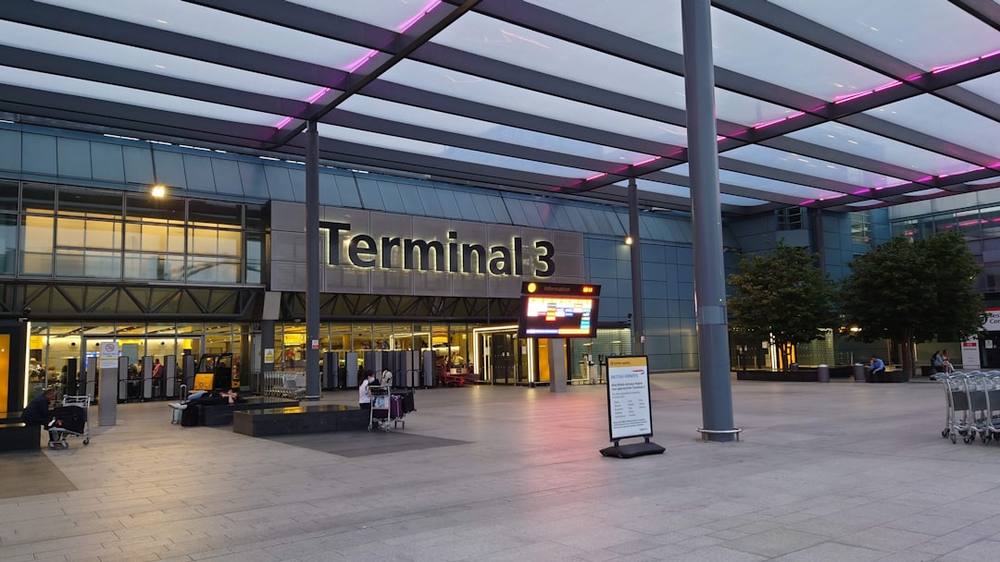
The UK's Civil Aviation Authority ruled on July 29, 2026, that Heathrow Airport can begin recovering early planning and design costs for its proposed third runway through higher airline charges — fees that are typically passed directly to passengers. The regulator capped the first tranche of recoverable costs at up to £320 million for work undertaken during 2025 and 2026.
The charges will not hit tickets immediately. The CAA's decision means that maximum airport charges per passenger are expected to rise by around 15 pence in 2028, climbing to an estimated 30 pence in the years following that. Those amounts will be spread across a recovery period the CAA estimates at 20 to 25 years, covering the early investment phase of a £33 billion expansion project that is targeting a runway opening in 2035. A rival shorter-runway proposal from Heathrow West will separately be allowed to recover £4.1 million in early costs.
Tim Johnson, consumers and markets director at the CAA, described the decision as striking a balance between keeping Heathrow's expansion on schedule and protecting passengers from unjustified cost increases, adding that recovered costs would be capped, independently scrutinised, and subject to efficiency reviews. The CAA said it will consult later in 2026 on how costs incurred from 2027 onward will be handled.
Airlines typically pass airport charges through to fares, so the regulatory fee does not show up as a separate line on tickets. The practical effect is a gradual upward pressure on base fares at already one of the most expensive airports in the world.
What this means for remote workers and nomads
For nomads routing through London — whether to reach continental Europe or to position for onward long-haul connections — Heathrow's cost trajectory is worth factoring into multi-year travel budgets, even if the immediate impact in 2028 is modest.
The headline per-ticket increase of around 15 pence is small in isolation, but it sits on top of Heathrow's existing high charge base at what airlines have flagged as one of the most expensive airports in the world. For nomads with routing flexibility, alternative UK entry points may remain cheaper choices as Heathrow's expansion costs begin feeding through from 2028.
The longer-term picture matters more: the £33 billion expansion program will generate further cost recovery decisions well beyond 2026, and the CAA's consultation on post-2027 costs means today's around-15-pence figure is a floor, not a ceiling, for what may eventually be passed to passengers. Nomads who transit Heathrow frequently and are building out a remote work budget for years of Europe-based travel would be wise to treat London routing costs as a variable trending upward rather than a fixed assumption.
Sources
- Heathrow charges to rise to recover early third-runway-expansion costs — Travel Weekly, accessed July 29, 2026
- Airlines face higher charges at Heathrow to pay for expansion plans — The National, accessed July 29, 2026
- Ticket prices set to rise by 15p as Heathrow able to recover runway project money — Yahoo Finance / PA Media, accessed July 29, 2026
You Might Also Like

Travel + Remote Work Briefing — October 24, 2026

Travel + Remote Work Briefing — October 22, 2026

Travel + Remote Work Briefing — October 21, 2026