
Okefenokee Swamp Earns UNESCO Status — A US Slow-Travel Gem
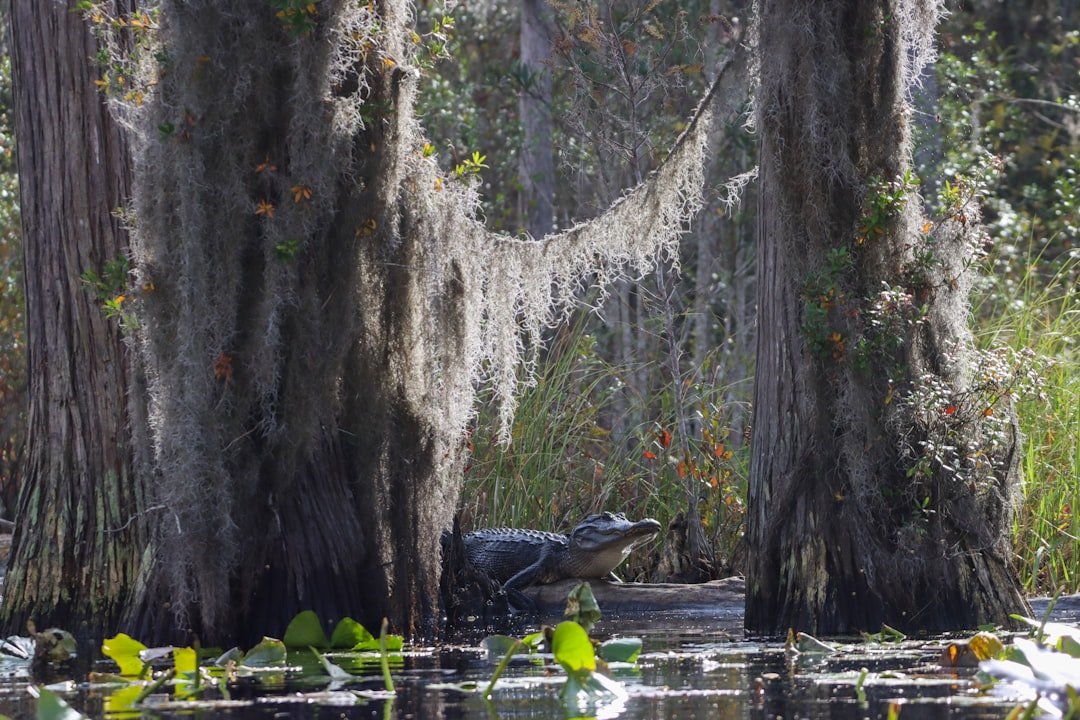
Georgia's Okefenokee Swamp was inscribed as a UNESCO World Heritage site on July 25, 2026, at the 48th annual World Heritage Committee session in Busan, South Korea. It is Georgia's first World Heritage designation and the first U.S. National Wildlife Refuge to receive that status — and, notably, the first natural U.S. site added in more than 30 years.
The swamp spans more than 400,000 acres along the Georgia-Florida border and is regarded as one of the world's largest intact freshwater ecosystems. Its blackwater channels and peat beds support more than 1,270 plant and animal species — including red-cockaded woodpeckers and eastern indigo snakes — and store a 5,000-year record of environmental change, according to reporting by the Atlanta Journal-Constitution.
The inscription follows years of controversy over a proposed titanium and zirconium mining project on the swamp's eastern edge. Alabama-based Twin Pines Minerals had sought permits to mine the area for years before The Conservation Fund purchased the company's land holdings in 2025, effectively halting the project. The timing means the designation arrives with the ecological threat formally resolved — a rare clean slate for a nomination that critics once feared could be derailed.
Kim Bednarek, executive director of the Okefenokee Swamp Park, welcomed the decision plainly: "We accept this inscription not as a finish line, but as a commitment to keep the Okefenokee wild, resilient, and thriving for generations to come."
The swamp already draws roughly 800,000 visitors a year and contributes an estimated $91.5 million to the surrounding local economy, according to the AJC. UNESCO recognition typically amplifies that figure — the designation raises international visibility and signals a site's irreplaceable value, which historically has pulled first-time visitors who specifically seek out World Heritage places.
What this means for remote workers and nomads
For those who build their travel around places with real staying power, the Okefenokee's new status is a signal worth taking seriously — and acting on before the crowds catch up. The swamp sits in the southeastern corner of Georgia, accessible from Folkston and Waycross, making it a natural add-on for anyone working remotely along the I-95 corridor or planning a broader road trip through the US South.
The ecosystem rewards slow-travel pacing far more than a rushed day trip. Guided canoe trails, multi-day paddle routes, and wildlife viewing in the refuge's interior are hard to compress into a weekend itinerary. A workation model — a week based in nearby towns, mornings online, afternoons in the swamp — fits the site far better than a park-and-shoot visit.
Nomads who are drawn to destinations like the wilderness regions of Wyoming already understand the pattern: natural sites carry a kind of permanence that manufactured attractions don't. The Okefenokee adds UNESCO's international imprimatur to that draw, which tends to mean better-maintained infrastructure and a longer window of relevance for travel planning. The practical recommendation here is simple: the window before a newly designated site becomes crowded is typically short. The Okefenokee is open now, less trafficked than it will be, and more accessible than most people assume.
Sources
Georgia's Okefenokee Swamp is now a UNESCO World Heritage site — Atlanta Journal-Constitution, accessed 2026-07-27
Georgia's Okefenokee Swamp joins UNESCO's World Heritage List — The Current GA, accessed 2026-07-27
Georgia's Okefenokee Swamp among new additions to join UNESCO's World Heritage List — Bangor Daily News, accessed 2026-07-27
Georgia's Okefenokee Swamp among new additions to join UNESCO's World Heritage List — WSLS, accessed 2026-07-27
You Might Also Like

Travel + Remote Work Briefing — October 24, 2026
Travel + Remote Work Briefing — October 22, 2026

Travel + Remote Work Briefing — October 21, 2026