Things to Do in Jackson Hole Wyoming: A Complete Travel Guide
Things to Do in Jackson Hole Wyoming: A Complete Travel Guide for Every Season
You've seen the photos — jagged peaks reflected in glassy alpine lakes, elk wandering through town, powder so deep skiers disappear into it. Jackson Hole looks incredible. But then you start planning, and the questions pile up fast. When should you go? Can you actually afford it? Is it worth visiting in summer, or is it only a ski destination? And what do you actually do there beyond stare at mountains?
This Jackson Hole travel guide answers all of it. You'll get a season-by-season breakdown of the best activities, practical budget tips that actually work, and everything you need to know about getting there and getting around. Whether you're chasing powder, wildlife, or just a change of scenery, here's how to make the most of your trip.
Why Jackson Hole Deserves a Spot on Your Travel List
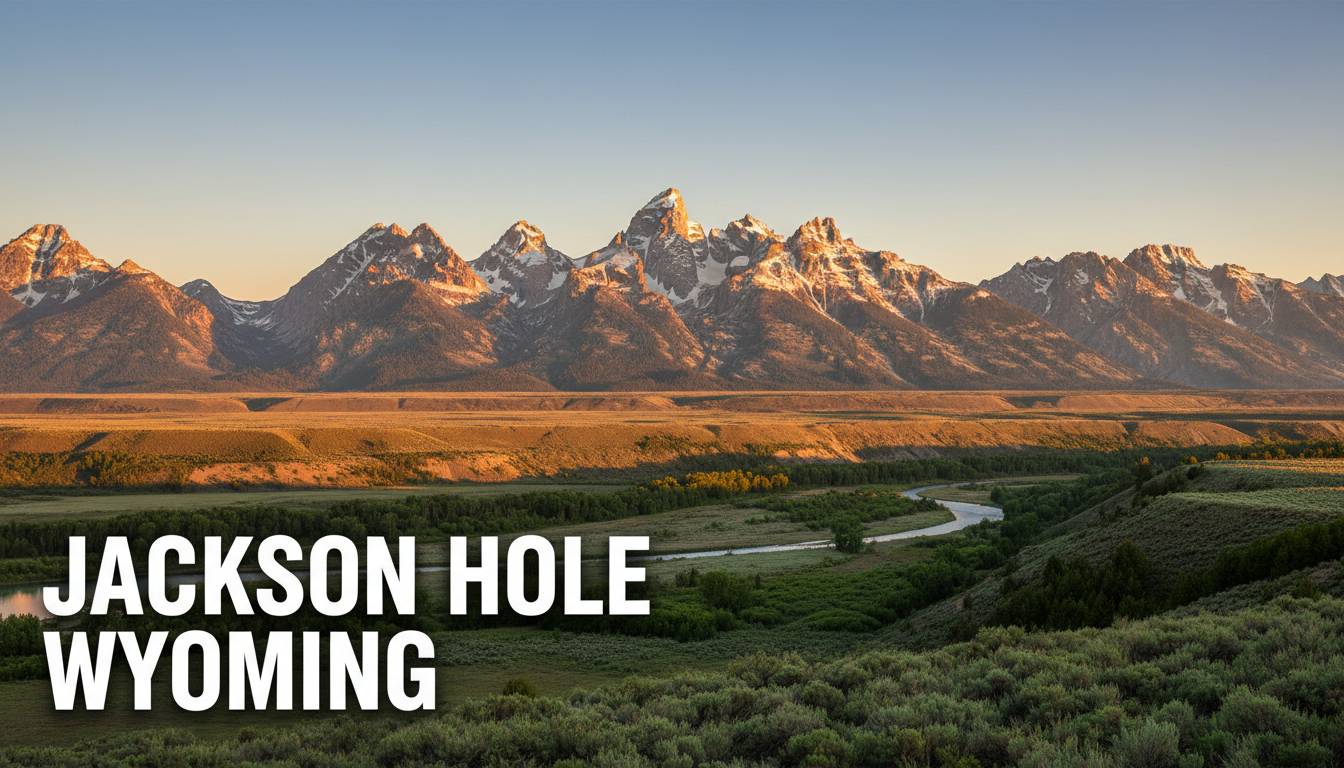
Jackson Hole isn't a single town — it's a valley in northwestern Wyoming, roughly 48 miles long and up to 13 miles wide, cradled by the Teton Range to the west and the Gros Ventre Range to the east. The town of Jackson sits at the southern end, and the Jackson Hole Mountain Resort is about 12 miles northwest in Teton Village.
What makes it special is the sheer concentration of world-class outdoor experiences in one place. Grand Teton National Park is literally minutes from town, Yellowstone is a short drive north, and the surrounding national forests offer thousands of acres of additional terrain. Few places in the U.S. pack this much natural beauty into such an accessible footprint.
And yes — there are plenty of things to do in Jackson Hole Wyoming beyond skiing.
What to Do in Jackson Hole by Season
Winter (December – March): The Legendary Ski Season
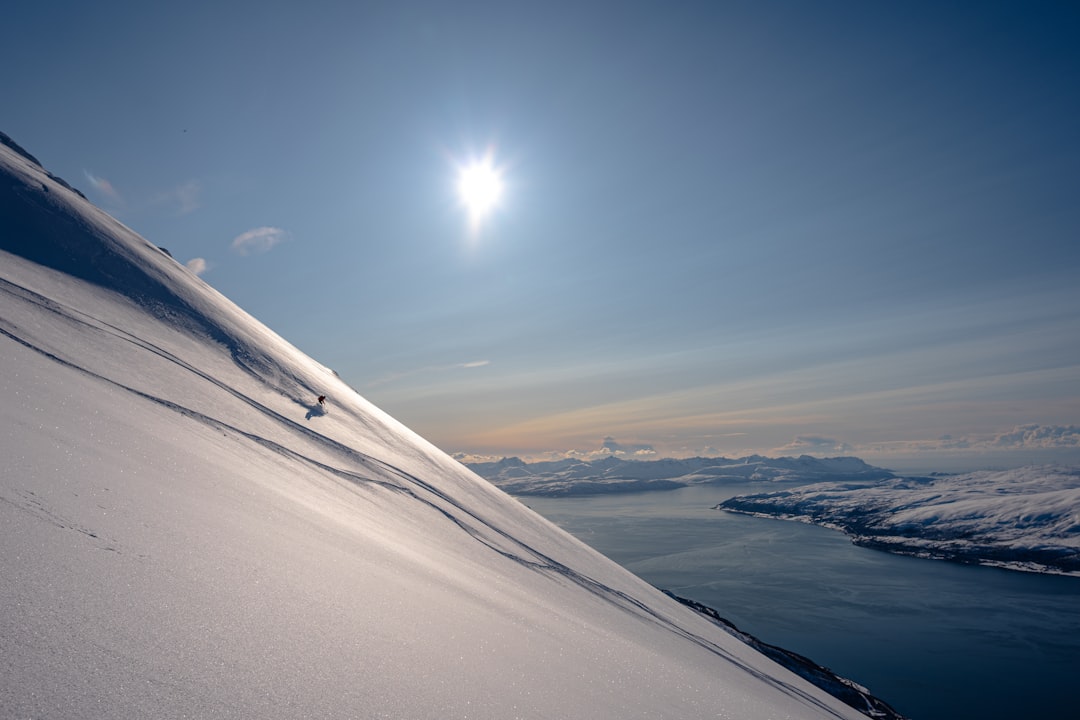
This is what put Jackson Hole on the map. Jackson Hole Mountain Resort consistently ranks among the top ski destinations in North America, with 2,500 acres of terrain, 4,139 feet of vertical drop, and an annual snowfall averaging around 450 inches.
Top winter activities:
Skiing and snowboarding at Jackson Hole Mountain Resort or the more laid-back Snow King Resort right in town
Cross-country skiing and snowshoeing in Grand Teton National Park (the park stays open year-round, though most roads close to vehicles)
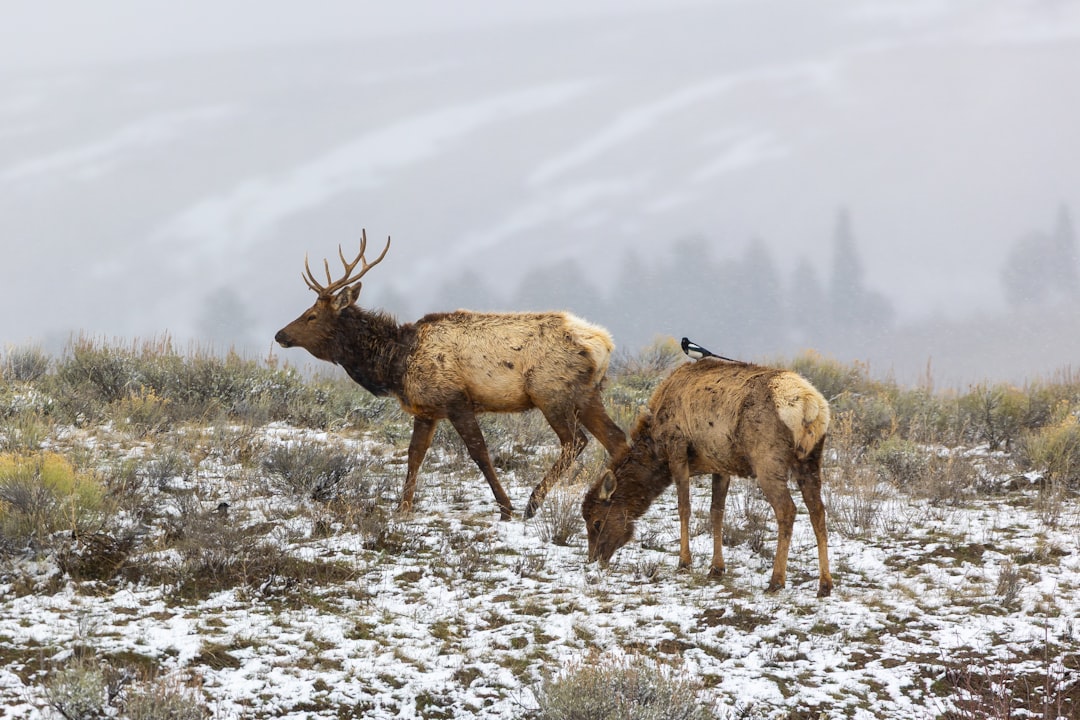
Wildlife sleigh rides through the National Elk Refuge, where thousands of elk gather each winter
Snowmobiling in the surrounding Bridger-Teton National Forest
Soaking in hot springs — Granite Hot Springs is a beautiful 45-minute drive south of Jackson
Tip: If you're visiting Jackson Hole in winter for skiing, mid-January through February typically offers the best snow conditions with slightly fewer crowds than the holiday weeks.
Spring (April – May): The Quiet Shoulder Season
Spring is Jackson Hole's quietest period. The ski resort closes in early April, and many hiking trails remain snow-covered into June. But if you don't mind a slower pace, spring has real advantages.
Why spring works:
Lowest prices of the year on lodging and flights
Incredible wildlife viewing — spring is calving season for elk, bison, and moose, and bears emerge from hibernation
Fewer crowds at restaurants, shops, and viewpoints
Whitewater rafting starts up on the Snake River as snowmelt picks up in late May
The trade-off is real, though. Some businesses close for a few weeks between ski season and summer season, and weather can be unpredictable. Pack layers and keep your plans flexible.
Summer (June – September): Peak Season for Good Reason
Summer is the most popular time to visit Jackson Hole, and it's easy to see why. The hiking is world-class, both national parks are fully accessible, and the valley stays comfortable even when much of the country swelters.
Must-do summer activities:
Hiking in Grand Teton National Park — Cascade Canyon, Lake Solitude, Delta Lake, and Taggart Lake are standout trails ranging from easy to strenuous
Yellowstone day trips — the south entrance to Yellowstone is about 60 miles north of Jackson; plan a full day minimum
Scenic float trips on the Snake River — calmer than the whitewater sections, with excellent chances of spotting bald eagles, osprey, and moose along the banks
Whitewater rafting on the Snake River canyon section south of town
Mountain biking on trails throughout the valley and at the ski resort, which runs its aerial tram for sightseers and hikers
Exploring the Town Square — the famous elk-antler arches, local galleries, restaurants, and the Jackson Hole Playhouse
Tip: July and August are the busiest months. If you can swing a visit in mid-June or September, you'll enjoy warm weather with noticeably thinner crowds and lower prices.
Fall (Late September – November): The Hidden Gem
Fall might be the most underrated season for visiting Jackson Hole Wyoming. The summer crowds thin out dramatically after Labor Day, aspen trees turn gold across the hillsides, and wildlife becomes more active as animals prepare for winter.
Fall highlights:
Elk bugling season — bull elk compete for mates from mid-September through October, and you can hear their eerie calls echoing across the valley
Fall foliage — peak color typically hits in late September to early October
Excellent hiking conditions — cooler temperatures, fewer people on the trails, and no mosquitoes
Photography opportunities that rival any location in the country
The best time to visit Jackson Hole depends entirely on what you want to do. Skiers should aim for January or February. Hikers and park explorers should target June, September, or early October. Budget travelers should look at spring or late fall.
Top Activities and Attractions Worth Your Time
Beyond the seasonal highlights, these are the Jackson Hole activities that consistently deliver regardless of when you visit.
Grand Teton National Park
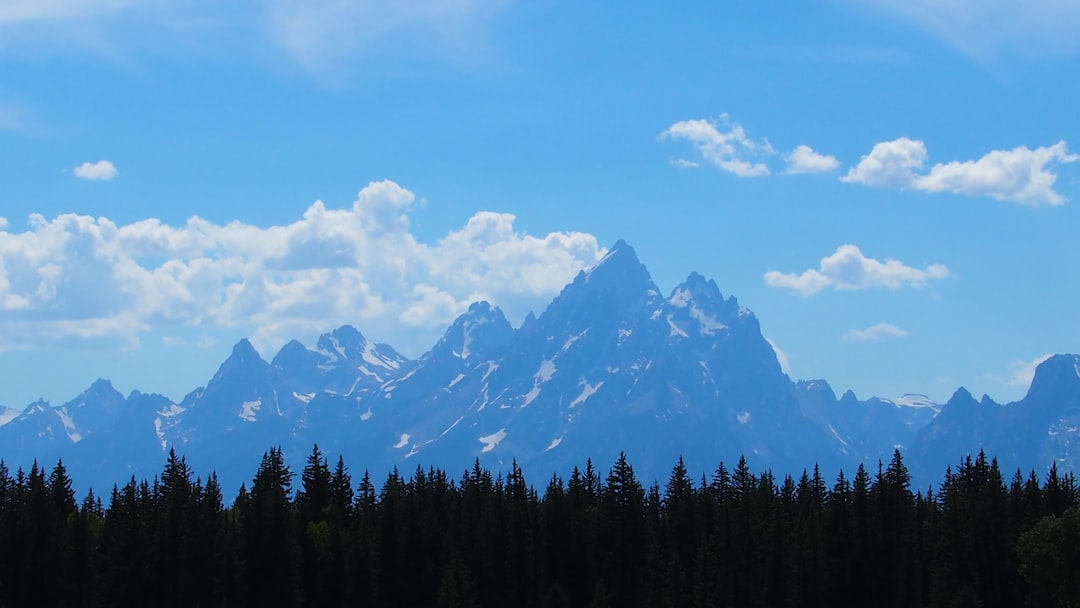
The Tetons are the main event. Unlike most mountain ranges that build gradually, the Tetons rise abruptly from the valley floor — no foothills, no warm-up. The result is one of the most dramatic mountain landscapes in North America.
Jenny Lake is the most popular stop; take the shuttle boat across and hike to Hidden Falls and Inspiration Point
Mormon Row offers iconic barn-with-mountain-backdrop photo opportunities
Signal Mountain Summit Road provides panoramic views without a strenuous hike
The park entrance fee is $35 per vehicle and covers both Grand Teton and Yellowstone for seven days
Yellowstone National Park
A day trip to Yellowstone from Jackson Hole is absolutely doable, but you'll only scratch the surface. The drive to Old Faithful from Jackson takes roughly two hours. If you can spare two days, you'll have a much richer experience.
Prioritize: Old Faithful, Grand Prismatic Spring, and the West Thumb Geyser Basin if you only have one day coming from the south entrance.
Wildlife Watching
Jackson Hole sits in one of the largest intact ecosystems in the lower 48 states. Moose, elk, bison, pronghorn, black bears, grizzly bears, wolves, bald eagles, and trumpeter swans all live here.
Early morning and dusk are the best times for sightings
Moose-Wilson Road in Grand Teton is famous for moose and bear encounters
The National Elk Refuge hosts up to 7,000 elk each winter
Consider hiring a wildlife safari guide — they know where to look and carry spotting scopes
Jackson Town Square
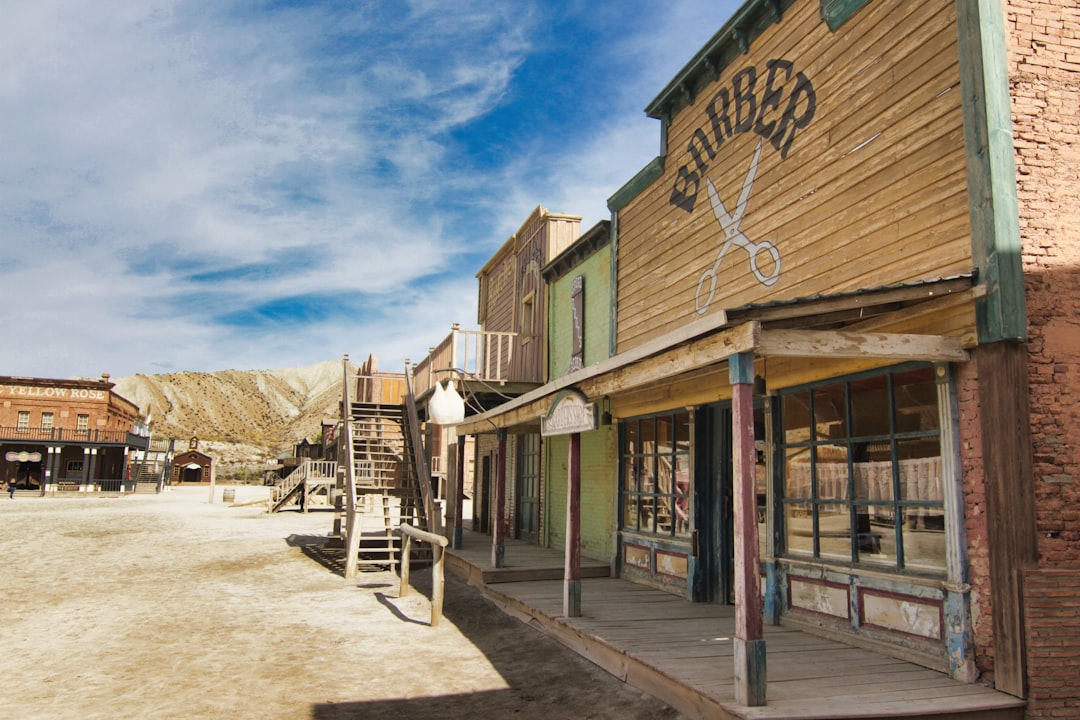
The town itself is small but charming. Walk through the elk-antler arches, browse the galleries and Western boutiques, and grab dinner at one of the local restaurants. The Jackson Hole Farmers Market runs Saturday mornings in summer and is worth a stop.
How to Do Jackson Hole on a Budget
Let's be honest — Jackson Hole has a reputation for being expensive, and that reputation is earned. But a Jackson Hole on a budget trip is absolutely possible with some planning.
Accommodation strategies:
Stay in the town of Jackson rather than Teton Village to save significantly on lodging
Consider Driggs or Victor, Idaho, just over Teton Pass (about 45 minutes to the ski resort), where rooms can cost half as much
Book early — Jackson Hole accommodations fill up fast, especially in summer and ski season
Campgrounds in Grand Teton National Park and Bridger-Teton National Forest are the most affordable option; Gros Ventre Campground in the park is first-come, first-served
Saving on activities:
Hiking is free once you've paid the park entrance fee
Buy an America the Beautiful Pass ($80/year) if you plan to visit multiple national parks — it pays for itself quickly
Pack your own food for day trips rather than eating at in-park concessions
Free events happen regularly in summer, including outdoor concerts and ranger-led programs in the national parks
Happy hour deals at Jackson restaurants can cut dining costs significantly
Budget reality check: You can do Jackson Hole for $100–150/day per person if you camp, cook some meals, and focus on hiking and free activities. A mid-range trip with a hotel and restaurant meals will run closer to $250–400/day per person.
Practical Info: Getting There and Getting Around
Getting to Jackson Hole
Jackson Hole Airport (JAC) is the only commercial airport located inside a national park, sitting right in Grand Teton. Major airlines serve it with direct flights from several hub cities including Dallas, Denver, Chicago, Salt Lake City, Minneapolis, and seasonally from others.
Flights tend to be pricey — compare with flying into Idaho Falls (about 90 miles away) or Salt Lake City (about 275 miles) and driving in
Driving in is scenic from any direction, but check road conditions in winter; Teton Pass can close during heavy storms
Getting Around
You'll want a car. Public transit exists — START Bus runs free routes within Jackson and to Teton Village — but to explore the parks and surrounding areas, a personal vehicle is essential.
Rent early if visiting in peak season; inventory gets thin
Fill up in Jackson — gas stations inside the parks are limited and more expensive
Road conditions in winter require confidence driving in snow; all-wheel drive is strongly recommended
Where to Stay
Jackson town — the widest range of hotels, motels, and vacation rentals; walking distance to restaurants and shops
Teton Village — ski-in/ski-out convenience but premium pricing
Wilson, WY — a quieter alternative just west of Jackson with a local feel
Driggs/Victor, ID — the budget-friendly option across the pass
Start Planning Your Jackson Hole Trip
Jackson Hole is one of those rare destinations that delivers on the hype. The mountains really are that dramatic. The wildlife really does wander that close. And there genuinely are enough things to do in Jackson Hole Wyoming to fill trips across multiple seasons.
Pick your season based on what excites you most, book your accommodation as early as you can, and don't try to cram everything into three days. This is a place that rewards slowing down.
Your next step: Decide on your season, then check flights to Jackson Hole Airport. Prices fluctuate significantly, so setting a fare alert now gives you the best chance of landing a deal when one drops.
Frequently Asked Questions
When is the best time to visit Jackson Hole?
What can you do in Jackson Hole besides skiing?
Is Jackson Hole worth visiting in summer?
How far is Jackson Hole from Yellowstone National Park?
What's the difference between Jackson and Jackson Hole?
You Might Also Like
Travel + Remote Work Briefing — October 15, 2026

Travel + Remote Work Briefing — October 14, 2026
Travel + Remote Work Briefing — October 13, 2026