July 4 Air Squeeze: Full Planes, Fewer Deals in 2026

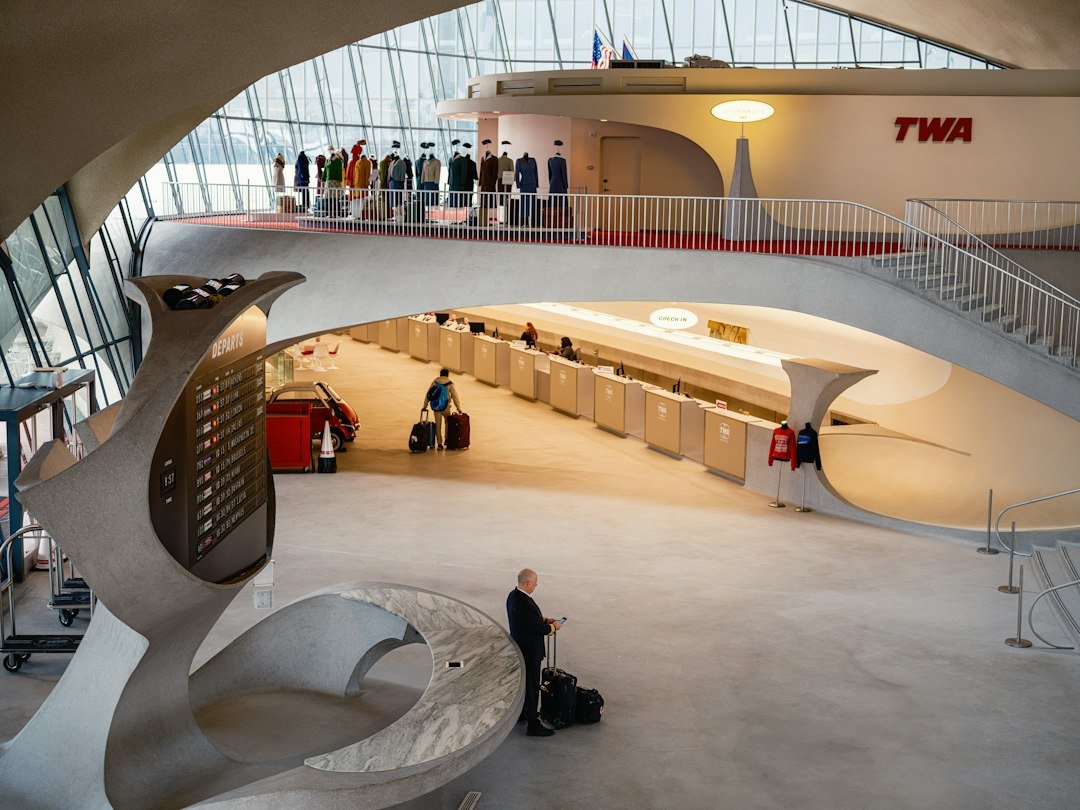
The TSA expects to screen nearly 18.7 million travelers at U.S. airport security checkpoints between June 30 and July 6 — and the peak is arriving early. Thursday, July 2 is projected to be the single busiest day of the period, with more than 3 million people expected to pass through checkpoints, which would place it among the highest single-day totals ever recorded. For context, last year's July 4 week drew a final tally of 18.6 million travelers, with its busiest day reaching 3,041,954 screenings — 2026 is on pace to surpass that.
The surge is partly a convergence of events: Independence Day, the ongoing FIFA World Cup across multiple U.S. host cities, and America's 250th anniversary commemorations are all pulling travelers toward the same week.
The capacity math working against last-minute bookers
Demand alone wouldn't squeeze travelers this hard. The bigger story, according to Skift's reporting, is that airlines are simultaneously pulling seats from the market. Domestic capacity is down about 2% heading into the holiday, with international seats off roughly 2.1%. Low-cost carriers have cut the deepest — down approximately 9.1% — a direct aftershock of Spirit Airlines' collapse, with carriers like JetBlue and Frontier concentrating on profitable core routes rather than chasing volume. Skift also noted the FAA is describing this as the busiest Independence Day week in 15 years.
United Airlines alone trimmed roughly 5% of its capacity during the critical July travel period in an announcement dated June 26. The result is the same in every market where this math plays out: fuller planes and a shrinking window for last-minute bargains. Going's summer 2026 travel report puts domestic airfares up 18% and international up 7.5% year over year, driven largely by fuel costs. Executives at multiple carriers have signaled they intend to hold pricing gains even if fuel eases — what industry analysts describe as structural capacity discipline rather than a temporary adjustment.
What this means for remote workers and nomads
This is precisely the scenario where location independence pays a measurable dividend. Most travelers are locked into the July 1-6 window because school calendars, office schedules, or family commitments leave no room to maneuver. Remote workers and nomads are not. Shifting a trip by even three to five days — flying out June 28 or arriving back July 8 — means encountering shoulder-season load factors rather than peak-week capacity crunch.
Reviewing the demand data, we found that the pricing gap between July 2 (the projected peak) and the days immediately surrounding it is not marginal. When planes run at near-capacity and airlines have already pared available seats, any unsold inventory commands a premium at checkout; the algorithm does not reward waiting. For nomads planning to travel through World Cup host cities this summer, the same logic applies with extra urgency: those routes are drawing sports tourism demand on top of standard holiday traffic, so early booking matters more than it would in a typical summer.
The broader pattern — fewer seats, higher base fares, earlier price floors — is also a signal worth tracking beyond July. If carriers maintain capacity discipline through the rest of summer 2026 as they have signaled, the era of reliably cheap last-minute domestic hops may be structurally narrower than it was even two years ago. For nomads who built their budgets around flexible base locations and off-peak movement, this summer is a practical reminder that the timing advantage of remote work is real — and increasingly worth optimizing.
Sources
TSA Prepared to Screen Nearly 18.7 Million Air Travelers This Fourth of July Holiday — TSA / PR Newswire, accessed June 27, 2026
4th of July Rush: TSA Expecting to Screen Nearly 19 Million Travelers Over Holiday Period — Simple Flying, accessed June 27, 2026
Record 18.7 Million Air Travelers Expected During July 4th Holiday, TSA Says — NTD, accessed June 27, 2026
Airlines Are Trimming Capacity Ahead of 4th of July — Skift, accessed June 27, 2026
Summer Travel Outlook: Fewer Deals, Higher Fares, and How to Save — Going, accessed June 27, 2026
United Airlines Slashes Over 23,500 Summer Flights in Historic Capacity Reduction — Nomad Lawyer, accessed June 27, 2026
You Might Also Like

Travel + Remote Work Briefing — October 15, 2026

Travel + Remote Work Briefing — October 14, 2026
Travel + Remote Work Briefing — October 13, 2026