Why the 7 Train Beats Manhattan for World Cup Remote Workers
The 2026 FIFA World Cup opens this week, and the New York/New Jersey region is one of 11 U.S. host markets in a 39-day tournament expected to draw roughly 1.2 million visitors to the metro area, NPR reported Thursday. Matches at MetLife Stadium are roughly 20 miles from Midtown Manhattan, and the cheapest tickets are running about $1,000 a seat.
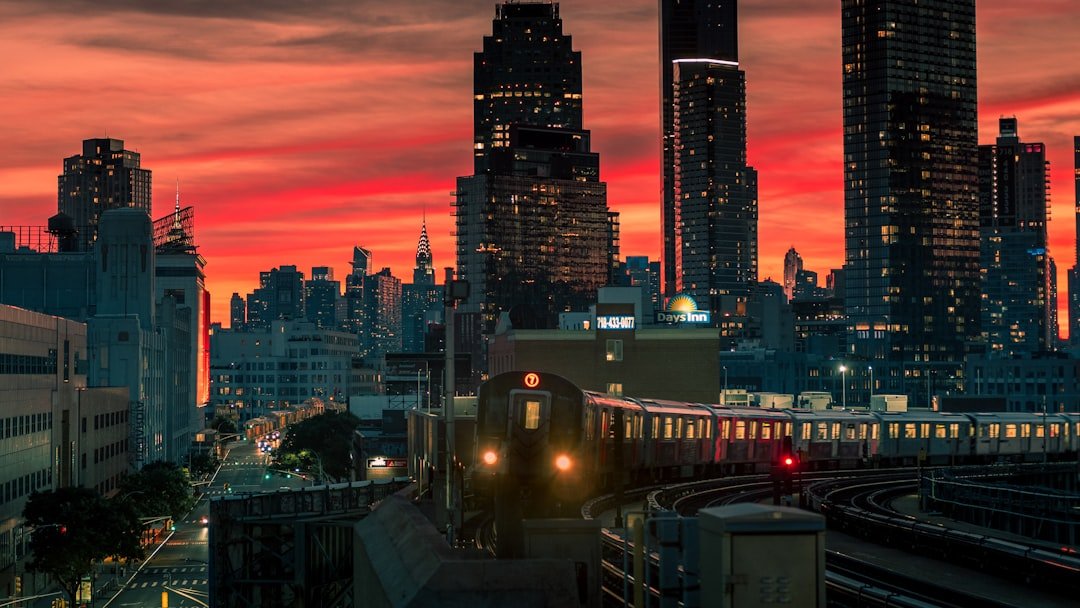
For remote workers planning to ride the cup out from a laptop instead of a stadium seat, the geography matters more than the bracket. NPR's reporting from along the 7 train — the elevated line nicknamed "the International Express" because every stop cuts through a different immigrant enclave — points to a base that most visiting nomads will overlook in favor of Manhattan.
Context
NPR spent a Sunday walking the line from Flushing Meadows out through Corona, the 90th Street-Elmhurst station and Little Argentina, and what it found is a working-class soccer culture that has been there for decades, not a pop-up zone built for the tournament. Coach Guillermo Andrade, who runs the Peruvian American Soccer club out of Flushing Meadows Corona Park, told NPR that the fields fill up every Saturday and Sunday and have for years. Near 90th Street-Elmhurst, kids trade Panini World Cup sticker packets in the shade. A few blocks on, fans gather under a mural of Lionel Messi.
NPR also reported friction layered on top of the celebration: vendors in Corona Plaza told the outlet they fear immigration enforcement and that some neighbors may stay home from public watch parties. ICE officials told NPR they are not planning enforcement activity at World Cup matches. The FIFA host-city page confirms NY/NJ matches sit at MetLife Stadium, which the 7 train does not directly serve — but the line feeds Manhattan in about 20 minutes for NJ Transit at Penn Station.
What this means for remote workers and nomads
If you are coming to New York for a stretch of the cup and plan to keep working, base along the 7 train, not in Manhattan. Reviewing the NPR field reporting alongside how the line actually runs day to day, three stops do the heavy lifting. Long Island City sits one stop from Grand Central, has the highest density of dedicated coworking floors in Queens and the easiest cab to MetLife on match days. Jackson Heights and Woodside, four to six stops further out, are where the short-term rental math actually breaks in your favor and where the food scene NPR describes — salchipapas at 90th Street, Mexican vendors in Corona, Little Argentina under the Messi mural — is walkable from your front door. Flushing, at the end of the line, puts you next to the park fields and Citi Field.
The practical playbook: block off U.S., Mexico and Argentina group-stage match days for watching, not deep work — bars along Roosevelt Avenue will be standing-room. Schedule client calls in the morning before European matches start. If you have never lived out of a backpack in a host city before, a few routines from our digital nomad starter kit — eSIM before you land, a backup coworking day pass, a cutoff on watch parties — will keep the month from eating your billable hours. The instinct that makes a base in Bali work, covered in our working remotely from Southeast Asia piece, applies here: pick the neighborhood where locals already live.
Sources
"Along the 7 train in Queens, World Cup fans welcome the 'beautiful game'" — NPR — https://www.npr.org/2026/06/11/nx-s1-5850750/world-cup-new-york-queens-7-train (accessed 2026-06-11)
"FIFA World Cup 2026 Host Cities" — FIFA — https://www.fifa.com/en/tournaments/mens/worldcup/canadamexicousa2026/host-cities (accessed 2026-06-11)
You Might Also Like
Travel + Remote Work Briefing — October 15, 2026
Travel + Remote Work Briefing — October 14, 2026
Travel + Remote Work Briefing — October 13, 2026