France & Spain Wildfires: Remote Worker Safety Guide
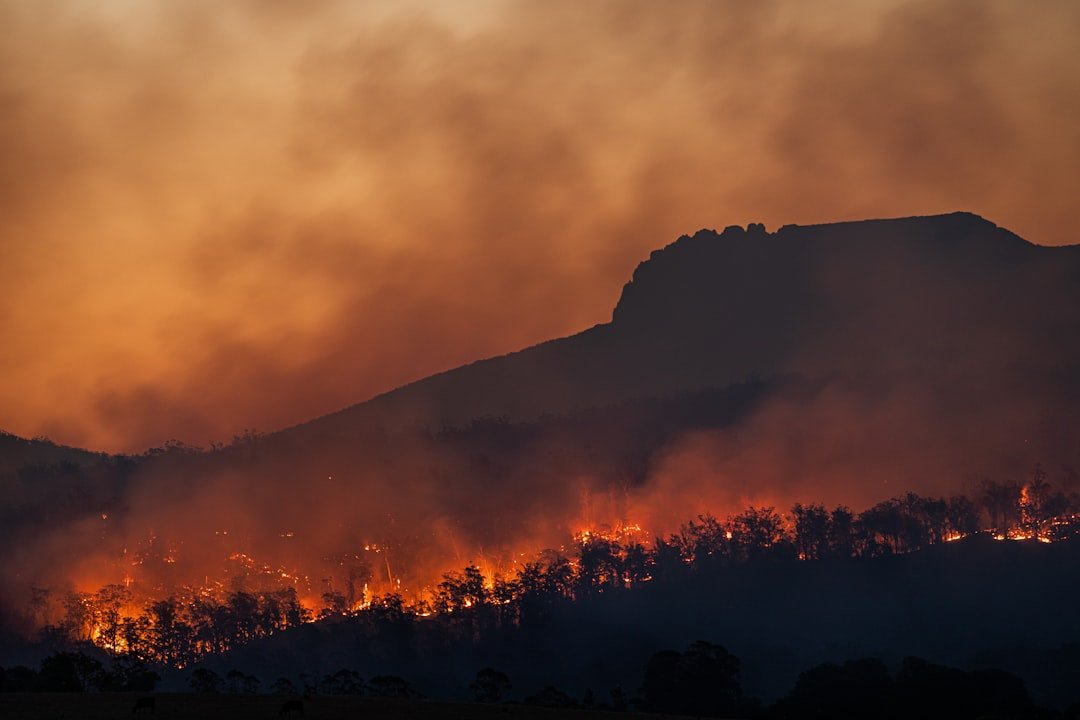
Simultaneous wildfires across southwestern France and central Spain, fueled by a summer of successive heat waves, have displaced more than 267,000 people as of July 25. With no rain forecast for the hardest-hit areas and conditions forecast to worsen, that matters directly to any remote worker or nomad with plans in southern Europe.
The primary fire zone in France is the Gironde department west of Bordeaux, where a blaze has burned through roughly 42,000 hectares — an area four times the size of Paris. A separate fire in the Var region on the Mediterranean coast has forced nearly 3,000 additional evacuations. In Spain, fires near Madrid and the Valencia regions have prompted the evacuation of roughly 76,000 people, with France's evacuation figures reaching at least 197,000 in the Bordeaux region alone. CBS News reports the EU's satellite monitoring system (EFFIS) is tracking the total area burned across EU countries so far in 2026 as the second-largest year-to-date on record.
The logistical impact for travelers is real. As fires advanced toward the Bordeaux metropolitan area, earlier reports during the emergency indicated the airport had been closed; by July 26, Bordeaux Airport reported it was fully operational again while continuing to issue passenger warnings. The Local France notes that wildfire-related road closures and rail cancellations can affect large swaths of the southwest, and French authorities warned against road or rail travel to the affected Bordeaux area.
Air quality is a separate concern across the broader region. IQAir recommends that anyone in areas with wildfire smoke close windows and doors, set HVAC systems to recirculate, and wear KN95 or FFP2 masks when going outdoors. For a remote worker banking on coworking productivity, smoky air and power-grid strain from cooling demand are real disruptions even in cities not under evacuation orders.
What this means for remote workers and nomads
The southwest of France and central Spain around Madrid are the two zones to avoid or exit right now. Other parts of Spain — Barcelona, the Basque Country, the Canary Islands — and much of northern France remain unaffected. The practical move is to verify your specific destination's status before finalizing travel, not to cancel a broader European summer.
Reviewing your trip's booking terms and travel insurance coverage is worth doing today. Many platforms extended flexible-change policies during the 2022 Gironde fires; check whether your accommodation and flight bookings qualify for fee-free changes given the declared emergency. If your workload can flex, pivoting your base to Lisbon, Valencia (currently stable), Barcelona, or northern France for two to three weeks keeps you in the same time zone while the crisis resolves.
For real-time monitoring, The Local France points to the Feux de Forêt app and the European Forest Fire Information System (EFFIS) for live fire perimeters, and IQAir's live air quality map for smoke conditions. French authorities publish wildfire risk forecasts via Météo-France's Météo des forêts service. Setting location-specific alerts for both fire and air quality before you land is the minimum preparation any nomad traveling through southern Europe should complete this summer. If you are still building out your travel-tech toolkit, our essential skills guide for digital nomads covers the apps and routines worth having before a situation like this catches you off guard.
Sources
Wildfires in Spain and France force evacuation of more than 267,000 people — Al Jazeera, accessed July 28, 2026
Firefighters race to control massive blazes approaching major cities in France and Spain — PBS NewsHour, accessed July 28, 2026
Wildfires in France and Spain force more than 250,000 to flee as crews continue to battle untamed blazes — CBS News, accessed July 28, 2026
Wildfire Map Spotlight: Southern Europe Wildfires — IQAir, accessed July 28, 2026
Maps: Where are all the wildfires and warnings in France right now? — The Local France, accessed July 28, 2026
Information update: Gironde wildfires — 26 July — Bordeaux Airport, accessed July 28, 2026
You Might Also Like
Travel + Remote Work Briefing — October 24, 2026

Travel + Remote Work Briefing — October 22, 2026
Travel + Remote Work Briefing — October 21, 2026