San Francisco World Cup 2026: Levi's Stadium Guide

San Francisco World Cup 2026: Levi's Stadium Guide
The San Francisco Bay Area is one of the most visited corners of the United States — a sprawling, innovation-driven region that stretches from the fog-laced hills of the city itself down through Silicon Valley to San Jose. In summer 2026 it also becomes one of the FIFA World Cup's most distinctive host venues, with six matches played at one of North America's newest and most impressive stadiums. If you're planning to attend games here — or just passing through the Bay Area while following the tournament — this guide covers everything you need to know.
Quick Answer: The San Francisco Bay Area hosts six 2026 World Cup matches at Levi's Stadium in Santa Clara (officially San Francisco Bay Area Stadium for the tournament). The stadium is ~40 miles south of San Francisco in Silicon Valley, holds ~71,000 in its FIFA configuration, and runs June 13 through July 1. The best transit strategy from SF is Caltrain to Mountain View + VTA Orange Line to Great America Station (~75–90 min). Best airports: SJC for proximity (4 miles), SFO for international flights.
Disclosure: This post contains affiliate links. If you make a purchase through these links, we may earn a small commission at no extra cost to you. We only recommend products we genuinely believe in.
Which Stadium Hosts the 2026 World Cup in the San Francisco Bay Area?
The venue is Levi's Stadium in Santa Clara — officially renamed San Francisco Bay Area Stadium for the duration of the FIFA World Cup, consistent with FIFA's policy of dropping corporate-sponsored stadium names during the tournament. All official tickets, broadcasts, and FIFA signage use this neutral name.
One important geographic note: Levi's Stadium is not in San Francisco. It sits in Santa Clara, roughly 40 miles south of the city, in the heart of Silicon Valley — about 10–15 minutes from San José Mineta International Airport (SJC) and 7 miles from Google's headquarters in Mountain View. The "San Francisco Bay Area" designation reflects the broader metro region rather than the city itself.
In its World Cup soccer configuration, the stadium holds approximately 71,000 spectators — the NFL base capacity of 68,500 expanded with temporary seating to meet the larger FIFA-standard pitch requirements. The open-air design means you'll experience the full Bay Area summer weather: warm afternoons, cool evenings, and the occasional coastal fog rolling in off the bay.
How Many Matches Does the Bay Area Host at the 2026 World Cup?
The San Francisco Bay Area hosts six matches total: five group-stage games and one Round of 32 knockout. Here's the verified schedule:
| Date | Match | Round |
|---|---|---|
| June 13 | Qatar vs. Switzerland | Group Stage |
| June 16 | Austria vs. Jordan | Group Stage |
| June 19 | Paraguay vs. Turkey | Group Stage |
| June 22 | Jordan vs. Algeria | Group Stage |
| June 25 | Paraguay vs. Australia | Group Stage |
| July 1 | USA vs. Bosnia & Herzegovina | Round of 32 |
Six matches puts the Bay Area on par with several other US host cities. The Round of 32 on July 1 is the knockout highlight — expect the stadium to be buzzing at full capacity with fans whose teams have made it through the group stage.
Book accommodation early for the June 13 opener (Qatar vs. Switzerland) and June 25 (Paraguay vs. Australia). These are the weekend matches most likely to sell out hotels across the entire Bay Area, particularly in the Santa Clara/San Jose corridor.
How Do You Get to Levi's Stadium from San Francisco?
Transit is the clear answer — and the Bay Area's multi-agency rail network makes the journey manageable, if not always fast. Driving is strongly discouraged: stadium parking runs $40–$100 per event and must be purchased in advance online, and match-day traffic around Santa Clara rivals the worst the region has to offer.
Caltrain + VTA (Recommended from San Francisco)
The fastest and most straightforward public transit route from SF:
- Take Caltrain from San Francisco (4th & King station) southbound to Mountain View Station.
- Transfer to the VTA Orange Line light rail.
- Ride to Great America Station — the stop directly adjacent to the stadium's Gate A entrance.
The Caltrain leg takes roughly 50–60 minutes depending on express vs. local service; the VTA leg is another 15–20 minutes. Budget 75–90 minutes total, plus time to clear security at the gate. VTA will run extra train cars on match days — up to 30 additional cars have been confirmed — and expects to carry as many as 15,000 fans per match.
VTA tip: Enter and exit through Gate A to connect directly with the Orange Line. Lick Mill Station is the secondary option and also a short walk from the stadium.
BART + Caltrain (Alternative)
For fans based in the East Bay or traveling from BART-connected points:
- Take BART to Millbrae Station (the shared BART/Caltrain stop on the Peninsula).
- Transfer to Caltrain southbound to Mountain View.
- VTA Orange Line to Great America, as above.
This route adds a transfer but works well from downtown San Francisco or Oakland. Total journey time: roughly 90–105 minutes from central SF via BART.
From SJC Airport
San José Mineta International is only 4 miles from the stadium. A free shuttle bus connects SJC terminals to Santa Clara Caltrain and VTA light rail stops, from where Great America Station is a short ride away. On a non-congested match day, you can be at the stadium gates in under 30 minutes from the airport. Rideshare from SJC is even faster but will be heavily in demand on game days — book in advance.
Driving and Parking
If you must drive, all stadium parking must be pre-purchased at levisstadium.com — there is no day-of cash parking. Lots range from $40 (remote, with shuttle) to $100 (premium adjacent). Expect 60–90+ minutes to exit after the final whistle. Transit is genuinely the better option here.
Staying Connected in the Bay Area
Bay Area cellular coverage is excellent — 4G/LTE and 5G across the city, the Peninsula, and Silicon Valley — but international roaming charges can add $15–30/day or more to your phone bill. The Airalo USA & Mexico Unlimited eSIM is the simplest solution if you're combining the Bay Area with other US cities or a Mexico leg: one plan, no SIM swap, no roaming surprises. As part of Airalo's World Cup 2026 promotion, the USA & Mexico Unlimited plan is 26% off through July 18, 2026. (Affiliate link — I may earn a commission at no extra cost to you.)
Install it before you fly and activate on landing. Inside Levi's Stadium at capacity, cellular networks will be congested — your own data plan outperforms stadium WiFi for ticket QR codes, navigation, and uploading match-day photos.
Want to compare all the top eSIM options for the tournament? Our best eSIM for the 2026 World Cup guide runs through every plan. Attending games in multiple countries? See the no-SIM-swap multi-country World Cup plan for the full cross-border strategy.
Which Airport Should I Fly Into for the 2026 World Cup?
The Bay Area has three major airports, and the right choice depends on where you're coming from.
SJC (San José Mineta International) is the best choice if proximity to the stadium matters most. At just 4 miles from Levi's Stadium, it's roughly 10–15 minutes by rideshare on a normal day. A free shuttle connects the terminals to Santa Clara Caltrain and VTA stops. The tradeoff: SJC is primarily a domestic and regional airport with fewer international routes.
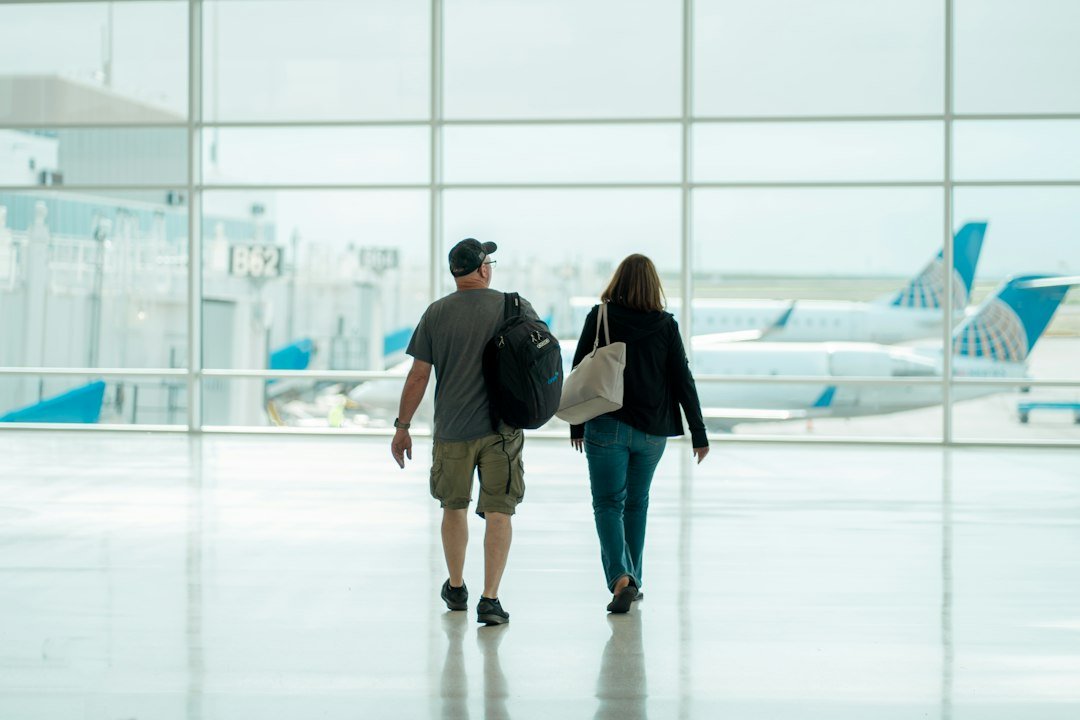
SFO (San Francisco International) is the international gateway — it's United's major hub and serves the widest range of carriers and direct routes from Europe, Latin America, Asia, and Australia. At 27 miles from the stadium, it's a longer journey (plan on 90+ minutes via Caltrain), but if your flight originates outside the US, SFO is likely your only direct option.
OAK (Oakland International) sits 25 miles from the stadium with a clean BART connection into the city. It's the budget-friendly choice — Southwest, Spirit, and other low-cost carriers often post lower fares here — and it connects well for fans staying in the East Bay or San Francisco. BART to Millbrae + Caltrain to the stadium is a straightforward connection.
Bottom line: If you can route through SJC, do it. If your international flight lands at SFO, stay in SF or the Peninsula and use Caltrain as your match-day lifeline. OAK is a solid pick if fares are meaningfully cheaper.
Where to Stay: San Francisco vs. South Bay
This is the Bay Area's great World Cup travel question. The stadium is in Santa Clara — but the city with the hotels, restaurants, and attractions is 40 miles north. Both bases are workable; the right choice depends on your priorities.
Stay in San Francisco
San Francisco is the better base for travelers who want an immersive city experience alongside the football.
Union Square is the most practical hub: BART runs underneath (Powell Street Station), multiple Muni lines cross through it, and you're walking distance from Chinatown, the Financial District, and dozens of restaurants. Hotels run $250–$500+ per night during World Cup weekends, and availability will be tight — book as soon as match tickets are confirmed. Journey to the stadium via Caltrain: roughly 75–90 minutes.
SoMa (South of Market) puts you close to the Caltrain station at 4th & King, which cuts your journey time slightly. It's also home to a dense cluster of bars and restaurants that will host watch parties throughout the tournament.
Mission District has more of a neighborhood feel — excellent taquerias, independent bars, and a lively atmosphere. The 16th Street and 24th Street BART stations give you good connectivity.
Stay in Santa Clara or San Jose
Staying near the stadium has one obvious advantage: you can walk or take a quick VTA ride on match day. Santa Clara and downtown San Jose are the two main options.
Santa Clara (nearest to the stadium) is convenient but suburban — great for logistics, quieter for nightlife. Several hotels are within a 15-minute walk of the stadium and Caltrain/VTA stops.
Downtown San Jose adds a genuine city atmosphere: restaurants, bars, the SAP Center arena district, and the San Jose Earthquakes' free 39-day fan festival at San Pedro Square Market. San Jose is connected to Levi's Stadium by VTA light rail, and the journey from downtown is under 30 minutes.
Pricing note: Hotels in Santa Clara and San Jose on match-weekend dates are expected to run $200–$350/night for a standard double room. Book early — room blocks fill fast once the group-stage schedule is set.
Fan Zones and Watch Parties
Unlike some host cities, the Bay Area chose not to run a single centralized FIFA Fan Festival. Instead, the Bay Area Host Committee organized 30+ distributed fan zones across the region, running June 11 – July 19. All are free to attend.
In San Francisco:
- Thrive City at Chase Center — the arena plaza in Mission Bay turns into a tournament-long viewing hub with live match broadcasts and entertainment.
- Mission Rock / China Basin Park — one of the Bay Area's largest fan zones, with giant screens, food vendors, live music, and waterfront views of McCovey Cove. Strong pick for the atmosphere.
In San Jose: The San Jose Earthquakes are running a free, 39-day soccer festival at San Pedro Square Market starting June 11 through the final on July 19. With a 500-square-foot viewing screen and a month of programming, it's one of the most ambitious free fan experiences in any US host city.
Check sfbayareafwc26.com/bay-area-events for the full, updated fan zone calendar.
Things to Do in the Bay Area
The World Cup is the reason you're coming, but the Bay Area will fill a full week without effort.
Golden Gate Bridge (San Francisco) — Walk or cycle across the bridge for free. The views of the Bay, the Marin headlands, and the city skyline from the span are among the most photographed in the world. The Vista Point on the north side is the best angle for photos.
Fisherman's Wharf and the Ferry Building — The Wharf is touristy but earns its reputation for fresh Dungeness crab and clam chowder in sourdough bowls. A short walk along the Embarcadero takes you to the Ferry Building Marketplace, where local producers sell produce, cheese, oysters, and coffee.
Alcatraz Island — Book ferry tickets well in advance (alcatrazcruises.com). The audio tour narrated by former guards and inmates is genuinely compelling. Budget about 3–4 hours for the ferry, tour, and return.
Muir Woods National Monument (Marin County) — A cathedral of old-growth coastal redwoods, 30 minutes north of the city by car or bus. Shuttle reservations are required from the Muir Woods Welcome Area — book online before you go. The main trail is 1.7 miles through the grove.
Computer History Museum (Mountain View) — If you're in Silicon Valley for the matches, the Computer History Museum near Google's headquarters is a genuinely excellent stop. Over 10,000 artifacts cover the entire arc of computing history, from punch cards to AI. Admission is $19 for adults.
Stanford University Campus (Palo Alto) — The main quad and the Memorial Church are architecturally striking and free to walk through. The Cantor Arts Center on campus is also free and holds a strong permanent collection including a Rodin sculpture garden.
The San Francisco Bay Area and the 2026 World Cup
Stadium Key Facts
Levi's Stadium opened in 2014 and is the home of the NFL's San Francisco 49ers. It cost approximately $1.3 billion to build and has hosted Super Bowl 50 (2016) and multiple major concerts. For the World Cup it officially becomes San Francisco Bay Area Stadium — all FIFA tickets, signage, and broadcasts use this name. The open-air design means the Bay Area's famous microclimates are fully in play: June evenings in Santa Clara can drop into the mid-50s°F (12–13°C) even after warm afternoons.
Key numbers: ~71,000 capacity (soccer configuration), 6 matches total (5 group stage, 1 Round of 32), final group-stage match June 25, knockout on July 1.
Do I Need a Visa to Attend the 2026 World Cup in the Bay Area?
Visitors from the 42 Visa Waiver Program (VWP) countries — including most EU nations, the UK, Japan, South Korea, and Australia — can apply for ESTA authorization online (esta.cbp.dhs.gov, $21 fee, valid two years) and don't need a full visa. Canadian and Bermudan citizens require neither a visa nor an ESTA.
All other nationalities need a US B1/B2 visitor visa. FIFA PASS gives ticket holders who purchased directly from FIFA access to a priority appointment scheduling system for US visa interviews — it doesn't guarantee approval, but it can help secure an earlier slot during the pre-tournament surge. Apply as early as possible: US consular processing times have been running long ahead of the tournament.
Before You Go: Quick Logistics
Weather: June and early July in Santa Clara average highs of 77–82°F (25–28°C) and lows around 55–58°F (13–14°C). The Bay Area's famous fog stays mostly in San Francisco proper; Silicon Valley is warmer and sunnier. Pack a light jacket for evening matches.
Currency: US dollars. Contactless payment (Apple Pay, Google Pay, Visa/Mastercard tap) is standard at virtually all venues, restaurants, and transit fare machines.
Language: English. Spanish is widely spoken throughout the Bay Area.
Tickets: No walk-up sales. All tickets through Ticketmaster's Last-Minute Sales Phase, available until each match date, first-come first-served.
Safety: San Francisco proper has some areas that require normal big-city vigilance, particularly around Civic Center and the Tenderloin at night. Santa Clara and the transit corridors around the stadium are straightforward and well-policed on match days.
For the full picture of all 16 host cities, see our World Cup 2026 host cities travel guide. Also attending games in Los Angeles or Seattle? Both cities are within a few hours of the Bay Area — plan those connections early, especially if you're mixing group-stage and knockout fixtures.
Ready to sort your connectivity before you fly? The Airalo USA & Mexico Unlimited eSIM covers the US and Mexico on a single plan — no SIM swaps, no roaming surprises. (Affiliate link — I may earn a commission at no extra cost to you.)
Frequently Asked Questions
Which stadium hosts the 2026 World Cup in the San Francisco Bay Area?
How many matches does the San Francisco Bay Area host at the 2026 World Cup?
How do you get to Levi's Stadium from San Francisco for the World Cup?
Which airport is closest to Levi's Stadium for the World Cup?
Is there a FIFA Fan Festival in San Francisco for the 2026 World Cup?
You Might Also Like
Travel + Remote Work Briefing — October 24, 2026
Travel + Remote Work Briefing — October 22, 2026
Travel + Remote Work Briefing — October 21, 2026