Monterrey World Cup 2026: Stadium & Travel Guide
Monterrey World Cup 2026: Stadium & Travel Guide
Monterrey is the industrial powerhouse of northern Mexico — a city of mountains, street food, and serious football culture — and for the 2026 World Cup it's hosting four matches at one of the most dramatic stadiums in the world. Whether you're flying in from Texas or combining Monterrey with other Mexican host cities, this guide covers everything you need to arrive, get around, and make the most of it.
Quick Answer: Monterrey hosts four 2026 World Cup matches at Estadio Monterrey (known commercially as Estadio BBVA / El Gigante de Acero), located in Guadalupe. Three group-stage games run June 14–24, plus a Round of 32 on June 29. The easiest stadium route is Metrorrey Line 1 east to Exposición station, then a 10–12-minute walk through Parque La Pastora. The city's best visitor neighborhoods — Barrio Antiguo and San Pedro Garza García — are connected by the same metro line.
Disclosure: This post contains affiliate links. If you make a purchase through these links, we may earn a small commission at no extra cost to you. We only recommend products we genuinely believe in.
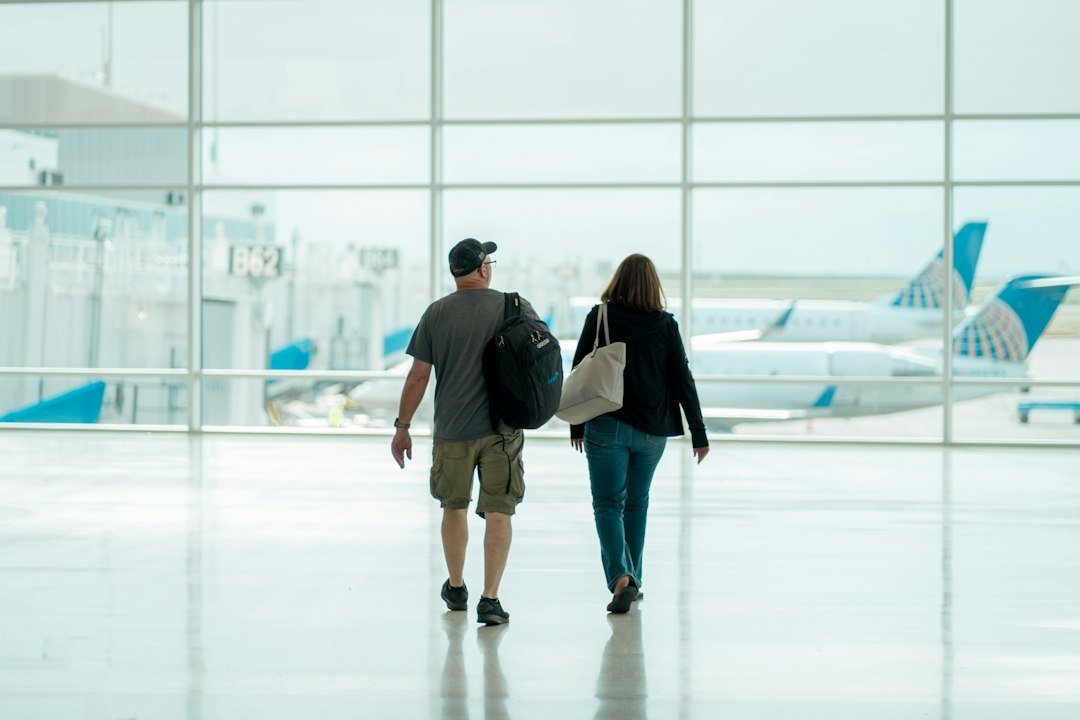
Getting to Monterrey: General Mariano Escobedo International Airport (MTY)
Monterrey's airport is General Mariano Escobedo International Airport (MTY), located about 15 km (9 miles) northwest of the city center in the municipality of Apodaca. It's served by major Mexican carriers (Aeroméxico, Volaris, VivaAerobus) plus US routes from American, United, and Southwest.
From the Airport to the City
Uber / InDriver (most convenient): Ride-hailing apps work well at MTY. Expect 20–35 minutes to downtown or San Pedro Garza García in normal traffic. This is the default recommendation for most travelers, especially those arriving with luggage or late at night.
Bus + Metrorrey (most economical): Take the Ruta Express bus or airport shuttle to a connection point for Metrorrey Line 1. The journey is longer but costs a fraction of a taxi. The flat Metrorrey fare is 5.50 MXN (~$0.28 USD).
Taxi (regulated): Fixed-rate taxis operate from the terminal. Agree on the fare before boarding, or use the licensed taxi booth inside arrivals.
Getting Around Monterrey
Monterrey has a two-line metro system called Metrorrey. For World Cup visitors, Line 1 (the east-west line) is the essential route — it runs from the western neighborhoods, through Centro and Fundidora, all the way east to Exposición station, your stop for the stadium. Line 2 intersects at Cuauhtémoc station for north-south travel.
The flat Metrorrey fare is 5.50 MXN (~$0.28 USD). Trains run roughly 5:00 am to midnight on weekdays, with reduced hours on weekends. Check the Metrorrey app or signage for current timetables.
Uber and InDriver are reliable for hops between neighborhoods, airport runs, and anything after midnight. Street taxis are best avoided — use app-based rides for price transparency and accountability.
How Do You Get to Estadio BBVA by Metrorrey?
The stadium transit route is straightforward:
- Take Metrorrey Line 1 east to the terminus at Exposición station.
- From the station, walk 10–12 minutes north through the pedestrianized Parque La Pastora corridor directly to the stadium's west gates.
- Total cost: 5.50 MXN (under $0.30 USD).
On match days, the route is well-signed and staffed. The park walk is pleasant and avoids road traffic entirely. Start early — trains and the walkway fill fast after the final whistle. Waiting 45–60 minutes at Parque La Pastora before heading back is a practical strategy.
Driving to the stadium is not recommended on match days — parking is limited and surrounding roads become gridlocked.
Staying Connected in Monterrey
Monterrey has strong 4G coverage across tourist neighborhoods, the stadium, and Parque Fundidora. International roaming costs can still add up fast over a multi-match trip.
If you're watching games in both Mexico and the US, the Airalo USA & Mexico Unlimited eSIM covers both countries on a single plan — no SIM swap at the border. As part of Airalo's World Cup 2026 promotion, the USA & Mexico Unlimited plan is 26% off through July 18, 2026. (Affiliate link — I may earn a commission at no extra cost to you.)
Install before you fly, activate on landing, and keep your home number active for calls and texts. For a full comparison of eSIM options across all three host countries, see our best eSIM for the 2026 World Cup guide. If you're crossing into Canada or the US for matches there too, check the no-SIM-swap multi-country World Cup plan for broader options.
Where to Stay: Neighborhoods Worth Knowing
Barrio Antiguo is the historic nightlife district just east of the Macroplaza — dense with bars, restaurants, and colonial architecture. It's lively, walkable, and the most culturally interesting place to be based during the tournament.
San Pedro Garza García is the upscale municipality southwest of downtown. It's considered the wealthiest per capita in Latin America, with luxury hotels, high-end dining, and direct road access toward the Sierra Madre. More tranquil than Barrio Antiguo but easy to reach by Uber.
Centro / Fundidora area places you near the Macroplaza, Paseo Santa Lucía, and the FIFA Fan Festival at Parque Fundidora — ideal if you want to walk to fan events and keep Metrorrey access central.
Guadalupe / Linda Vista is the area closest to Estadio BBVA itself — more residential and lower-cost, good for budget travelers who prioritize match-day convenience over nightlife.
Safety note: Nuevo León is rated Level 2 by the U.S. State Department — "Exercise Increased Caution." The tourist zones (Barrio Antiguo, Macroplaza, Paseo Santa Lucía, San Pedro Garza García) are considered safe for visitors. Use Uber over street taxis at all times, avoid inter-city road travel after dark, and stay in well-lit areas at night.
Things to Do in Monterrey
Monterrey rewards a day or two of exploration beyond the stadium. Verified highlights:
Macroplaza: One of the largest urban plazas in the world, flanked by the Palacio de Gobierno and the striking orange Faro del Comercio lighthouse monument. The heart of the city and a natural starting point.
Paseo Santa Lucía: A 2.5 km riverside walkway connecting the Macroplaza to Parque Fundidora — a pleasant flat walk with public art installations and cafés along the way.
Parque Fundidora: A 142-acre park built on the grounds of a former steel mill — one of the most atmospheric urban parks in Mexico. Home to the FIFA Fan Festival for the duration of the tournament. Free entry to the park; the Fan Festival itself is also free (no registration required, subject to capacity).
Cerro de la Silla: The iconic saddle-shaped mountain visible from almost everywhere in the city. Cable car access to a viewpoint, or a hikeable trail for the more adventurous — go early morning to beat the heat in June/July.
Museo de Historia Mexicana: Compact, well-curated overview of Mexican history from pre-Columbian times to the modern era. Located in the Macroplaza area, bilingual signage in many sections.
Monterrey and the 2026 World Cup
The Stadium
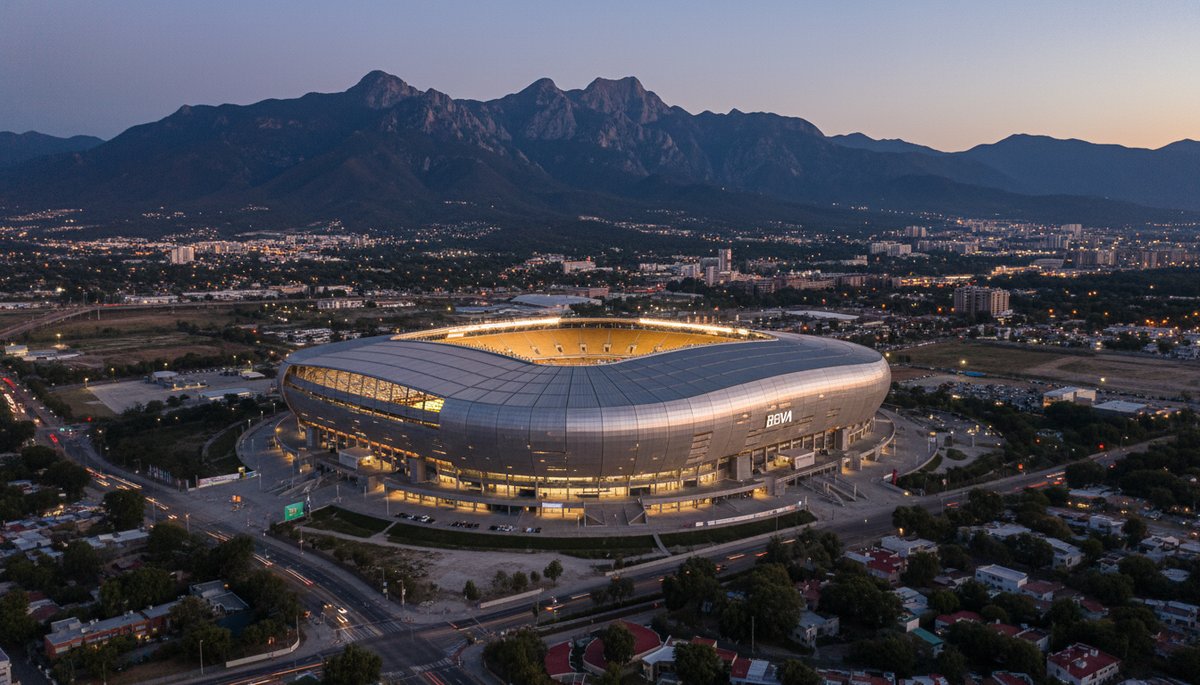
Monterrey's World Cup venue is Estadio BBVA — carrying the commercial sponsorship name since 2019, but officially designated Estadio Monterrey during the FIFA tournament. Located at Av. Pablo Livas 2011, La Pastora, Guadalupe — technically in the municipality of Guadalupe, not the city of Monterrey itself — it opened in August 2015 and serves as the home of Club de Fútbol Monterrey (Rayados). Capacity is approximately 53,500. The striking design puts the Sierra Madre Oriental mountains in direct view behind the open east end — a backdrop unlike any other World Cup stadium.
FIFA has confirmed Monterrey hosts four matches in 2026:
| Date | Match | Group/Round |
|---|---|---|
| June 14 | Sweden vs Tunisia | Group F |
| June 20 | Tunisia vs Japan | Group F |
| June 24 | South Africa vs South Korea | Group A |
| June 30 | Round of 32: Netherlands vs. Morocco | Knockout |
The June 20 fixture (Tunisia vs Japan) is slated to be the 1,000th match in FIFA World Cup history — a statistical milestone that adds an extra dimension to attending or watching that game.
FIFA Fan Festival: Parque Fundidora
The official FIFA Fan Festival™ Monterrey is set in Parque Fundidora — the 142-acre former steel mill park in the Fundidora neighborhood. The festival runs for 39 days, from June 11 through July 19, 2026, with free entry (no registration, subject to capacity). Expect big-screen match broadcasts, live music, food stalls, and official FIFA activations. Given the park's industrial-heritage setting and mountain backdrop, this is one of the more atmospheric Fan Festival venues in the entire tournament.
Getting There on Match Day
Use Metrorrey Line 1 to Exposición station, then walk through Parque La Pastora (10–12 minutes, fully pedestrianized). Gates typically open 2–3 hours before kickoff. Given June/July temperatures of 33–35°C, wear lightweight, breathable clothing, bring sunscreen, and carry water for the walk in and out. The post-match Parque La Pastora wait is comfortable — there's shade and space to spread out.
Before You Go: Quick Logistics
Entry Requirements: FMM / FMMD
US citizens (and most Western nationalities) enter Mexico visa-free for stays up to 180 days. What you do need is the immigration entry form:
- By air: The FMMD (Forma Migratoria Múltiple Digital) is completed online before or at arrival at any of Mexico's 66 international airports. The fee is included in your airline ticket price. You may be directed through a self-service E-Gate that prints a QR receipt.
- By land: Complete the paper FMM at the border crossing. Keep the stamped copy — you'll need to surrender it when you exit.
Important: Carry your stamped FMM/FMMD with your passport at all times during your stay. Losing it can complicate your exit.
Summer Heat in June and July
Monterrey's summers are intense. June daytime highs average around 33°C (91°F); July pushes to 35°C (95°F). Humidity sits around 58%, and direct sun exposure can push the felt temperature significantly higher. The UV index in July averages 7 (High).
Practical steps: wear lightweight, light-colored fabrics; apply SPF 30+ sunscreen before any outdoor activity; keep a reusable water bottle on you; and plan outdoor sightseeing in the morning or late afternoon, not midday. Brief afternoon rain showers are common in July but usually pass quickly.
Currency and Language
Mexican pesos (MXN). Use ATMs inside bank branches rather than standalone machines. Major hotels and restaurants in San Pedro accept USD and cards widely, but carry some cash for street food, Metrorrey, and markets. Spanish is essential; most hotel and tourist-area staff speak some English, but a few basic phrases go a long way in local neighborhoods.
For the full picture on moving between Mexico's three host cities and across the border into the US, see our World Cup 2026 host cities travel guide. If you're also attending matches in Mexico City or Guadalajara, plan your intercity bus or flight connections early — popular departure times sell out weeks ahead.
Ready to lock in your connectivity before you fly? The Airalo USA & Mexico Unlimited eSIM covers both Mexico and the US on a single plan — no SIM swap at the border. (Affiliate link — I may earn a commission at no extra cost to you.)
Frequently Asked Questions
Which stadium hosts World Cup 2026 matches in Monterrey?
How do you get to Estadio BBVA by Metrorrey?
Is Monterrey safe for tourists during the 2026 World Cup?
How hot is Monterrey during the World Cup in June and July?
Do US citizens need a visa or tourist card for Monterrey?
You Might Also Like

Travel & Remote Work Briefing — October 4, 2026
Travel & Remote Work Briefing — October 3, 2026
Travel & Remote Work Briefing — October 2, 2026