Mexico City Digital Nomad Guide 2026: Cost, Areas & Visa
Mexico City Digital Nomad Guide 2026: Cost, Areas & Visa
Mexico City — CDMX — is one of the most established digital-nomad bases in the Americas: a huge, walkable city with a dense café-and-coworking scene, a cost of living well below most US or European cities, and a time zone (Central Time, the same as Chicago) that overlaps neatly with US business hours.
Quick Answer: CDMX works well for remote workers who base themselves in Roma Norte, Condesa, or Juárez — three connected, walkable neighborhoods with the city's best coworking and café density. Budget roughly $1,500–$2,500/month for a comfortable lifestyle, expect a short altitude-adjustment period, and know that tourist entry tops out at 180 days — longer stays require a Temporary Resident Visa applied for before you arrive.
Disclosure: This post contains affiliate links. If you make a purchase through these links, we may earn a small commission at no extra cost to you. We only recommend products we genuinely believe in.
Getting to Mexico City: MEX or Felipe Ángeles (NLU)?
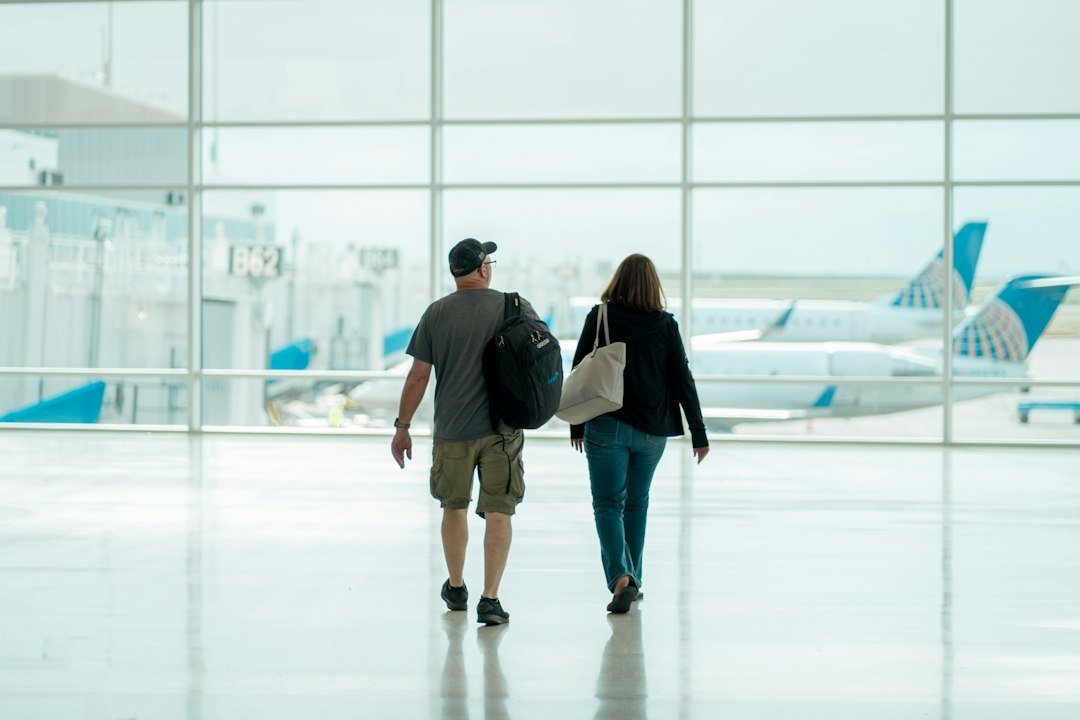
Most travelers fly into Mexico City International Airport (MEX, also called Benito Juárez International or AICM), about 5 km east of the historic center. It has two terminals — Terminal 1 for most carriers, Terminal 2 for SkyTeam partners like Aeroméxico and Delta — connected by the free automated Aerotrén shuttle.
From MEX into the city, you have three practical options: Metro Line 5 (Terminal Aérea station, outside Terminal 1) is the cheapest at a flat 5 MXN fare, but the station has no escalators or elevators, so it suits light packers only. Metrobús Line 4 runs express to downtown stations for a modest fare, is far more luggage-friendly, and takes roughly 30–45 minutes. Uber or DiDi are the default choice for a full pack or a late-night arrival, running about 20–30 minutes to Roma Norte or Condesa in normal traffic. As with all local fares, treat these as directional — verify current pricing before you fly.
A second option, Felipe Ángeles International Airport (NLU), sits roughly 45 km north of downtown in Santa Lucía and handles some domestic and budget carriers. It can be worth checking for fare differences, but the transfer into the city is meaningfully longer — a Mexibús connector bus runs about an hour without traffic, and the rail alternative involves transfers — so most remote workers are better served flying into MEX unless a specific route makes NLU clearly cheaper.
Where Should Digital Nomads Stay in Mexico City?
Roma Norte is the default base for most first-time nomads: it has the city's highest concentration of coworking spaces and laptop-friendly cafés, sits on Metro Line 1 (Insurgentes station), and is dense with restaurants. The trade-off is noise — bars along streets like Álvaro Obregón and Orizaba run late Thursday through Saturday.
Condesa, right next door, is calmer and greener, built around the leafy Parque México and Parque España, and tends to run somewhat pricier than Roma Norte. Juárez, between Roma Norte and the historic center along Paseo de la Reforma, is quieter and typically more affordable than either, with solid metro access and a fast-growing restaurant and gallery scene; it's also known as one of the city's LGBTQ+-friendly hubs. All three sit close enough together that switching bases mid-stay is easy.
How Do You Get Around Mexico City?
CDMX runs one of the world's largest urban Metro systems — 12 color-coded lines and around 195 stations on a flat fare, unchanged going into 2026, that's a small fraction of a US dollar per ride. Trains run roughly 5 am to midnight. Every station has its own icon, so the system is navigable even without Spanish.
For gaps the Metro doesn't cover, the Metrobús bus-rapid-transit network runs dedicated lanes on major corridors. Uber and DiDi are widely used and generally the better choice at night or when trains have stopped running. Central Roma Norte, Condesa, and Juárez are all genuinely walkable day to day, which is a big part of why they're popular nomad bases.
Is Mexico City Safe for Digital Nomads?
The U.S. State Department currently rates all of Mexico, including Mexico City, at Level 2 — "Exercise Increased Caution" — the same tier as many popular European destinations, with the specific note that both violent and non-violent crime occur in the city and extra caution is warranted outside frequented tourist areas, especially at night. Roma Norte, Condesa, Juárez, and Polanco are among the more tourist- and expat-frequented, better-patrolled parts of the city.
Ordinary big-city precautions apply: use Uber, DiDi, or a dispatched taxi rather than hailing one on the street, particularly after dark; keep bags close and zipped on the Metro; and avoid traveling between cities at night. This isn't a "totally safe" claim — it's a genuinely large, varied city — but the neighborhoods nomads gravitate toward are among its safer ones.
When's the Best Time of Year to Work Remotely From Mexico City?
CDMX has a dry season from roughly November through April and a rainy season from May through October. Dry-season days are typically sunny and cool with low humidity — winter highs run roughly in the mid-60s to low-70s°F (high teens to low 20s°C) — which makes it the most popular stretch for outdoor exploring. Rainy season usually means a short, predictable afternoon downpour with clear mornings, and it tends to be quieter and slightly cheaper for accommodation.
One thing that applies year-round: Mexico City sits at 2,240 m (about 7,350 ft), roughly 25% less oxygen than sea level, according to the city government's own travel guidance. Many visitors feel nothing; others get mild headaches or fatigue in the first 12–24 hours before adjusting over one to three days. If you're moving here for months rather than days, ease into the first week — hydrate, skip heavy exercise on day one, and go light on alcohol.
How Much Does It Cost to Live in Mexico City as a Digital Nomad?
Budgets vary a lot by lifestyle, but recent nomad cost-of-living guides consistently land in a similar range: roughly $1,500–$2,500/month for a comfortable, non-luxury lifestyle in a central neighborhood, covering rent, food, transit, and a coworking membership. A furnished one-bedroom in Roma Norte, Condesa, or Juárez typically runs somewhere around $800–$1,500/month, with Juárez generally the more affordable of the three and short-term furnished listings costing noticeably more than a longer lease.
Treat all of these as rough planning ranges, not quotes — check current listings before you commit. It's also worth knowing why the ranges keep drifting upward: demand from remote workers has been a real driver of rent increases in these specific neighborhoods since 2020 (more on that below), so budgeting on the higher end and confirming current prices is the safer approach.
Where Can You Work? Coworking, Cafés, and Staying Connected
Roma Norte, Condesa, and Juárez between them have the city's densest cluster of coworking spaces and cafés set up for laptop work. Público, a Mexico City–based coworking brand, runs several locations across Roma Norte, Condesa, Juárez, and Polanco, offering both open desks and private offices. WeWork also operates multiple Mexico City locations. Expect coworking day passes and monthly memberships priced in pesos, so budget a few hundred dollars a month for an unlimited desk and check current rates given exchange-rate swings — and read pricing on the operator's own site rather than a secondhand listing.
For connectivity, local 4G/LTE coverage is strong across these neighborhoods, but international roaming can get expensive fast. An eSIM is the simplest fix: install it before you fly and activate on landing, no physical SIM swap required. Airalo sells a Mexico eSIM on the Telcel network alongside combined US-and-Mexico plans, handy if you're splitting time between the two countries — see our comparison of the best international eSIMs for other options, or check current Mexico plans and pricing directly through the Airalo Mexico eSIM. (Affiliate link — we may earn a commission at no extra cost to you.)
How Long Can You Stay? Visas for Remote Workers in Mexico
Most nationalities, including US, Canadian, and EU passport holders, can enter Mexico as tourists on a Forma Migratoria Múltiple (FMM) for up to 180 days, per Mexico's National Immigration Institute (INM). In practice, the number of days stamped in your passport is what governs your legal stay — immigration officers have discretion to grant fewer than the maximum, so check your entry stamp rather than assuming you automatically got six months.
Mexico doesn't have a dedicated "digital nomad visa." The standard route for a longer, legal stay is the Temporary Resident Visa, which you apply for at a Mexican consulate in your home country before traveling — it can't be converted from a tourist entry once you're already in Mexico. It requires proof of sufficient monthly income or savings; the exact dollar threshold is set per consulate using Mexico's UMA formula and varies by consulate and exchange rate, with recent reporting suggesting a range roughly in the low thousands of dollars per month in provable income. Income generally needs to originate outside Mexico. The visa is typically granted for up to a year and renewable. Immigration rules and thresholds change — this isn't legal advice, so confirm current requirements directly with your nearest Mexican consulate before applying.
A Note on Gentrification: Being a Considerate Long-Term Guest
It's worth saying plainly: the surge of foreign remote workers into Roma Norte, Condesa, and nearby neighborhoods has real costs for the people who already live there, and it's become a genuinely sensitive local issue. Research published in the academic journal EURE found that Airbnb-style listings across Condesa, Roma Norte, Roma Sur, and Hipódromo grew by roughly 74% between 2019 and 2023, and long-time residents in these neighborhoods report being priced out as rents have climbed. In July 2025, thousands marched through Roma and Condesa against gentrification and mass tourism; a small number of incidents targeted foreign-owned businesses, which President Claudia Sheinbaum publicly condemned as xenophobic while acknowledging the underlying housing pressure is real. Mexico City has since tightened its rules on short-term rentals, including an October 2024 law capping listed properties at 180 rental nights a year and requiring hosts to register.
None of this means nomads aren't welcome — but it's worth basing yourself here thoughtfully: consider a longer lease over a short-term listing where you can, learn some Spanish, spend at neighborhood businesses, and remember that the place you're passing through for a few months is someone else's permanent home.
Beyond Work: Food, Culture, and Things to Do
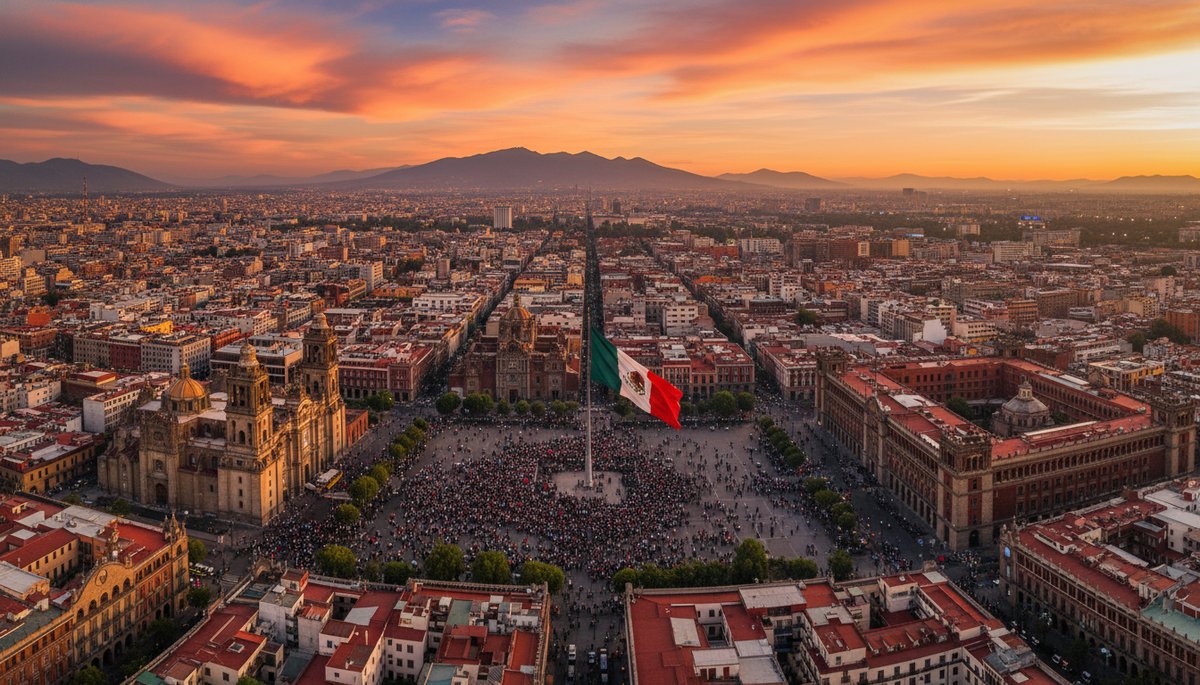
You could spend months exploring without repeating yourself. The Zócalo and surrounding Centro Histórico anchor the city's colonial core, with the Metropolitan Cathedral and Templo Mayor ruins on the square. Chapultepec Park, one of the largest urban parks in the world, holds the National Museum of Anthropology, one of the best archaeology museums in the Americas. The Frida Kahlo Museum in Coyoacán draws long lines and sells out online well in advance. Just outside the city, the Teotihuacán pyramids are a UNESCO World Heritage site reachable by day tour or bus, and Xochimilco's canal network is a lively half-day trip on a colorful trajinera boat.
Is Mexico City Good for Digital Nomads? The Verdict
Pros: an enormous, walkable café-and-coworking scene concentrated in a few connected neighborhoods; a cost of living meaningfully lower than most US or European cities; a US-friendly time zone; strong flight connectivity across the Americas; and one of the world's great food and culture scenes on your doorstep.
Cons: a real altitude-adjustment period; the normal safety awareness any large capital city requires; a cost of living that's risen quickly in the exact neighborhoods nomads prefer; genuine local frustration with gentrification that's worth taking seriously; and immigration rules — tourist stays and visa income thresholds — that are specific, changeable, and worth confirming directly rather than trusting a blog post (including this one).
For most people weighing a first Latin America base, CDMX is a strong pick — as long as you arrive with a realistic budget, a plan for legal status if you're staying past a tourist entry, and some awareness of the neighborhood you're moving into. If you're comparing it against other options, see our remote-worker's overview of other major hub cities, our broader guide to traveling between major hub cities in the Americas, or how CDMX compares to a base like Los Angeles.
Frequently Asked Questions
Is Mexico City good for digital nomads?
Which airport should digital nomads use for Mexico City?
What's the best neighborhood in Mexico City for remote workers?
How long can digital nomads stay in Mexico City without a visa?
How much does it cost to live in Mexico City as a digital nomad?
You Might Also Like

Travel & Remote Work Briefing — October 4, 2026
Travel & Remote Work Briefing — October 3, 2026
Travel & Remote Work Briefing — October 2, 2026