
What CNT's November Hotspots Mean for Nomad Base Plans
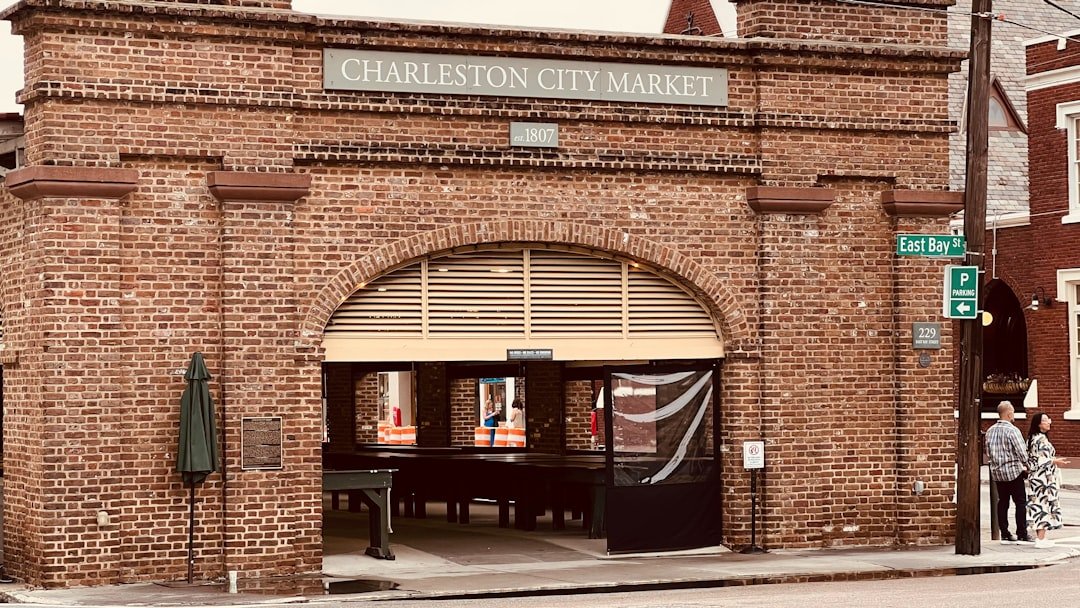
Condé Nast Traveler's latest November travel roundup names five destinations built around new hotel openings, mild-weather windows and buzzy restaurant scenes: Charleston, South Carolina; the Salar de Uyuni salt flats near Potosí, Bolivia; Brussels, Belgium; the Bazaruto Archipelago and Vilanculos in Mozambique; and Adelaide, Australia.
For anyone weighing where to spend the last stretch of 2026 while still working, we found the more useful question is which of those five destinations can actually double as a work base for a few weeks, and which only make sense as a side trip.
Brussels sits inside the Schengen Area, where visa-exempt travelers, including US citizens, get a maximum of 90 days within any rolling 180-day window, counted across all Schengen countries combined rather than per country. The EU's Entry/Exit System has enforced that limit digitally since it became fully operational in April, according to Schengen Traveler. A few work weeks in Brussels this quarter draw down the same allowance as any other Schengen stop on your calendar.
Adelaide carries a similar catch. Australia has no dedicated digital nomad visa; most remote workers rely on the Visitor visa (subclass 600), good for stays of three, six or 12 months, which generally allows remote work for a foreign employer as long as tourism stays the stated purpose — working for an Australian business isn't permitted on it, according to Citizen Remote. CNT's new-hotel hook for Adelaide — the 238-room Little National opening in September and Crystalbrook Sam in December, alongside an AU$500 million expansion doubling the size of the city's Central Market — makes the case for a longer stay, but the legal footing is grayer than a straightforward vacation.
The other three lean the other way. Charleston needs no visa math for US-based workers, and CNT's picks there — new restaurants Bareo, Kaia and The Crossing, plus the Nov. 6-15 Literary Festival — read as a normal city stay rather than a remote-work pitch. The Bazaruto Archipelago and Vilanculos, where lodge Sussurro just added a family suite, and the Uyuni salt-flat region around Potosí, where CNT highlights a new boutique museum-hotel, Casa Gastón, are remote enough — and thin enough on coworking infrastructure — that CNT's own coverage leans on scenery and rainy-season salt-flat reflections rather than desks or Wi-Fi.
What This Means for Remote Workers and Nomads Picking a Base for Late 2026
Treat CNT's list as two different trip types, not one. Brussels and Adelaide can anchor real work weeks if you build the visa clock into the plan — the shared 90-day Schengen pool for Brussels, and the same-purpose test for Adelaide's Visitor visa. Charleston is the low-friction option for US-based workers who want new restaurants and festival crowds without any of that math. Save Uyuni's salt flats and Mozambique's beaches for the offline week you tack onto one of those bases, not the place you try to hold client calls from. For a broader checklist of what to line up before committing to any new base, see our rundown of skills digital nomads should have dialed in before 2026.
Sources
Condé Nast Traveler, "The Best Places to Visit in November for New Hotels, Nice Weather, and Great Eats" — https://www.cntraveler.com/gallery/best-places-to-travel-november — accessed 2026-08-13
Schengen Traveler, "Schengen 90/180-Day Rule 2026 | How It Really Works" — https://schengentraveler.com/90-180-day-rule/ — accessed 2026-08-13
Citizen Remote, "Australia Digital Nomad Visa (Remote Work Visa): Requirements" — https://citizenremote.com/visas/australia-digital-nomad-visa/ — accessed 2026-08-13
You Might Also Like
Travel + Remote Work Briefing — October 22, 2026
Travel + Remote Work Briefing — October 21, 2026
Travel + Remote Work Briefing — October 20, 2026