
How to Start a Travel Blog That Actually Makes Money in 2026

How to Start a Travel Blog That Actually Makes Money in 2026
You've been posting trip photos on Instagram for years. Friends keep telling you "you should start a blog." Maybe you've even tried once — set up a free WordPress.com site, wrote three posts, and watched them collect dust with zero readers.
Here's the thing: starting a travel blog that actually makes money in 2026 is completely different from what it was five years ago. The barrier to entry is lower, the monetization options are broader, and the tools are dramatically better. But the bloggers who earn real income aren't doing what most people think.
This guide walks you through every step — from choosing a platform to publishing your first monetized post — with a focus on keeping costs low enough that you can do it from a hostel in Lisbon or a cafe in Chiang Mai.
Disclosure: This post contains affiliate links. If you make a purchase through these links, I may earn a small commission at no extra cost to you. I only recommend tools I've personally used and trust.
Why 2026 Is a Good Year to Start a Travel Blog
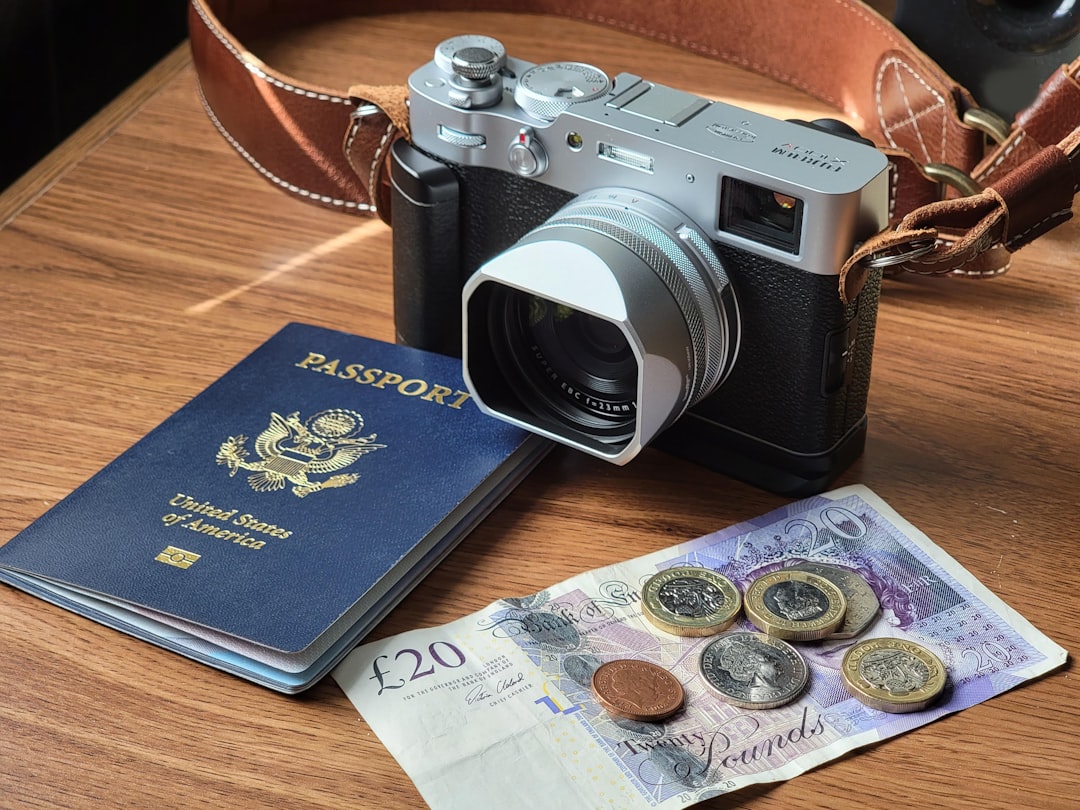
The travel content market isn't saturated — it's fragmented. Most travel blogs publish generic "top 10 things to do" listicles that read like they were copied from a tourism board website. Readers are hungry for real, personal, budget-conscious travel advice.
What's changed recently:
AI tools handle the tedious parts (image editing, SEO optimization, social scheduling) so you can focus on writing
Affiliate programs in the travel space have expanded significantly, with networks like Impact.com opening access to hundreds of travel brands
Short-form video drives traffic to blogs in ways that weren't possible before 2023
Hosting costs have dropped to under $3/month for quality providers
The bloggers earning $1,000-5,000/month aren't necessarily the ones with the most traffic. They're the ones who picked a clear niche, built trust with a specific audience, and chose the right monetization mix.
Pick a Niche That's Specific Enough to Win
"Travel blog" is not a niche. Neither is "budget travel." You need to go narrower.
Strong travel blog niches for 2026:
Digital nomad life in specific regions (Southeast Asia, Latin America, Eastern Europe)
Solo female travel on a budget
Working holiday visa guides and experiences
Adventure travel for people who aren't athletes
Family travel with remote-working parents
The test is simple: can you describe your ideal reader in one sentence? "Budget-conscious remote workers in their 20s and 30s looking for destination guides with coworking and visa info" is a niche. "People who like to travel" is not.
Your niche should overlap with topics you genuinely know and care about. If you're already turning your skills into online income while traveling, a blog about that specific lifestyle is going to be more authentic than a generic destination guide.
Choose Your Hosting and Platform
This is where most beginners overthink things or overspend. You need two things: a domain name and hosting.
Self-hosted WordPress.org remains the standard for travel blogs that want to monetize. It gives you full control over your site, access to thousands of plugins, and the ability to run ads and affiliate links without restrictions.
For hosting, Hostinger is the most budget-friendly option that doesn't sacrifice speed. Their plans start under $3/month, include a free domain name for the first year, and come with a website builder if you'd rather skip WordPress entirely. For a traveler watching their budget, that's hard to beat — and if you want even more ways to save thousands on travel in 2026, every dollar you keep on startup costs matters.
Your setup checklist:
Buy a domain that's short, memorable, and includes a travel-related word
Choose hosting (shared hosting is fine to start)
Install WordPress (one-click install on most hosts)
Pick a lightweight theme (Astra or Kadence — both free)
Install essential plugins: Yoast SEO, a caching plugin, and an image optimizer
Skip the premium themes and fancy plugins for now. You can upgrade later when revenue justifies the cost.
Plan Your First 10 Posts Strategically
Don't just write whatever comes to mind. Your first 10 posts set the foundation for your blog's SEO and your audience's expectations.
A smart first-10 mix:
3 destination guides for places you know well (long-form, 2,000+ words)
2 "how-to" posts related to your niche (gear guides, visa processes, budget breakdowns)
2 personal experience posts (what went wrong, what surprised you, honest reviews)
2 resource posts (best apps for X, packing lists, cost comparisons)
1 pillar post that defines your niche and links to the others
Each post should target a specific keyword phrase. Use free tools like Google's autocomplete, AnswerThePublic, or Ubersuggest's free tier to find what people actually search for. Write the post that answers the question better than what's currently ranking.
Tip: Before writing, search your target keyword and read the top 5 results. Note what they cover. Then write something that's more detailed, more personal, or more current.
Create Engaging Visual Content

Travel is inherently visual. Blogs with strong images and video get more shares, longer reading times, and higher ad revenue.
You don't need a $3,000 camera. A recent smartphone and the right editing tools are enough to start. CapCut is a free, mobile-friendly video editor that's surprisingly powerful — CapCut is a great free option for beginner creators who want to make short-form video content without a learning curve.
Visual content that drives traffic:
Pinterest pins from your blog posts (Pinterest is the #1 traffic source for many travel bloggers)
Short-form videos (Instagram Reels, TikTok, YouTube Shorts) that tease your blog content
Before/after or comparison photos in your posts
Infographics summarizing key data (budget breakdowns, packing lists)
If you're already skilled with a camera, you can make money from your travel photography as a separate income stream alongside your blog. And if you want to showcase your visual work beyond the blog, consider building a dedicated travel portfolio website to attract freelance clients too.
Monetize With the Right Mix
Here's where most travel blogging advice falls apart. People fixate on one revenue stream instead of building a portfolio. The bloggers earning consistent income typically combine several sources.
Affiliate marketing is the fastest path to first revenue. You recommend products and services you actually use, include tracking links, and earn a commission when readers buy. Travel affiliates include booking platforms, gear brands, travel insurance, eSIM providers, and online course platforms. You can start applying to affiliate programs on day one.
Display ads require traffic — most networks want 10,000-50,000 monthly sessions before they'll accept you. But once you qualify, ads generate passive income on every page view. Mediavine and Raptive are the top-tier options for travel bloggers.
Sponsored content becomes available once you have an established audience. Brands pay $200-2,000+ per post depending on your reach and niche authority.
Digital products — travel planning templates, destination guides, photography presets — offer the highest margins but require the most upfront work.
The realistic timeline: Most travel bloggers see their first affiliate commission within 1-3 months, meaningful ad revenue by month 6-12, and a sustainable income ($1,000+/month) by month 12-24. The ones who build the essential skills every digital nomad needs tend to get there faster.
Write Consistently, Even When Nobody's Reading

The hardest part of travel blogging isn't the writing or the tech setup. It's publishing consistently during the months when your analytics dashboard shows single-digit visitors.
Commit to a schedule you can maintain. Two posts per week is ideal. One per week is the minimum. Anything less and search engines take longer to trust your site.
Write in batches when you have stable internet and downtime. Many travel bloggers draft 3-4 posts during transit days or rainy afternoons, then schedule them throughout the week.
Tip: Keep a running list of post ideas in your phone's notes app. Every question a fellow traveler asks you, every hostel conversation about "how did you find that deal?" — that's a blog post waiting to happen.
What to Do in Your First 90 Days
Here's your action plan:
Days 1-7: Set up hosting, install WordPress, choose a theme, write your "about" page and first pillar post.
Days 8-30: Publish 6-8 posts targeting specific keywords. Set up Pinterest and create pins for each post. Apply to 3-5 affiliate programs relevant to your niche.
Days 31-60: Continue publishing twice weekly. Start creating short-form video content. Engage in travel communities on Reddit and Facebook (share value, not links). Monitor which posts get the most search impressions in Google Search Console.
Days 61-90: Double down on what's working. Pitch your first sponsored post if you have traction. Optimize your top-performing posts with better images and updated information. Start building an email list.
The bloggers who start a travel blog that makes money in 2026 won't be the ones with the fanciest websites. They'll be the ones who picked a clear niche, published consistently, and treated their blog like a business from day one — even when they were writing from a hammock in Bali.
Frequently Asked Questions
Can you really make money from a travel blog in 2026?
What's the best niche for a new travel blog?
How much does it cost to start a travel blog?
Should I use WordPress or a free blogging platform?
What makes travel blogs successful in 2026?
You Might Also Like

Mainstream Travelers Squeeze Into Nomad Budget Lane
Global Entry's Mobile App Is Being Replaced: What Nomads Need to Know

Wealthy Travelers Are Colonizing Fall — What It Means for Remote Workers' Shoulder-Season Deals