Kotor, Montenegro Guide: Dubrovnik's Quieter Rival
Kotor, Montenegro Guide: Dubrovnik's Quieter Rival
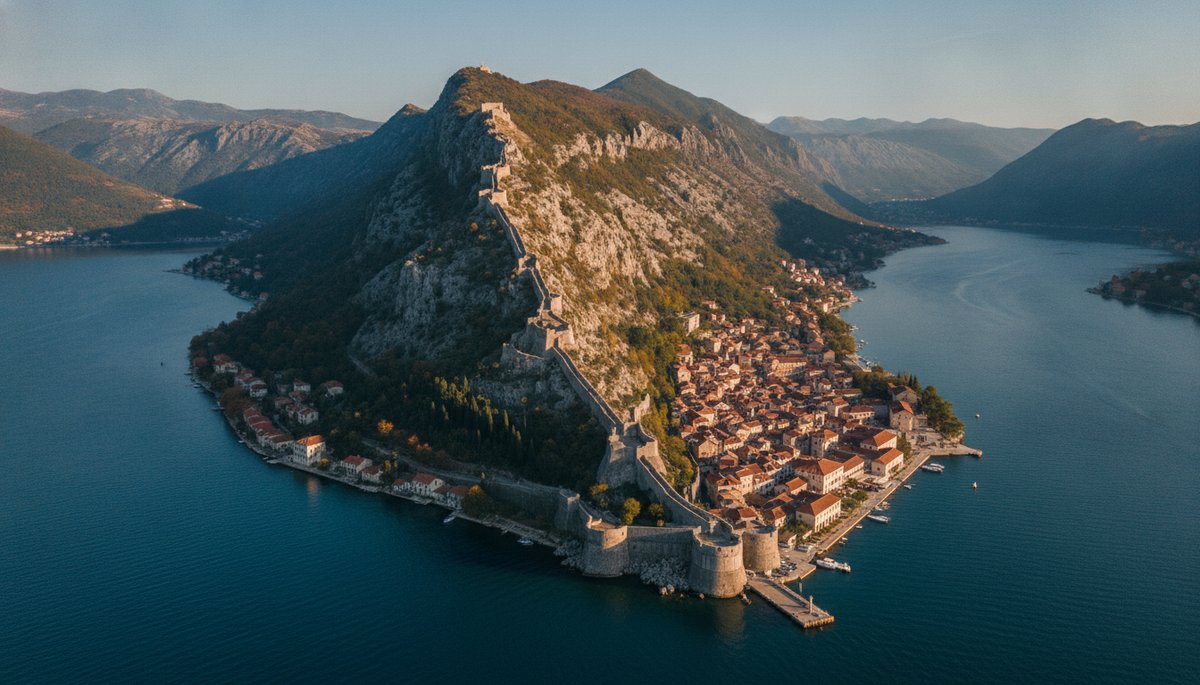
Walled medieval town, mountain fortress, a bay that looks like a fjord, and a fraction of the Dubrovnik headache. That is the pitch for Kotor, and it mostly holds up. This guide covers what to do, how to get there from Dubrovnik, when to go (October is a good time right now), and whether it works as a scenic, lower-cost base for remote work.
Quick Answer: Kotor is worth visiting for its UNESCO-listed Old Town, the climb to San Giovanni Fortress, and boat trips to Perast and Our Lady of the Rocks. Plan two to three days, go in the shoulder season (May to June or September to October), and fly into Tivat or take the bus from Dubrovnik. It is quieter than Dubrovnik but not empty, so go early and avoid cruise-ship hours.
Is Kotor worth visiting?
Yes, if you want a compact old town with real scenery around it. Kotor sits at the end of the Bay of Kotor, backed by steep mountains, and you can cover the main sights on foot. The wider Bay of Kotor region was inscribed by UNESCO in 1979, and after a serious earthquake that year its main monuments were restored under UNESCO's auspices (UNESCO).
The honest caveat is crowds. Kotor is small, and cruise ships dock right next to the Old Town. One report on Kotor's cruise tourism cited about 500 ship calls expected in 2024 and a single August day with four ships and roughly 5,000 visitors (Travel Tomorrow). Quiet, in other words, depends on when you walk the streets.
Kotor or Dubrovnik?
Pick Dubrovnik for the bigger set pieces and easier access; pick Kotor for a smaller, less intense version of the same walled-Adriatic experience. Both are UNESCO-listed and both deal with cruise crowds, but they handle it differently. Dubrovnik has capped cruise arrivals at two ships a day, while a recent search found no formal daily cap reported for Kotor (check locally, as this may change).
| Kotor (Montenegro) | Dubrovnik (Croatia) | |
|---|---|---|
| UNESCO listing | Bay of Kotor region, inscribed 1979 | Old City, inscribed 1979 |
| Schengen area | No, Montenegro is outside it | Yes, Croatia is in it |
| Cruise crowd management | No formal daily ship cap found at time of writing | Cap of two cruise ships a day |
| Signature climb | San Giovanni Fortress, about 1,350 steps | City walls walk |
| Nearest airport | Tivat, about 10 km away | Dubrovnik's own airport |
| Boat day trips | Perast, Our Lady of the Rocks, Blue Cave | Island and coastal trips |
These rows reflect public reporting and policies can change, so verify before you book. The practical difference: Kotor puts the bay itself in the frame, with Perast and the islands a short boat ride away.
How to get from Dubrovnik to Kotor
Take the direct bus: it is about 92 km and typically takes 2.5 to 3.5 hours, mostly depending on the border. Tickets are around €28 to €33 in one recent traveler guide, with small luggage fees on top, so check current fares. Buses leave from Dubrovnik's Gruz station, which you can reach from the Old Town by city bus or a short taxi ride (Sunshine Seeker).
At the Karasovici-Debeli Brijeg crossing, passengers get off the bus twice, once for Croatian exit and once for Montenegrin entry, and you need your passport or national ID card. In October that took just over an hour for one traveler; in peak summer, reported waits stretch to two or three hours (An Adventurous World). Book ahead outside the low season.
If you are flying in directly, Tivat airport is roughly 10 km from Kotor, about a 15 to 20 minute taxi ride, and local buses run to town (Hostelz listing). Having trouble with a European flight? See our guide to your passenger rights when European flights go wrong.
When is the best time to visit Kotor?
May to June and September to October are the sweet spots: warm enough for the bay, cooler for the fortress climb, and fewer people than July and August. Averages from a climate site put September highs in the mid-20s Celsius and October highs in the high teens, with sea temperatures still around 21 to 23°C (Weather2Travel). Rain is heaviest in November and December, so late October is the edge of the window.
Since it is October now, a trip in the next few weeks is realistic: pack a light rain layer and expect shorter days. Fortress gate hours also change by season, so check the current times locally.
What are the best things to do in Kotor?
Kotor Old Town. A maze of lanes and small squares inside the walls. It is easy to get lost, which is half the point. Go first thing or after the day-trippers leave.
San Giovanni (St John's) Fortress. The classic climb is roughly 1,350 stone steps gaining about 280 metres, taking around 45 to 60 minutes up (Easy Balkan Transfers). There is a per-person fee at the gate; amounts change, so check the current figure. Bring water: that guide reports no water points on the route and little shade on the upper sections.
Perast and Our Lady of the Rocks. Perast is a small baroque town further up the bay, and Our Lady of the Rocks is a church on an artificial island just offshore, which according to legend was built up by sailors dropping a rock each time they returned safely. Boat tours from Kotor typically combine it with the Blue Cave for a swim stop and run about three hours; group tours start around €45 on booking sites, while private tours start around €300 per boat (Musement).
How many days in Kotor?
Two to three days is the right amount. Two days covers the Old Town, the fortress and a boat trip; three lets you add a slower stop in Perast or a rest day. A day trip from Dubrovnik is possible but the border time makes it a long, rushed day.
- Day 1: Fortress climb early, then the Old Town, then a long lunch.
- Day 2: Morning boat tour (Perast, Our Lady of the Rocks, Blue Cave), then an easy afternoon on the waterfront.
- Day 3 (optional): Perast on foot or by local bus, or simply a slow day in a cafe.
Is Kotor safe? A few practical notes
Kotor is a normal, well-visited tourist town, and the risks are mostly ordinary ones. UK government advice notes that pickpockets operate in tourist hot spots and on public transport in Montenegro, so keep bags zipped when cruise crowds are in (GOV.UK).
- The fortress steps are uneven and can be slick, especially on the way down. Wear proper shoes and start early.
- Roads are narrow and busy. The same advice describes coastal roads as heavily congested in summer and traffic as fast and chaotic, and Old Town parking is limited. Buses and boats are easier than driving.
- Hiking off marked paths needs local advice and a charged phone. The emergency number is 112.
- Registration: visitors must register with local authorities within 24 hours. Hotels usually do this; if you rent privately, handle it yourself (GOV.UK).
Can you work remotely from Kotor?
You can, with realistic expectations. One Europe-focused remote-work guide describes 50 to 100 Mbps in urban areas of Montenegro but patchy connections outside towns, and estimates a single remote worker's monthly spend at roughly €1,200 to €2,200 (Remote Work Europe). Treat that as one estimate, not a quote: coastal rents spike in summer, and the shoulder season is when a scenic base gets cheaper.
For longer stays, Montenegro's government adopted a programme to attract digital nomads in December 2021, which included legal changes recognising them (Government of Montenegro). Rules and tax treatment have been changing, and we could not confirm what applies after 2026, so check with the Montenegrin authorities before planning past 90 days. Our digital nomad visa tracker covers other countries, and the EU Entry/Exit System guide for nomads is useful because Montenegro's days do not count toward Schengen limits, while Croatia's do. For other low-cost scenic bases, see the cheapest places to work remotely.
On connectivity, a local eSIM saves roaming costs; Airalo's Montenegro eSIM runs on the MTEL network.
Disclosure: This section contains an affiliate link. If you buy through it, we may earn a small commission at no extra cost to you.
The bottom line
Kotor is not a secret, but it is a smaller, calmer take on the Dubrovnik formula, and the bay is the real prize. Go in the shoulder season, climb the fortress at opening time, take one boat trip, and use buses instead of a car. Then decide if you want to stay longer.
Next step: pick two or three days in the next few weeks, check the bus times from Dubrovnik or flights into Tivat, and book the boat trip a day or two ahead.
Frequently Asked Questions
Is Kotor worth visiting?
How many days do you need in Kotor?
Is Kotor or Dubrovnik better?
How do you get from Dubrovnik to Kotor?
Do you need a visa for Montenegro?
You Might Also Like

Travel + Remote Work Briefing — October 30, 2026
Travel + Remote-Work Briefing — October 29, 2026

Travel + Remote-Work Briefing — October 27, 2026