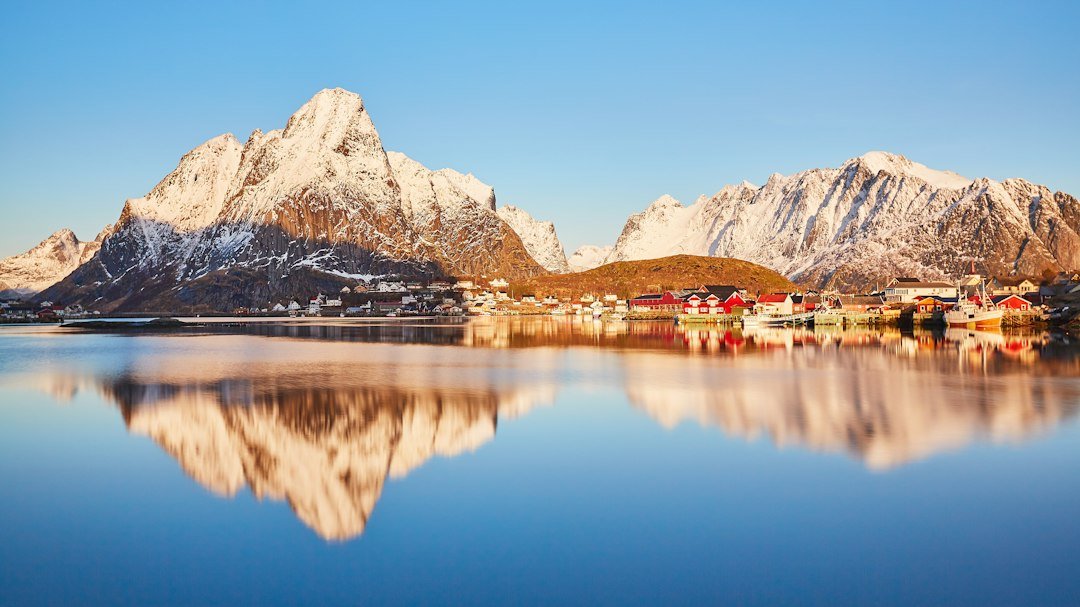
Chefchaouen Blue City Guide: Morocco's Hidden Gem
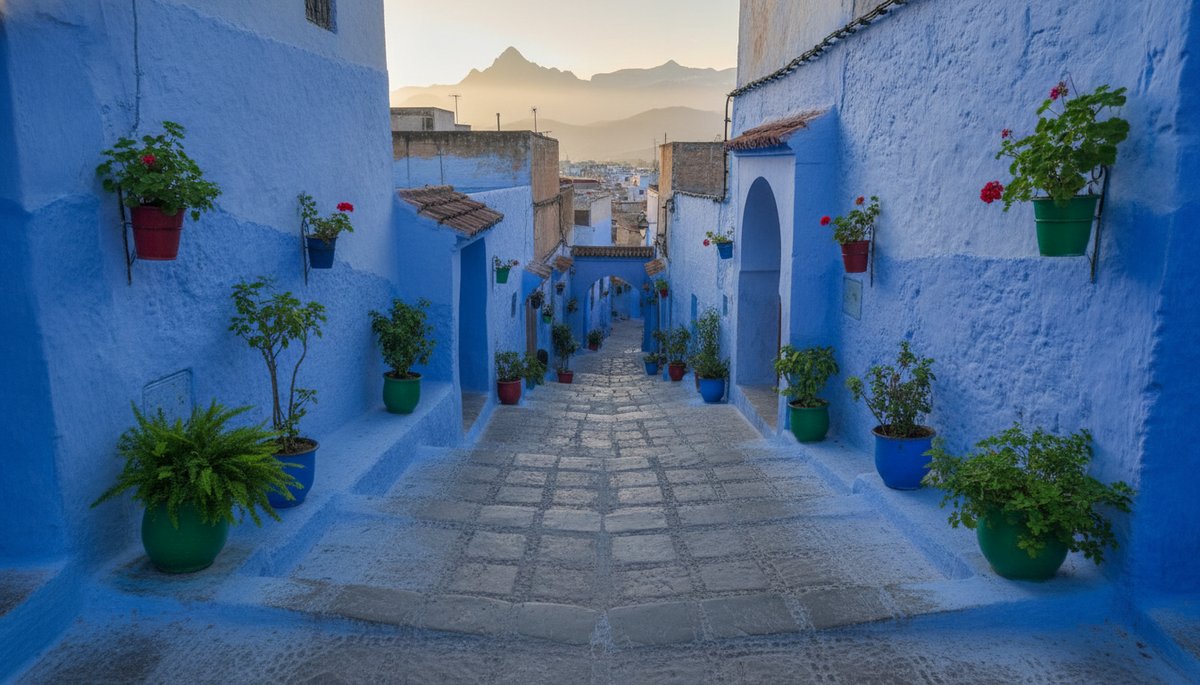
Chefchaouen Blue City Guide: Morocco's Hidden Gem
You have seen the photos: cobalt steps, indigo doorways, potted plants against a wall the color of the sky. Chefchaouen, the Chefchaouen blue city Morocco travelers rave about, is a mountain town with a quieter pace than the imperial cities, and it is easy to build a trip around.
This guide covers why the town is blue, how to get there, when to go, the Akchour waterfalls and God's Bridge, and how to handle the hashish touts without drama.
Quick Answer: Chefchaouen is a walkable, blue-washed medina town in Morocco's Rif Mountains with no airport or train station. Reach it by CTM bus or grand taxi (about 2.5 hours from Tangier, roughly 3.5 to 5 hours from Fes), go in spring or autumn, and give it one to three days. Decline cannabis offers firmly, dress modestly and check your government's current Morocco advisory.
Chefchaouen at a glance
| Question | Short answer |
|---|---|
| Where is it? | Rif Mountains, northern Morocco, about 565 m above sea level |
| Airport or train? | Neither; arrive by bus, grand taxi or car |
| From Tangier | Around 2.5 hours by CTM bus |
| From Fes | Roughly 3.5 to 5 hours |
| Best seasons | Spring and autumn |
| Time needed | One to three days |
| Big day hike | Akchour waterfalls and God's Bridge |
Why is Chefchaouen called the blue city?
The medina's walls, doors and steps are washed in shades of blue, and no single origin story is settled. One popular account, repeated by Atlas Obscura, ties the color to Jewish refugees who settled here after 1471 and painted buildings blue as a reminder of God's power above; others say the blue repels mosquitoes or flies, and some sources say it was encouraged later to attract tourists. Treat any single explanation with caution.
What is solid: the town was founded in 1471 as a small fortress against Portuguese incursions, and it sits roughly 565 meters up in the Rif.
Is Chefchaouen worth visiting?
Yes, for slow travel: the appeal is wandering, not ticking off monuments. It works well as a calmer stop between the busier cities, and for remote workers it is a scenic place to spend a few quiet days (check your own connectivity needs first).
Highlights:
- The medina lanes. Steep, stepped and photogenic; go early for empty alleys.
- The kasbah. The original citadel, now houses a museum.
- The Spanish Mosque. A disused 1920s mosque on a hill east of town, now a popular sunset lookout.
- The hills around town. Talassemtane National Park is on the doorstep.
How do you get to Chefchaouen (CTM bus and grand taxi)?
There is no airport or train station in Chefchaouen, so you arrive by road. CTM, Morocco's main long-distance bus company, is the easiest option, with a bus from Tangier taking about 2.5 hours. Fes to Chefchaouen is roughly 3.5 to 5 hours depending on operator and route.
| From | Typical time by car | Notes |
|---|---|---|
| Tangier | About 2 to 2.5 hours | CTM buses serve this route; best for a day trip or first stop |
| Fes | About 3.5 to 5 hours | Buses and shared taxis serve this route |
| Rabat | About 4 to 5 hours by car, around 5.5 by CTM bus | Direct buses via CTM |
| Casablanca | About 5 to 6 hours by car, roughly 6 to 7 by bus | Buses run daily |
| Marrakech | About 8 to 9 hours by car, roughly 10 to 11 by bus | Break up the trip with an overnight stop |
Timetables and fares change, so check the CTM site or station before you travel rather than relying on a blog. Shared grand taxis also run on these corridors and leave when full. Agree the fare before you get in, and travel in daylight where possible, since mountain roads can be tricky at night.
A chefchaouen day trip from Tangier is possible but rushed; you would spend roughly five hours on the bus. Staying a night lets you see the town at dawn and dusk when the day-trippers are gone.
How many days do you need in Chefchaouen?
Two nights is a comfortable minimum for most travelers: one full day in the medina and viewpoints, and a second for a hike. One night works if you are only here for the photos; add a third if you want a slow pace or both the waterfalls and a rest day. The hilly, stepped lanes tire people out more than they expect.
What is the best time to visit Chefchaouen?
Spring (about March to May) and autumn (about September to November) are the sweet spots, with mild weather. Midsummer afternoons can be hot, though the altitude softens it. Winter is cooler and wetter, with unheated riads and fewer people.
Pack layers for evenings (see our digital nomad packing checklist for a carry-on-friendly approach).
What are the Akchour waterfalls and God's Bridge?
Akchour is a village in the Rif Mountains inside Talassemtane National Park, about 35 to 45 minutes from Chefchaouen by road. From the dam area, trails lead to a small waterfall, a large upper waterfall (around two hours one way), and God's Bridge, a natural rock arch over a gorge (about 45 minutes one way on the shorter option).
- Getting there: shared grand taxi from town, or a hotel-arranged transfer or guided trip. Ask your riad for the current process and return options, and leave before late afternoon, when taxis thin out.
- Fitness: a full waterfall-plus-bridge day can run several hours of walking; guided loops are described as around seven hours and need decent fitness.
- Water: flow varies by season, so in drier months you may prefer a waterfall and God's Bridge combination. Bring grippy shoes and a spare pair if it has rained.
Is Chefchaouen safe at night?
Chefchaouen has a reputation as one of Morocco's calmer and more welcoming towns, and the busy medina is generally comfortable in the evening. As anywhere, stay aware, keep valuables close and ask your accommodation about any specific areas to avoid after dark. Do not treat any blanket claim of "totally safe" as gospel.
Hashish touts and the cannabis scam
Cannabis is illegal in Morocco, and the UK government warns that possessing, using or trafficking illegal drugs, including cannabis, carries severe penalties. Even so, tourists in Chefchaouen are often approached with offers of hashish or "farm tours."
- Say "la, shukran" (no, thank you) and keep walking.
- Never buy. Scam-tracking site tabiji reports a buy-then-shakedown scam where a fake "police officer" appears after a street sale and demands cash.
- Avoid unofficial guides; the UK advises using officially badged guides in medinas.
Dress, etiquette and advisories
Dress modestly (covered shoulders and knees are a safe default), and be discreet with public affection, especially near religious sites. Ask before photographing people. Women traveling alone may find our solo female travel guide and tips for solo travel as a woman useful.
Check your government's current advisory before booking. The UK FCDO page for Morocco (last updated 19 August 2026) notes terrorists are likely to try attacks in Morocco, advises professional guides and insurance for mountain hiking in areas such as the Atlas Mountains, and cautions that adventure-tourism providers may not meet UK safety standards. Rules and levels change, so read the current text yourself.
Plan your Chefchaouen trip
Book a riad for at least two nights, buy your bus ticket from CTM, bring layers and decline the touts with a smile. Go in spring or autumn, and give yourself a morning for the empty alleys and a day for Akchour.
Planning notes: this guide was researched from published travel guides and official advisories, not first-hand reporting. Timings are approximate.
Frequently Asked Questions
Is Chefchaouen worth visiting?
How do you get to Chefchaouen?
What is the best time to visit Chefchaouen?
Is Chefchaouen safe for tourists?
How do you get from Chefchaouen to Akchour waterfalls and God's Bridge?
You Might Also Like
Travel + Remote Work Briefing — November 1, 2026
Travel + Remote Work Briefing — October 31, 2026
Travel + Remote Work Briefing — October 30, 2026