Buenos Aires International Tango Festival 2026: Your Complete Guide
Buenos Aires International Tango Festival 2026: Your Complete Guide
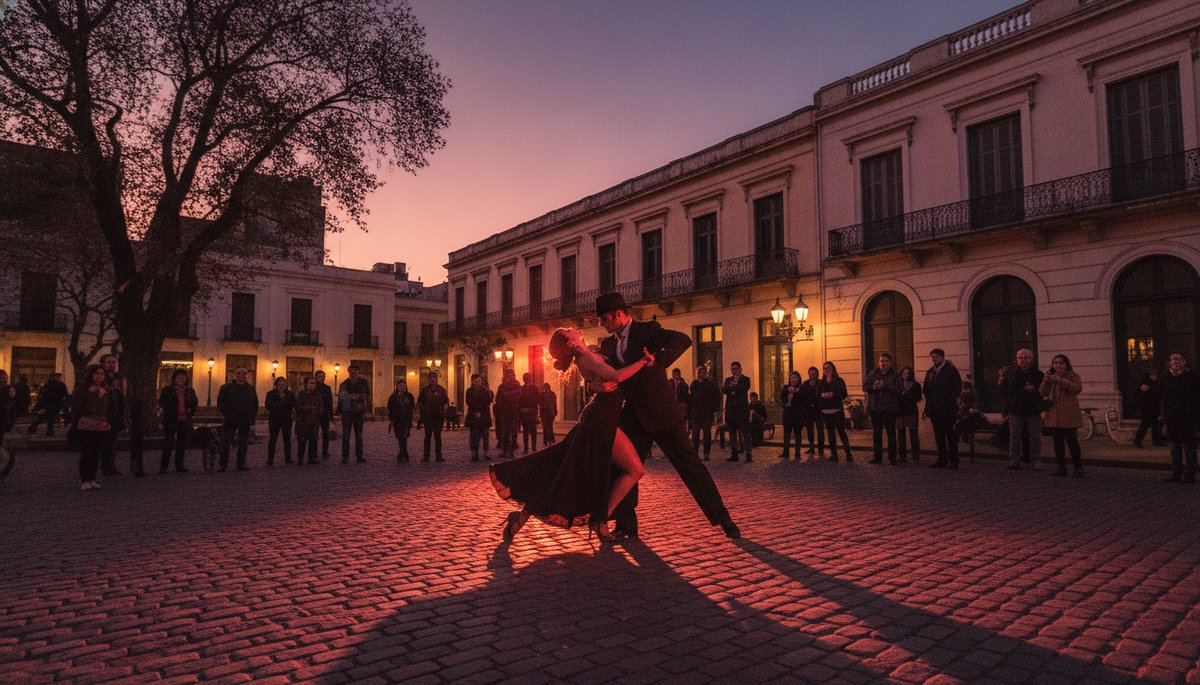
Every year in late August, Buenos Aires becomes the undisputed center of the tango world. The Buenos Aires International Tango Festival 2026 — officially the Tango BA Festival y Mundial — brings together dancers, musicians, and audiences from every corner of the globe for one of the most extraordinary cultural gatherings in South America.
Quick Answer: The Tango BA Festival y Mundial 2026 runs August 19 to September 2. The vast majority of events are free. The festival presents 600+ events at venues across Buenos Aires including Teatro Colón, Teatro San Martín, Centro Cultural Recoleta, and Usina del Arte. The World Tango Championship finals are held at Teatro Gran Rex. Book accommodation early — and know that anyone earning in USD or EUR will find Buenos Aires extraordinarily affordable right now.
Disclosure: This post contains affiliate links. If you make a purchase through these links, we may earn a small commission at no extra cost to you. We only recommend products we genuinely believe in.
When Is the Buenos Aires International Tango Festival 2026?
The Tango BA Festival y Mundial 2026 runs from August 19 to September 2, 2026. It is organized by the Buenos Aires City Government (Gobierno de la Ciudad de Buenos Aires) and combines a full cultural festival with the World Tango Championship (Mundial de Tango).
The festival is preceded by the Semana de las Milongas (August 1–7), a warm-up week of dances, classes, and open activities spread across 59 milonga halls throughout the city. If you are arriving early or already based in Buenos Aires, this week offers an excellent, lower-key introduction to the city's tango scene before the main event begins.
For the complete program and event reservations, the official site is tangoba.org.
What Free Tango Events Can You Attend During the Festival?
Admission is free for the vast majority of the festival's 600-plus events. The Buenos Aires Tango Festival is built around access — outdoor milongas, concerts, and performances are held in parks, plazas, and cultural centers across the city at no charge.
The key practical detail: some events are first-come, first-served, while others require advance reservation through the festival's official channels at tangoba.org, generally up to 72 hours before the activity. Check the program as the festival approaches and reserve the events you most want to attend.
Festival highlights spread across the main venue network include performances and social dance events at:
Teatro San Martín and Centro Cultural 25 de Mayo — flagship free programming venues
Centro Cultural Recoleta — dance and music events in the Recoleta neighborhood
Usina del Arte — a converted early-20th-century power station in La Boca, one of the most striking festival venues in the city
Plaza Dorrego in San Telmo is the neighborhood square most associated with street tango in Buenos Aires throughout the year. On weekends, impromptu performances happen organically here alongside the San Telmo market — a free and authentic complement to the formal festival programming.
Where to Watch Tango: Teatro Colón and the World Championship Finals
The World Tango Championship (Mundial de Tango) is the competitive heart of the festival, drawing hundreds of couples from dozens of countries to compete in two categories: Tango de Pista (social floor style) and Tango Escenario (choreographed/theatrical stage tango). The championship finals are held at Teatro Gran Rex.
For the most prestigious ticketed performances, Teatro Colón is the centrepiece. It is one of the finest opera houses in the world and hosts world-class tango companies and orchestras during the festival. To get tickets:
Check the official calendar at teatrocolon.org.ar/calendario
Book as far in advance as possible — stall and lower-circle seats run around $40 per person and sell quickly for festival-period performances
The box office is located at Tucumán 1171, open Monday to Friday from 9am to 4:45pm
Tango Workshops: Can Beginners Participate?
Yes — the festival is genuinely beginner-friendly. Workshops at various skill levels are part of the programming, and the social milonga format means you can observe experienced dancers up close before attempting the floor yourself.
Outside formal festival workshops, the social milonga scene in Buenos Aires runs all year. La Viruta in Palermo is one of the most popular venues for group classes and is widely recommended for first-timers, offering beginner instruction before milonga sessions on Wednesday, Friday, Saturday, and Sunday evenings. The site hoy-milonga.com lists Buenos Aires milongas with icons indicating which events include a class before the dance session.
Which Neighborhoods Are Best to Stay in for the Tango Festival?
San Telmo is the most immersive choice. This is the historic birthplace of tango culture in Buenos Aires — cobblestone streets, colonial architecture, and traditional milongas within walking distance. Plaza Dorrego sits at its center. The trade-off: some areas of San Telmo require extra caution at night (more on this below). Budget travelers will find Hostelworld listings here starting at very low nightly rates, with properties like Art Factory San Telmo putting you squarely in the neighborhood's character.
Palermo is the most practical choice for most visitors. It is Buenos Aires' most traveler-friendly neighborhood — a large, well-connected district with parks, restaurants, and a strong nightlife scene. It is consistently rated the safest area for tourists, and the tango venue network is easily reachable by bus or rideshare. Palermo is also the best base if you are using Buenos Aires as a remote-work base during the festival. Check Hostelworld's Palermo listings for budget options.
Recoleta suits travelers who want a quieter, more upscale base. It hosts the Centro Cultural Recoleta (a festival venue) and is a short taxi or Subte ride from San Telmo and the main programming.
Book accommodation early. The festival period coincides with Argentina's winter school holidays and is a major international draw.
Buenos Aires as a Nomad Base During the Festival
The Buenos Aires International Tango Festival is also one of the best reasons for remote workers to time a South American base around this window. Anyone earning in USD or euros benefits significantly from Argentina's exchange rate — as of mid-2026, the rate runs around 1,460–1,530 pesos per USD depending on the payment method. Research consistently puts monthly living costs for a solo nomad at between roughly $900 and $1,500, covering rent, food, coworking, and transport in a city with world-class restaurants, neighborhoods, and cultural programming.
For readers considering a longer stay, our guide to living as a digital nomad in Argentina covers the practical setup. And if you want to explore your visa options beyond a tourist stay, the digital nomad visa options for 2026 covers the full international landscape including Argentina's options.
Is Buenos Aires Safe for Tourists During the Tango Festival?
Buenos Aires is a very large city and warrants the same awareness you would apply in any major urban environment — it is not a destination that requires fear, but it does reward common sense.
The primary risk for tourists is petty theft, particularly phone theft in crowded outdoor settings. The most practical precautions:
Use Cabify or Uber (or official Radio Taxi) rather than hailing street cabs at night. Both Cabify and Uber are widely available, have in-app payment, and are consistently recommended as the safest transport option for tourists
Keep your phone off and away in dense outdoor milongas and market crowds — this is where opportunistic theft occurs
San Telmo after dark warrants more caution than Palermo or Recoleta; if attending late-night events in San Telmo, use a rideshare rather than walking to quieter side streets
Check the current US State Department travel advisory (travel.state.gov) and equivalent for your country before departure — Argentina carries a standard exercise-normal-precautions advisory
The festival itself, its venues, and the main tourist neighborhoods are genuinely welcoming and safe for travelers who exercise basic urban awareness.
Staying Connected During the Festival
Navigating 600+ events across a sprawling city — checking the festival app, reserving events, calling rideshares, translating on the fly — depends on a reliable data connection. International roaming plans can get expensive, and Buenos Aires' WiFi coverage at outdoor festival venues is inconsistent.
An Airalo Argentina eSIM runs on the Movistar 4G network and covers Buenos Aires well. Plans start at $20 for 3 days (unlimited data) and go up from there — install it before you fly, activate on arrival, and you are covered from the moment you land. (Affiliate link — I may earn a commission at no extra cost to you.)
If you are packing for a longer South American trip around the festival, our digital nomad packing checklist covers what actually matters for a multi-week trip.
The Buenos Aires International Tango Festival 2026 is the kind of event that rewards showing up. The combination of free world-class programming, one of the most storied cities in Latin America, and a cost of living that goes exceptionally far for USD and EUR earners makes the August 19 – September 2 window one of the more compelling reasons to be in Buenos Aires this year.
Frequently Asked Questions
When is the Buenos Aires International Tango Festival 2026?
Are there free events at the Buenos Aires Tango Festival?
Which neighborhoods are best to stay in for the Tango Festival?
How do you get tickets to shows at Teatro Colón during the festival?
When should you book accommodation for the Buenos Aires Tango Festival?
You Might Also Like
Travel + Remote Work Briefing — October 22, 2026
Travel + Remote Work Briefing — October 21, 2026
Travel + Remote Work Briefing — October 20, 2026