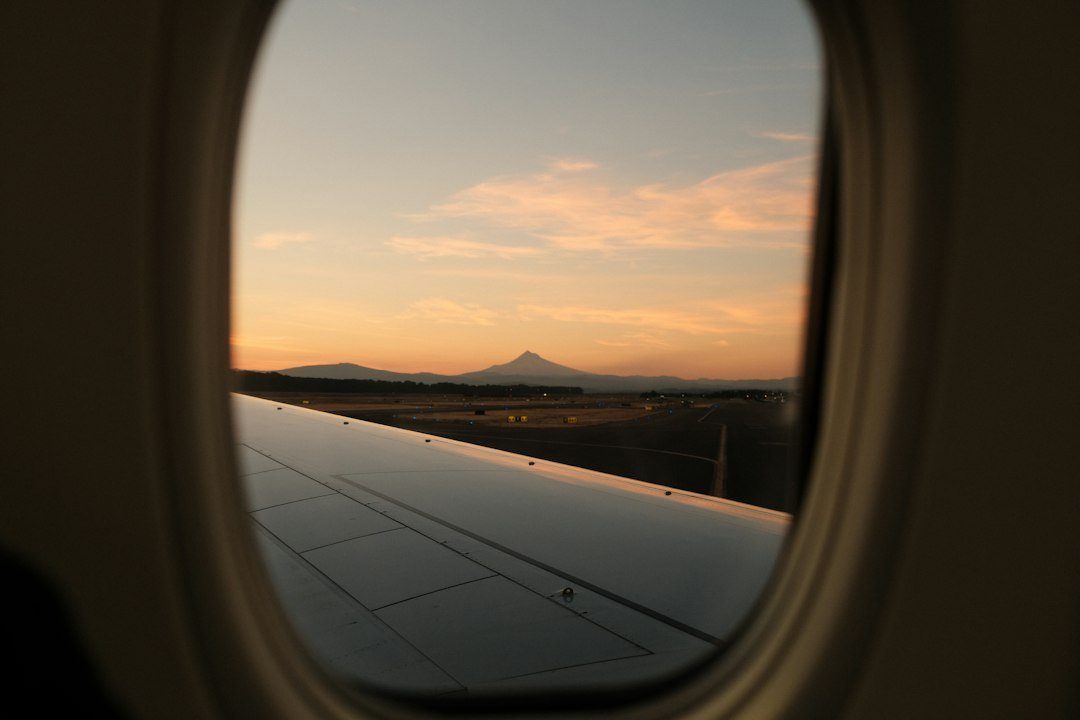
Travel + Remote Work Briefing — November 5, 2026
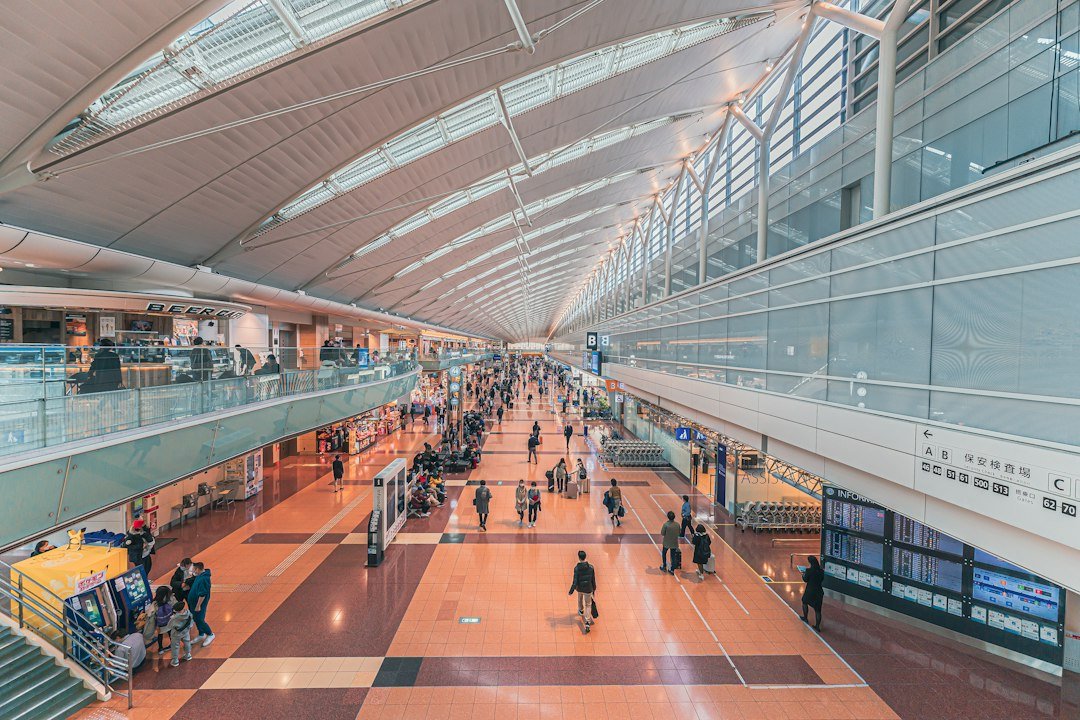
Today's stories are about the cost and pace of getting around. Gulf airline finances point to fares staying high on the Europe-Asia routes many nomads fly. Clear's new e-gates promise a faster way through US airport security for people who fly often. And a 2027 trend report says holidaymakers are moving toward the slow, fewer-stops style of travel nomads already live, which could mean more competition for long-stay bases.
Are Arab airlines losing money in 2026 while Emirates still turns a profit?
Yes: the Arab Air Carriers Organization (AACO) forecasts a collective net loss of $4.3 billion (€3.82 billion) for its member airlines in 2026, while Emirates Airline reported a pre-tax profit of AED 3.7 billion (US$1 billion) for the six months to the end of September.
Euronews reports that the AACO report puts fuel at 37.3 percent of operating costs for its members, versus 31.4 percent for the global industry. Global net profit is projected at around $23 billion, which the report describes as the lowest in 12 years excluding the COVID-19 period and its aftermath. The report also says results will likely vary considerably depending on hub locations and exposure to conflict-affected markets.
Emirates shows that variation. Paddle Your Own Kanoo reports that the airline's profit was down 68 percent from the same period in 2025. Total costs fell 2 percent, and fuel hedging limited the net fuel cost increase to 13 percent, but those hedging contracts expire in the coming months. The period also excludes the late-February grounding and the curtailed operations from early March to April, both tied to airspace restrictions and the Iran war. The same article says airlines plan to keep fares high even if a deal lowers oil prices.
Why it matters for remote workers and nomads: This part is our read, not something either source says. A profit at Emirates suggests the biggest Gulf hub is operating, but a sector-wide loss forecast and expiring fuel hedges point to little room for fare cuts. If you route between Europe and Asia through the Gulf, we would price a non-Gulf alternative alongside it, leave generous buffers on connections, and avoid booking a hard-deadline work commitment right after a layover. Our cheap flights guide covers alert tools for comparing both options.
Is Clear's e-gate rollout changing airport security for frequent flyers?
Yes: Clear now has biometric e-gates running at 53 airports, and the company expects the vast majority of its network to have them by the end of 2026, according to The Points Guy.
Here is what changed. Before, Clear members walked up to the checkpoint, stepped aside to a kiosk for a quick photo to verify their identity, then waited for a Clear employee to escort them to the front of the TSA line. Finding an open kiosk or a free staffer was the usual snag. The e-gate design lets members skip the kiosk stop, and the reporter who covered the rollout says he typically pauses for just a few seconds for a photo before the gates open.
Clear says identity verification takes five seconds or less under the new setup. It also says that at hubs with e-gates, 96 percent of passengers get through in five minutes or less, per the same report. Those are company-supplied figures, not independent measurements. In a June release posted by Indianapolis International Airport, Clear said its automated eGates let CLEAR+ members verify their identity in under five seconds, that it was on track for a network-wide eGate rollout in 2026, and that it served more than 8.2 million active CLEAR+ members at 62 airports. The Points Guy says e-gates are already at nearly 80 percent of the airports Clear serves, and the timing lines up with the holiday travel rush.
On price, The Points Guy lists Clear Plus at $219 per year. It also notes that Delta, United and Alaska Airlines offer special Clear pricing to their customers. Clear is typically used alongside TSA PreCheck, and the report describes Clear as getting you past the TSA line and into carry-on screening. It also mentions TSA PreCheck Touchless ID, which lets members pass security without showing an ID or boarding pass. It is available at dozens of airports, costs nothing extra for PreCheck and Global Entry members, and requires opting in through your airline profile.
Why it matters for remote workers and nomads: This part is our read, not reporting. If you fly several times a year between bases, a faster Clear lane is easier to justify than it was when kiosk lines ate the savings. Before paying, check whether your home airport and the airports you pass through most often have e-gates, because the benefit only shows up where they exist. Compare the $219 sticker price with any airline-linked discount you qualify for, and with Touchless ID if you already hold PreCheck or Global Entry. Neither source we read addresses how Clear stores or shares biometric data, so read Clear's privacy terms yourself before enrolling. Treat it as a convenience tool for a heavy travel year, not a must-have for every trip.
Are travellers really planning to do less on holiday in 2027?
Yes: according to the Lemongrass Annual Travel Trend Report 2027, travellers are turning away from packed, over-optimised itineraries and toward fewer destinations and more unstructured time.
Lemongrass is a UK travel marketing agency, and Travel Tomorrow's coverage of its original report puts "anti-optimisation" at the head of its trends. That means less itinerary planning and fading interest in hyper-curated trips and pressured bucket lists. Travel Tomorrow's article cites no survey figures, so this is a trend forecast from an agency, not a measured poll.
The coverage includes a line from Josh Elliott, who runs a lodge in Zimbabwe: "A country is not understood through six lodges in ten days." Other themes Travel Tomorrow lists include "Earned Travel" (experiences that take effort and feel uncurated), a "depth list" of engaging with a place's people and culture instead of AI-generated to-do lists, and a calmer, "passive" take on wellness. It also notes that train travel is seen as combining comfort, scenery and sustainability, and that trips closer to home are valued for lower risk and greater flexibility.
Euronews, covering the same report, describes the shift as fewer destinations, simpler itineraries, longer stays and room to see where the day leads.
Why it matters for remote workers and nomads: This section is our read, not the report's. Nomads have been living "anti-optimised" for years, so mainstream demand for slower travel could validate longer stays, though the report itself gives no figures on stay length or pricing. We would expect more holidaymakers to compete for the same slow-travel bases, so booking monthly stays outside peak weeks may matter more. The bigger lesson is personal: if you work and travel at once, a six-country sprint with a laptop is the same over-packed itinerary the report says people are tired of. Pick one base, protect a few unscheduled days each week, and treat rest as part of the plan. Our guide to long-term stays and coworking for remote travelers is a good place to start.
What to watch
- Emirates' fuel hedges, which expire in the coming months, and whether Gulf carriers keep fares high if a deal lowers oil prices.
- Whether Clear reaches the vast majority of its network with e-gates by year-end, as the holiday travel rush builds.
- Whether the slow-travel trend shows up in longer stays and off-peak pricing. The Lemongrass report itself gives no figures on either.
You Might Also Like

Travel + Remote Work Briefing — November 4, 2026
Travel + Remote Work Briefing — November 3, 2026
Travel + Remote Work Briefing — November 2, 2026