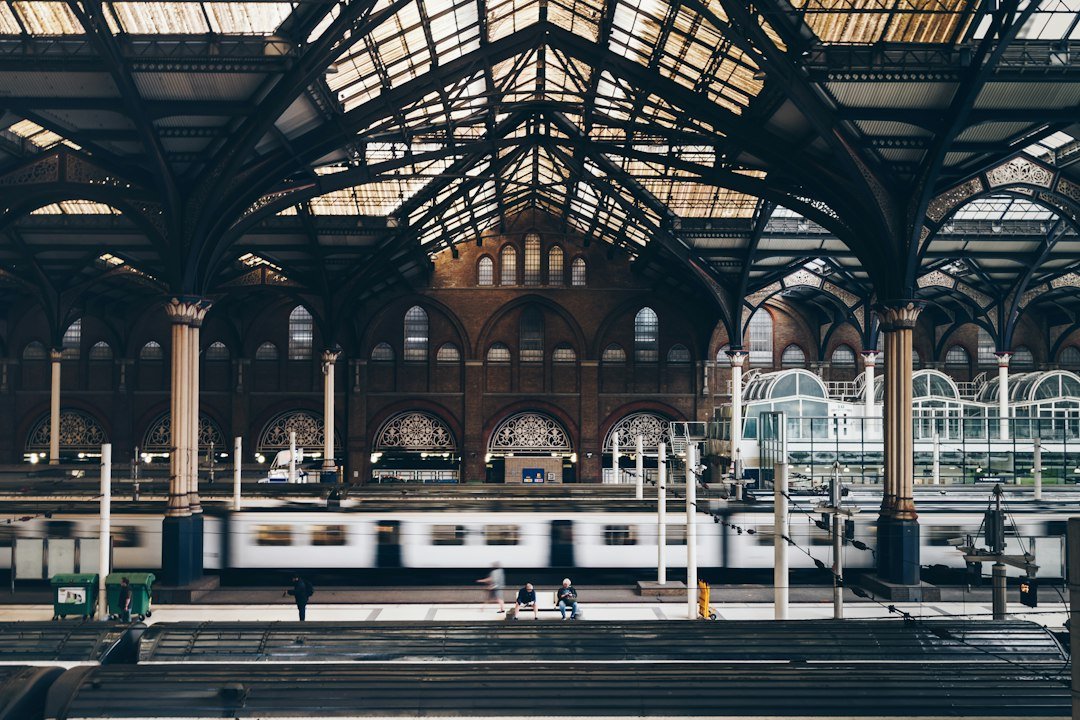
Uber and Wayve Launch London's First Robotaxi Rides — What Travelers Need to Know
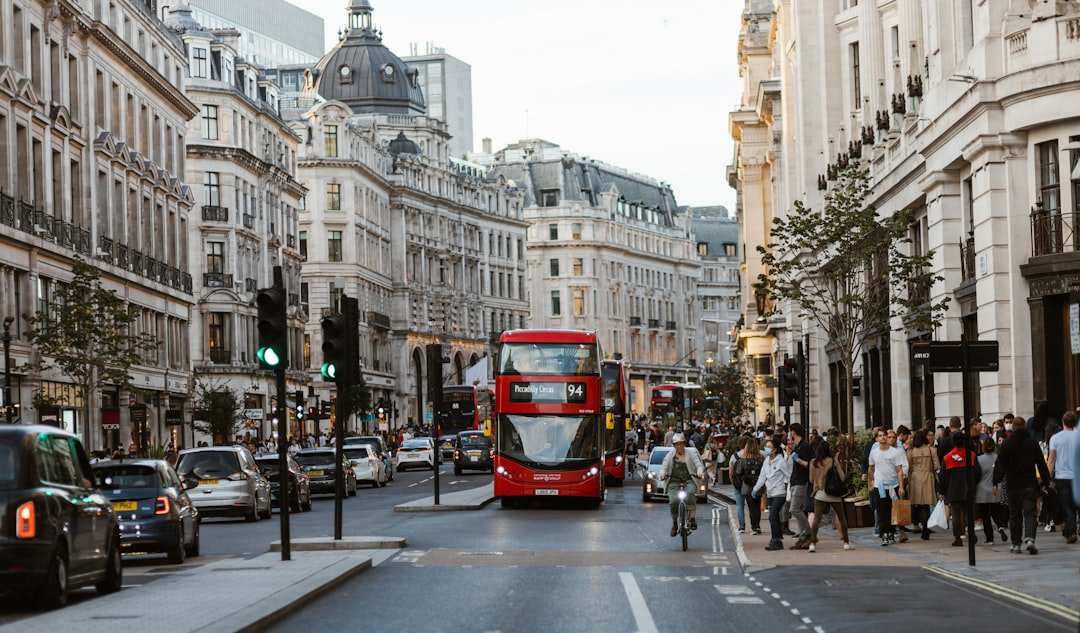
Uber and British autonomous-driving startup Wayve began offering supervised robotaxi rides in London on September 3, beating rival Waymo to become the first company to put self-driving cars into public service in the city, according to a Wayve press release and reporting from the Associated Press.
The launch uses fewer than 20 all-electric Ford Mustang Mach-E vehicles fitted with Wayve's "AI Driver" software, per the AP. Riders can't specifically hail a robotaxi. Instead, anyone requesting an UberX, Uber Electric, or Uber Comfort ride in London may be matched with a Wayve vehicle and can choose to accept or decline it before the car arrives, Wayve said. Fares are shown upfront in the app and match standard Uber pricing, with no extra charge for the autonomous option, the AP reported.
For now, the rides aren't driverless. A Transport for London-licensed private hire driver sits behind the wheel, ready to intervene, and there's no set timeline for removing that safety driver, according to the AP. Wayve and Uber received Private Hire Vehicle licenses from Transport for London in August, clearing the regulatory path for the launch. Each vehicle includes an in-vehicle touchscreen supporting 64 languages, Wayve said.
The service covers London generally, excluding airports, Wayve said. Uber has already run a similar safety-driver-supervised robotaxi service in Zagreb, Croatia, according to the AP, and London is now the second European city with the setup.
Waymo, Uber's larger US-based competitor, has said it plans to launch its own commercial robotaxi service in London sometime in 2026, working with fleet-operations partner Moove, but as of last fall it had not disclosed a fleet size or a timeline for dropping safety drivers, per TechCrunch. That puts Uber and Wayve first to market in the city.
What this means for remote workers and nomads
If you're based in London or passing through for work, don't expect to book a robotaxi on demand yet — the fleet is small and matching is random within the standard Uber app, so treat any Wayve ride as a bonus, not a plan. Airports currently aren't covered, so budget for a regular cab, an Elizabeth line connection, or a standard Uber to and from Heathrow, Gatwick, or City Airport rather than counting on an autonomous option.
Because a licensed safety driver is still on board and pricing matches normal Uber fares, there's no cost advantage yet, and the experience is closer to a tech preview than a transportation shift. It's still a signal worth tracking: as more cities license autonomous ride-hailing, nomads working out of London, and eventually other major hubs, may see ground transport options expand beyond taxis and standard rideshares. For now, the practical move is simple — keep your usual Uber or transit routine, and treat any Wayve match as a novelty ride rather than something to rely on for airport runs or tight schedules.
Sources
You Might Also Like
Travel + Remote Work Briefing — October 9, 2026
Travel + Remote Work Briefing — October 8, 2026
Travel + Remote-Work Briefing — October 7, 2026