
Hormuz Standoff Drags On: What It Means for Nomads Flying Through Dubai, Doha and Abu Dhabi
Iran's foreign minister said Thursday that "putting diplomacy back on track isn't impossible," according to CNBC. Foreign Minister Seyed Abbas Araghchi said the outcome "hinges on U.S. understanding of one simple fact: pressure doesn't work," after talks with Qatari officials on a safe transit corridor through the Strait. Oil markets were roughly flat Friday as they weighed the diplomatic signals against a war that started in late February and is still unresolved six months in.
For nomads whose routing habits assume cheap, reliable Gulf layovers, that six-month timeline is the real story.
What's actually happening at the Gulf hubs
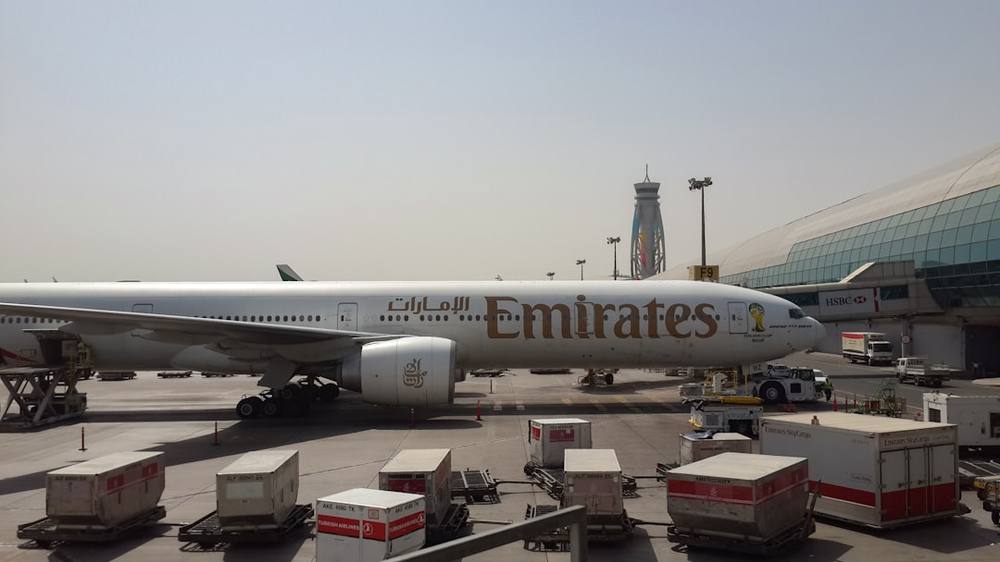
Emirates, Qatar Airways and Etihad all cut back operations when the war started as some countries closed airspace and carriers rerouted around potential conflict zones, according to LoyaltyLobby. Qatar Airways said it had restored 85% of its pre-crisis network by mid-June and was running 140 daily departures to more than 160 destinations. But recovery hasn't been uniform: Dubai Airports CEO Paul Griffiths said some European carriers are still struggling to get insurance for regional operations and haven't resumed Dubai service, Claims Journal reported. Most European carriers have also suspended service to parts of the region, including Bahrain and Israel.
Emirates began selling passengers a "conflict-related" travel insurance policy this summer covering conflict-linked medical expenses, airline-managed hotel stays during disruptions and free rebooking on other carriers if a flight is canceled because of the conflict, Bloomberg reported.
The insurance gap nomads should actually worry about
That Emirates policy is airline-side coverage sold at booking — it's not the personal travel insurance most nomads already carry. Standard travel insurance policies generally exclude acts of war and armed conflict outright, the Insurance Council of Australia told ABC News, because "the scale and unpredictability of these events make them extremely difficult to price." Two details matter more than the blanket exclusion: claims tied to travel through a country under a "do not travel" advisory typically aren't covered, and transiting through one of those zones can void coverage even for an unrelated incident elsewhere on the same trip. Policies bought after a conflict is already widely known also tend to carry "known event" exclusions that block claims tied to that specific conflict. If your existing policy was purchased before February, check its wording before you assume it still applies to a Gulf layover today.
What this means for remote workers and nomads
If your Asia-Europe or Africa-Europe routing habit runs through Dubai, Doha or Abu Dhabi, the practical takeaways right now: pricing hasn't snapped back to a single predictable pattern, since Gulf carriers are operating at reduced but recovering capacity while some Western carriers remain absent from the region entirely — so compare a non-Gulf routing (via Istanbul or a European hub) before assuming the old layover is still the cheapest option. Read your travel insurance policy's war and "do not travel" exclusions before booking anything that transits the region, not after. And don't expect the picture to resolve fast — Tehran's own conditions span three separate regional conflicts, none of which show signs of ending this quarter. Budget flexibility, refundable fares or flexible-date tickets, into any Gulf-routed leg until the diplomatic track shows more than a foreign minister calling talks "not impossible."
If you're rebuilding a leaner travel budget while routes stay unsettled, our guide to cutting real costs out of 2026 travel covers booking strategies that hold up regardless of which hub you're routing through.
You Might Also Like

Travel + Remote Work Briefing — October 9, 2026
Travel + Remote Work Briefing — October 8, 2026
Travel + Remote-Work Briefing — October 7, 2026