
FAA Moves to Fire LaGuardia Controllers Who Left Early Night of Fatal Air Canada Crash
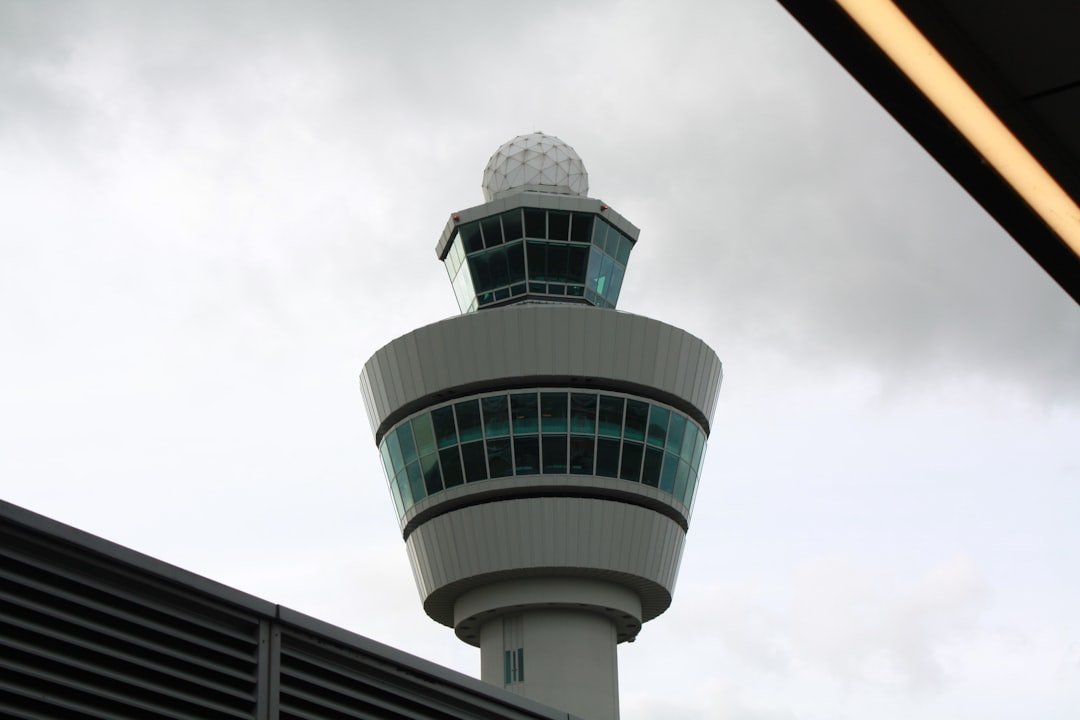
The FAA is moving to fire two LaGuardia air traffic controllers after finding they left their shift roughly an hour early on the night an Air Canada Jazz CRJ-900 collided with a fire truck on an active runway, killing two pilots, according to One Mile at a Time.
Only two controllers were working LaGuardia airspace that night, even as traffic ran at roughly twice normal volume. One of them was handling a separate emergency at the moment the fire truck was cleared onto the runway the Air Canada Jazz aircraft was using. The FAA classifies the early departures — an informal practice known in the industry as an "early shove" — as timecard fraud, and says it has fired more than 10 controllers this year for similar timecard or leave violations.
Transportation Secretary Sean Duffy defended the crackdown, saying, "The vast majority of air traffic controllers are great patriots ... but when a small percentage of individuals take advantage of the American taxpayer ... we have no choice but to act." The outlet notes that leaving early as informal compensation for uncompensated overtime has long been an open secret at understaffed towers, one that managers have historically tolerated rather than disciplined.
What this means for remote workers and nomads
Most nomads book flights around price and layover length, not around which control tower is short-staffed that week. But this incident is a reminder that staffing gaps at major hubs — not just weather — are a hidden driver of the cascading delays and last-minute gate changes that can wreck a travel day built around a client call or a co-working reservation.
A few practical adjustments are worth making if you route through congested hubs like LaGuardia, Newark, or JFK. First-wave morning departures tend to be less exposed to the compounding delays that build through the day as controllers manage thinner staffing against growing traffic. If you have flexibility, routing connections through secondary or less congested airports reduces your exposure to any single tower's staffing crunch, even if it costs a bit more or adds travel time.
For anyone relocating or timing a move around a specific work commitment, build in a buffer day rather than scheduling a client call, a coworking check-in, or an apartment handoff for the same day you land. When a delay is caused by people — fatigue, short crews, an overworked tower — rather than weather, it's less predictable and less likely to show up clearly in advance in a flight-tracking app, so the safest hedge is time, not a better app.
It's also worth remembering that near-misses and staffing-driven incidents get outsized attention relative to overall flight safety, which remains extremely high by historical standards. The takeaway isn't to avoid busy US hubs — it's to build itineraries that don't collapse if one leg runs late.
You Might Also Like

Travel + Remote Work Briefing — October 14, 2026
Travel + Remote Work Briefing — October 13, 2026
Travel + Remote Work Briefing — October 12, 2026