
Europe's Gas Squeeze Could Make Winter Rentals Pricier for Remote Workers
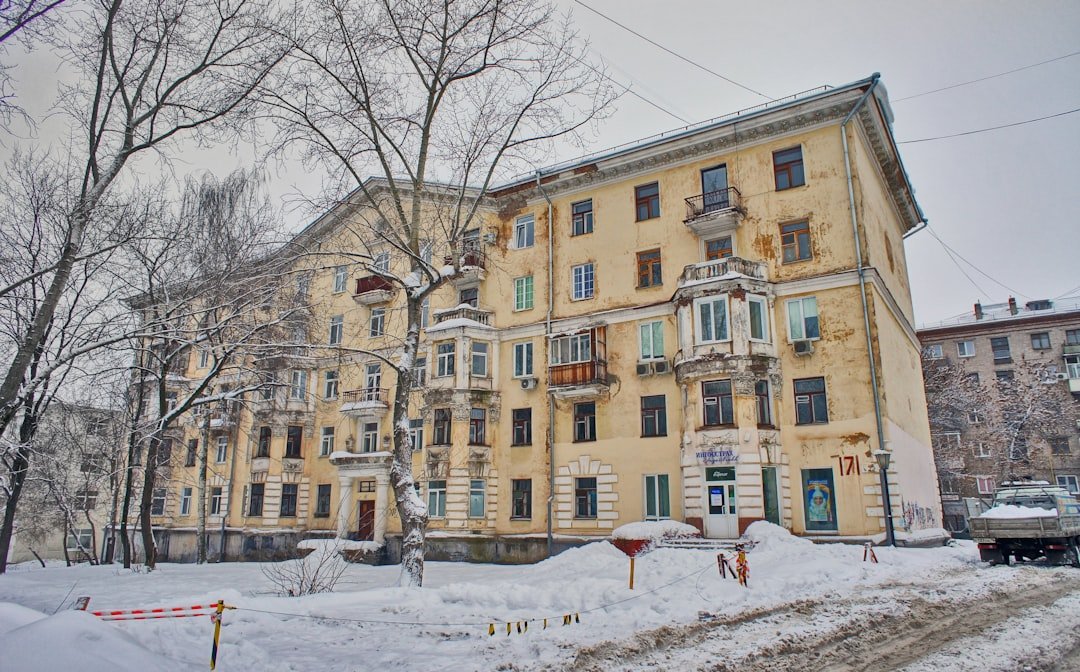
European natural gas prices are climbing into the start of the heating season, and analysts warn the region's thin storage cushion could push costs to levels not seen since the 2022 energy crisis — a shift that will land squarely on anyone renting an apartment in Europe this winter.
Dutch TTF futures, Europe's benchmark gas contract, pushed past 68 euros per megawatt-hour on Tuesday, their strongest level in more than two years, according to CNBC. The move follows disruptions to shipping through the Strait of Hormuz, which sharply curtailed LNG exports from Gulf producers like Qatar during Europe's summer storage-refill season, leaving inventories historically low heading into winter.
Morningstar senior equity analyst Tancrede Fulop told CNBC that a cold winter combined with continued supply constraints could send prices to between 90 and 120 euros per megawatt-hour — a forecast range, not a certainty, and one that depends heavily on how cold the season actually turns out to be. Separately, Goldman Sachs analysts said gas futures would need to rise above 100 euros per megawatt-hour to pull enough flexible U.S. LNG away from Asian buyers for Europe to manage its storage through winter, according to CNBC.
What this means for remote workers and nomads
If you're weighing a European base for the coming months, the storage story matters less than how fast wholesale prices reach your rent. Euronews reports that the pass-through speed varies sharply by country: household bills can adjust within a few months in France, Italy and Spain, almost immediately in the Netherlands, but take close to a year to fully filter through in Germany and Austria. That timing gap is worth knowing whether your lease has utilities bundled in or not.
For anyone on a medium-term rental — the one-to-three-month leases nomads typically sign — this is the moment to read the fine print rather than assume "bills included" covers a normal winter. Ask directly: is heating capped or metered separately, is there a seasonal surcharge clause, and does the listed monthly rate assume last winter's energy prices or this one. Coworking spaces that bundle heating into day passes may also adjust pricing once their own gas or electricity contracts renew, so a "get it in writing" habit applies there too.
Geography still does a lot of the work here. Southern Europe's milder climate means lower heating demand overall, which is one reason destinations in Spain, Portugal, Italy, and southern France tend to look better on a winter cost-of-living basis than bases in Germany, the Netherlands, or the Nordics regardless of which way gas prices move — a factor worth weighing alongside broader livability rankings for nomad bases. That gap could widen if this winter turns out to be a cold one, since northern European heating loads are more exposed to swings in wholesale gas.
None of this means abandoning European plans. It does mean budgeting with a wider margin than usual and confirming heating terms before signing, especially for stays that run through the coldest months. Gas remains a meaningful input into European electricity generation as well as direct heating, so a sustained price spike doesn't stay contained to gas bills alone — it tends to show up in electricity-inclusive rentals too.
The clearest signal to watch is whether TTF prices hold near or push past that 90-100 euro range as autumn progresses. If they do, expect landlords and coworking operators in higher-heating-demand countries to start passing costs through faster than the multi-month lag Euronews describes for markets like Germany.
Sources
You Might Also Like

Travel + Remote Work Briefing — October 14, 2026

Travel + Remote Work Briefing — October 13, 2026
Travel + Remote Work Briefing — October 12, 2026