
Airplane Etiquette Survey Flags Reclining and Armrests — What It Means for Remote Workers
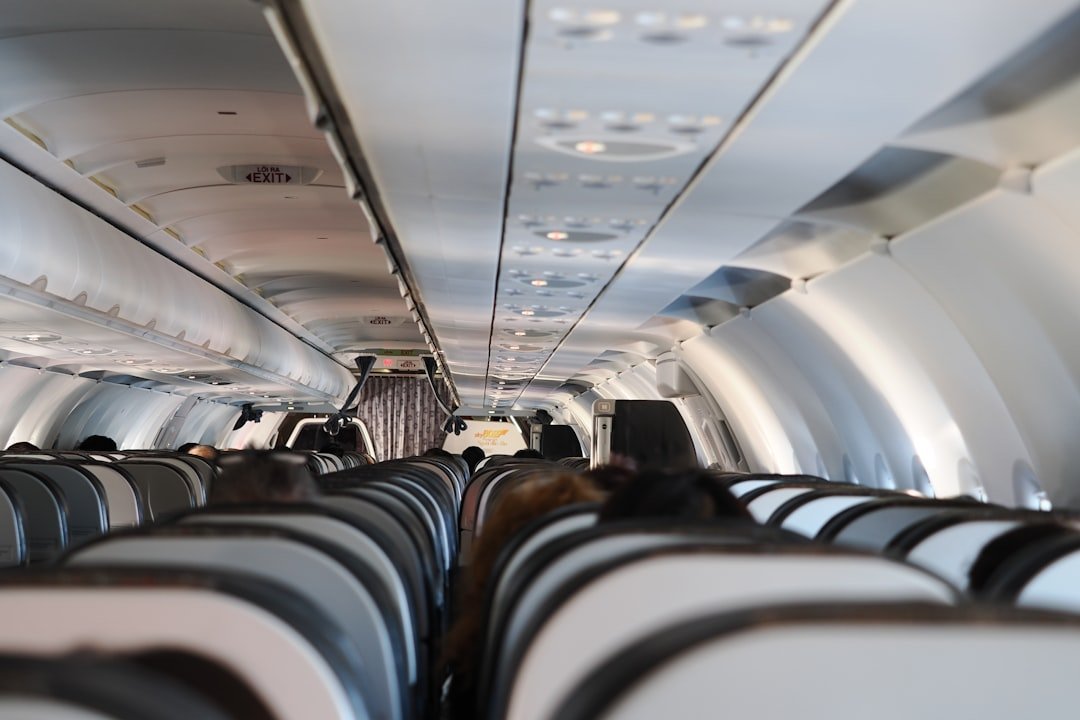
A new YouGov survey commissioned by The Points Guy, of more than 2,500 U.S. adults, found that 42% believe airplane passenger etiquette has worsened over the past five years. Only 12% reported no annoyance with fellow passengers' behavior at all — meaning the vast majority have a specific pet peeve, and several of the top ones are things remote workers do routinely.
The most-cited annoyance, at 27%, is loud conversations or videos played without headphones — relevant for anyone taking a work call or watching a training video from a middle seat. Seat reclining without warning ranked second at 21%. On reclining generally, 51% said it's acceptable only if you check behind you first, 21% said it's fine anytime after takeoff, and 10% said passengers should never recline at all.
Armrests are murkier: 31% believe armrests should be shared equally regardless of seat, 20% say the middle-seat passenger gets priority but should still share, 11% say the middle passenger gets both, and 26% are unsure. Phone and video calls in the cabin are the most polarizing item in the survey — 40% support banning them outright, while 33% oppose a ban. Worth noting: FCC regulation 47 CFR § 22.925 already prohibits operating a cellular telephone while an aircraft is airborne, so the "ban" respondents are debating largely applies to Wi-Fi calling and video apps, not standard cell service. On who's at fault for the overall decline, 52% blame passengers, 8% blame airlines, and 8% blame social media or influencers.
What this means for remote workers and nomads
If you regularly work mid-flight, several of these findings map directly onto laptop-user behavior. The armrest fight is really a real-estate fight — a laptop or a spread-out elbow in a middle seat reads to 31% of flyers as territory that isn't yours to claim, even briefly. The safest move is booking a window or aisle seat when working, since it removes the shared-armrest ambiguity entirely and gives you one side that's unambiguously yours.
The reclining data matters if you're the one in front of a working laptop, too: with 51% of flyers expecting a heads-up before a seat goes back, glancing behind you before reclining protects the open laptop or drink behind you — and avoids becoming someone else's top complaint.
Voice and video calls are the clearest no-go, and the existing federal cellular-calling prohibition already backs that norm up for standard cell calls. With a plurality wanting Wi-Fi and video calls banned outright too, and only a third opposed, the survey suggests cabin calls are a genuine flashpoint, not just online outrage. If a call is unavoidable, headphones with a mic and a text-based fallback for anything that isn't urgent will keep you off the 27% who cite loud, headphone-free audio as their top annoyance.
None of this requires giving up in-flight productivity — it just means treating the tray table and armrest as shared space, saving calls for the ground, and reading the row before reclining. The survey's broader signal, that most Americans think fellow flyers are getting ruder, is also a reminder that fellow passengers are watching closer than they used to.
For more on setting up a productive travel workflow, see our guide to the best travel gadgets for digital nomads.
Sources
Airplane etiquette survey: Many Americans say passenger behavior is getting worse — The Points Guy
47 CFR § 22.925 - Airborne Cellular Telephone Prohibition — Cornell Law School Legal Information Institute (FCC regulation text)
You Might Also Like

Travel + Remote Work Briefing — October 14, 2026

Travel + Remote Work Briefing — October 13, 2026
Travel + Remote Work Briefing — October 12, 2026