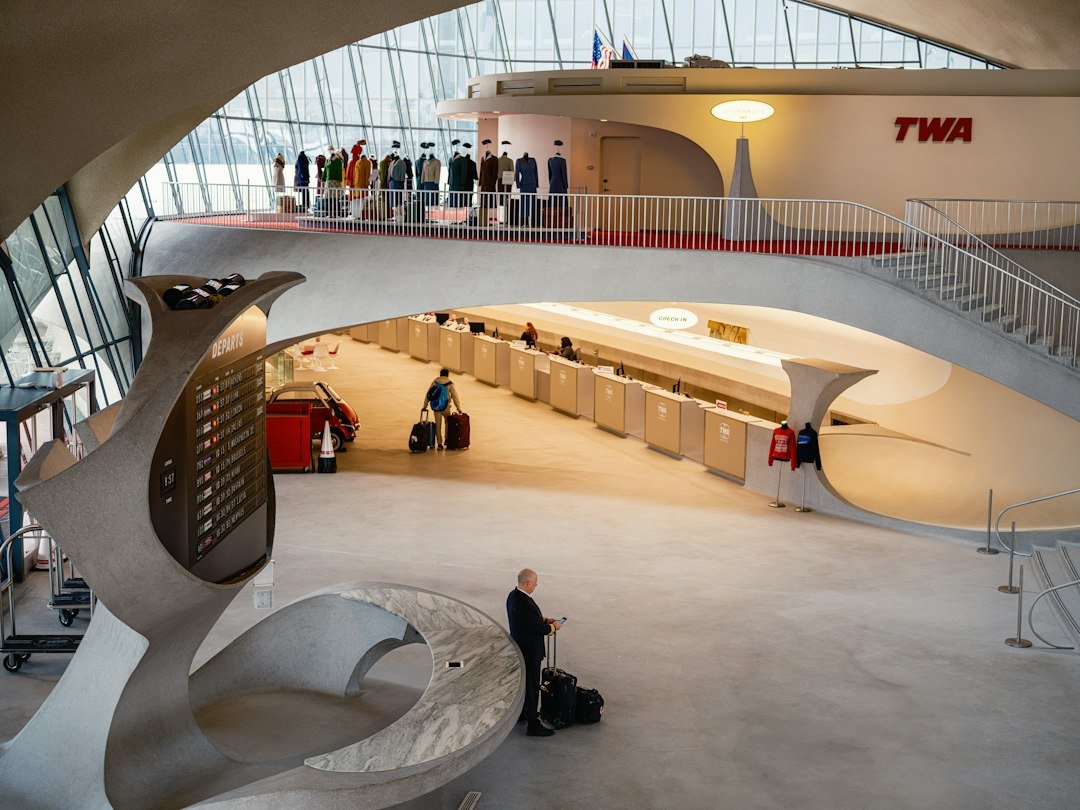
Host Cities Pitch a Post-World Cup Return Visit
Four weeks into the 2026 World Cup, destination marketing organizations across the 16 host cities are doing something unusual: spending marketing dollars not to fill seats for next week's match, but to make sure fans book a return trip. Nimble, low-cost campaigns — built around real-time viral moments rather than FIFA's official sponsor playbook — are reframing host cities as places worth knowing after July 19.
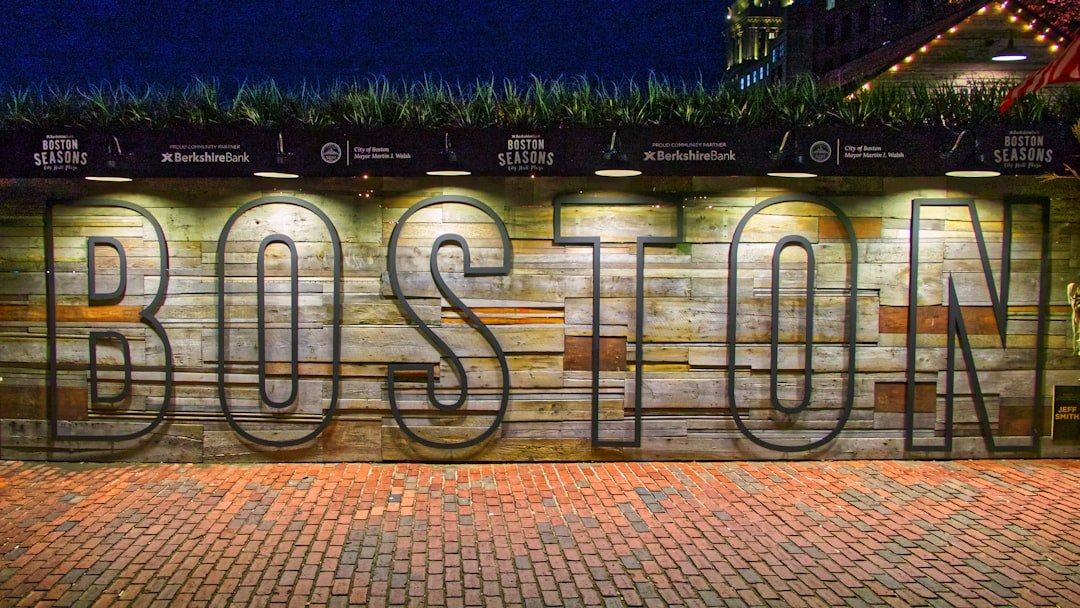
The clearest example played out in Boston. After roughly 30,000 Scottish fans descended on the city for World Cup matches, the Samuel Adams Boston Taproom sold 4,000 pints in four days and emptied 90 kegs — four times what the venue typically moves over a Fourth of July weekend. Meet Boston, the city's destination marketing organization, moved quickly, running affectionate follow-up ads inviting the Tartan Army back and leaning into the goodwill the visit generated. According to Skift's reporting, that kind of reactive, culturally attuned moment marketing let travel brands convert fan enthusiasm into lasting exposure at a fraction of what official FIFA sponsors pay.
Boston's experience was not isolated. Transaction volume at Boston bars and breweries rose 28% in the first two weeks of the tournament — the most of any of the 11 U.S. host cities, according to a Boston Globe analysis. Cities from Seattle to Atlanta used the tournament deadline as a forcing function: Seattle opened the Crosslake Connection light rail link connecting suburban east-side residents directly to downtown stadiums, Kansas City expanded its streetcar network by 1.2 miles, and Boston built permanent 800-foot high-level rail platforms at Gillette Stadium capable of handling 20,000 passengers per event, according to the Eno Center for Transportation. The Federal Transit Administration distributed $100 million across the 11 U.S. host metro areas for these upgrades. None of that infrastructure disappears on July 20.
What this means for remote workers and nomads
The window between the final whistle on July 19 and the end of summer is shaping up to be an overlooked sweet spot for location-flexible workers. The infrastructure case is straightforward: better transit, more hospitality capacity, and upgraded airport operations were built to handle tournament-scale crowds. Most of that stays in place.
The pricing case is equally practical. FCM Consulting data cited by Forbes found that in at least half the U.S. host cities, hotel rates had already slipped below earlier projections — and nearly 80% of U.S. hoteliers reported bookings tracking below their initial forecasts. Demand that failed to materialize at peak-tournament prices will not suddenly reappear at the same rates post-final. Cities like Houston, which entered the tournament with more than 100,000 rooms at some of the lowest per-night rates among all 16 host cities, are positioned to offer particularly strong value once the July 19 final concludes.
For nomads weighing their next base, the combination — permanent transit upgrades, hospitality capacity built for global crowds, destination marketing organizations in an unusually welcoming mode, and softening rates — is worth acting on before shoulder-season pricing resets. If you are sorting the gear and connectivity side of a longer U.S. stay, our digital nomad starter kit covers the essentials worth having in place before you arrive.
The brands running "come back anytime" campaigns understand something straightforward: the World Cup built familiarity with 16 cities that most international visitors had never seriously considered. For remote workers with schedule flexibility, that familiarity is now priced in — and the infrastructure that made these cities viable host venues is not going anywhere.
Sources
"'Come Back Anytime': How Travel Brands Courted World Cup Fans" — Skift, accessed July 10, 2026
"30,000 Scottish Descend on Boston for World Cup" — Good News Network, accessed July 10, 2026
"What went well, and what didn't work over the course of seven World Cup games in Boston?" — The Boston Globe, accessed July 10, 2026
"Goal or a Miss? Host City Investments in Transit Infrastructure for the 2026 World Cup" — Eno Center for Transportation, accessed July 10, 2026
"Some World Cup Hotel Prices Drop As The Tournament Nears" — Forbes, accessed July 10, 2026
You Might Also Like
Travel + Remote Work Briefing — October 15, 2026
Travel + Remote Work Briefing — October 14, 2026
Travel + Remote Work Briefing — October 13, 2026