
Singapore-to-Malaysia corporate move resets APAC nomad map
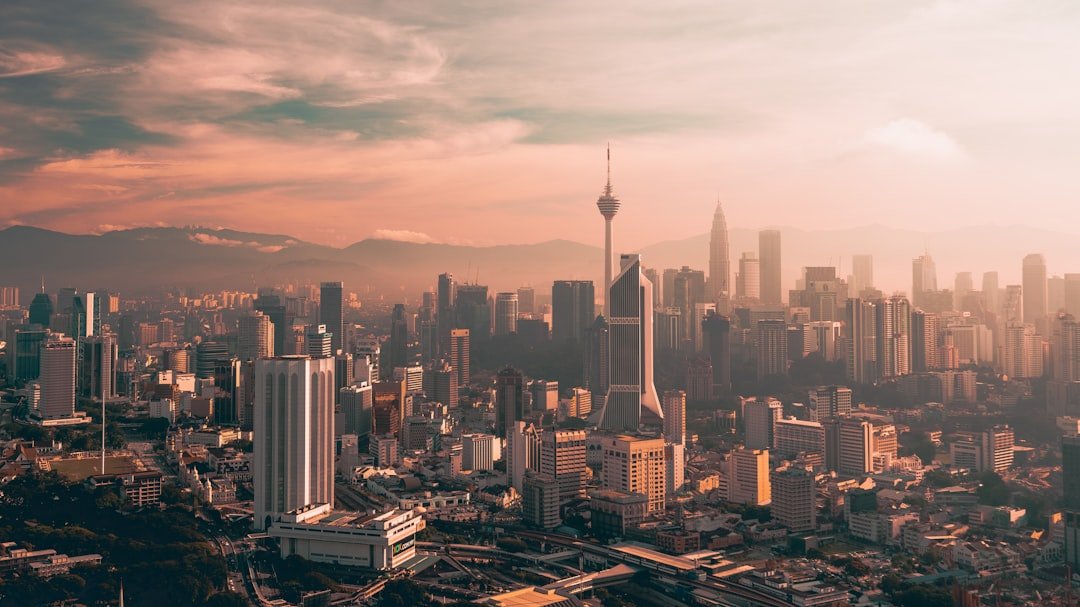
A wave of corporate operations is leaving Singapore for Malaysia in 2026, and the relocations are large enough to change where remote workers and digital nomads will want to be based in Asia-Pacific over the next year.
CNBC reported Wednesday that global mobility firms are tracking a "visible wave" of companies shifting work out of Singapore, with the pace more pronounced than in 2025. Two of the names anchoring the story are familiar: bread maker Gardenia is moving its bakery production from Singapore to Johor Bahru and cut 141 Singapore jobs in the process, and fast-fashion retailer H&M is relocating its Southeast Asia headquarters from Singapore to Kuala Lumpur, affecting close to 80 roles in the city-state.
The South China Morning Post, reporting on the same trend in late May, framed it as a cost-driven realignment — companies are "acting on substantial cost arbitrage on rents, wages, and operations" — layered on top of a broader post-pandemic reshuffle of manufacturing and supply chains across the region. SCMP also noted Vietnam and Thailand are positioning themselves as alternatives for lower-cost or labor-intensive functions moving out of Singapore.
The corporate side of this is not new. What is new in 2026 is the scale and the fact that headquarters-level roles, not just factories, are now part of the migration.
What this means for remote workers and nomads
If your employer, your clients or your professional network sit in APAC, the practical center of gravity for the region is shifting north across the Causeway. Singapore remains the financial capital and the airline hub, but the talent base, the corporate offices and the spending power are thickening fast in Kuala Lumpur and Johor Bahru — which fixes the single biggest complaint nomads have had about Malaysia for years, that it was "too quiet for serious networking."
The math has always favored Malaysia on cost. Reviewing the public listings we track, rent for a furnished one-bedroom in central KL or Johor Bahru's Iskandar Puteri runs roughly 50 to 70 percent below comparable units in Singapore's River Valley or Tanjong Pagar, and coworking day passes sit at a similar discount. Fiber internet is widely available in both cities, and the DE Rantau nomad pass — Malaysia's official remote-work visa, launched in late 2022 and expanded since — gives qualifying applicants up to a year of legal residency with a renewal option.
The new piece is the Singapore-day-trip loop. Johor Bahru sits roughly an hour from Changi by road or rail on a clean day, which makes it realistic to base in Malaysia and bus into Singapore for a client lunch, an investor meeting or a flight connection — then sleep at a fraction of the price. For nomads already weighing a Southeast Asia base for late 2026 or 2027, the corporate migration is the signal that the network effect is finally lining up with the cost advantage.
For more on the regional tradeoffs, see our guide to working remotely from Southeast Asia and the digital nomad starter kit for the gear and connectivity setup that travels well between Singapore and KL.
Sources
"Global mobility: Firms move operations from Singapore to Malaysia," CNBC, accessed June 11, 2026. https://www.cnbc.com/2026/06/11/global-mobility-firms-move-operations-from-singapore-to-malaysia.html
"Rising costs in Singapore spur business migration as regional alternatives rise," South China Morning Post, accessed June 11, 2026. https://www.scmp.com/week-asia/economics/article/3355378/rising-costs-singapore-spur-business-migration-regional-alternatives-rise
You Might Also Like

Travel + Remote Work Briefing — October 15, 2026

Travel + Remote Work Briefing — October 14, 2026

Travel + Remote Work Briefing — October 13, 2026