
IndiGo cuts squeeze nomads' Southeast Asia air links
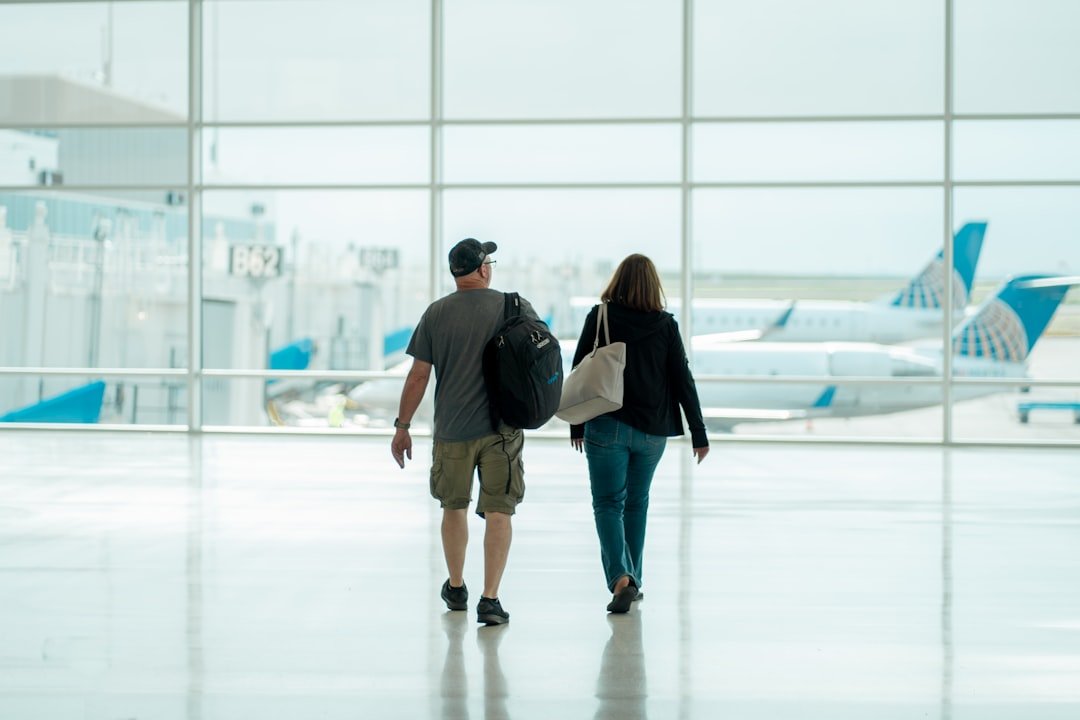
IndiGo, India's largest airline, said Thursday it will temporarily suspend flights to five international destinations — Langkawi, Krabi, Ho Chi Minh City, Hong Kong and Shanghai — starting July 1, and to Siem Reap from July 3. The carrier expects all six routes to stay shut until Sept. 30, Skift reported.
The pullback follows a separate announcement Tuesday that IndiGo will stop flying to Manchester from Aug. 31, the seventh route to be cut. Together, the moves signal a broad retreat from international flying by an airline that had spent the past year pushing aggressively into long-haul markets.
IndiGo framed the suspensions as an effort to match capacity with what it called "softer demand" against "an incredibly challenging cost environment." Even after the cuts, the airline said it will keep operating more than 1,800 weekly international flights, according to reporting from ANI News. The Manchester route, by contrast, looks like a deeper rethink: it relied on six Boeing 787-9 Dreamliners taken on a damp lease from Norse Atlantic Airways in early 2025, part of a European expansion meant to bridge the gap until IndiGo's own Airbus A350s arrive. The carrier cited longer flight times from regional airspace closures, higher fuel costs and a wider financial squeeze.
IndiGo is not alone. Air India has announced similar international cutbacks, pointing to the same mix of soft demand, elevated jet fuel prices and airspace restrictions, Skift reported. Domestic travel within India remains strong, but it has not been enough to offset the profitability pressure building on international routes.
What this means for remote workers and nomads
The detail that matters is geography. Four of the suspended destinations — Langkawi, Krabi, Ho Chi Minh City and Siem Reap — sit squarely on the Southeast Asia circuit that long-stay travelers rotate through, and they are exactly the kinds of beach-and-temple bases people line up for the summer and fall. With IndiGo pulling direct service from India through Sept. 30, anyone planning to hop between these hubs during that window should expect thinner direct connectivity and reroute via larger gateways such as Singapore, Bangkok or Kuala Lumpur. If your itinerary leans on Indian connections, it is worth rebuilding it now rather than in July.
The bigger takeaway is volatility. When two of India's largest carriers retrench from international flying in the same week, it points to a softer, pricier season across the region's long-haul network — the sort of shift that can move fares and reshape schedules with little notice. Travelers who base in the region should bake in flexibility: book refundable or changeable fares where possible, watch for route reinstatements after Sept. 30, and keep a backup carrier in mind. Our complete guide to working remotely from Southeast Asia walks through how to choose a base when connectivity is in flux, and the planning habits in Save Thousands on Travel in 2026 apply double when fares are this unsettled.
None of this changes Southeast Asia's appeal as a nomad region. But the smartest move this summer is to treat air connectivity as a moving target — and to plan routes that do not hinge on a single carrier holding the line.
Sources
IndiGo Suspends 7 International Routes: What's Behind the Cutbacks — Skift (accessed 2026-06-05)
IndiGo retains 1,800+ weekly flights despite temporary suspension of six international routes — ANI News (accessed 2026-06-05)
You Might Also Like

Travel + Remote Work Briefing — October 15, 2026

Travel + Remote Work Briefing — October 14, 2026

Travel + Remote Work Briefing — October 13, 2026