Paris Heritage Days 2026: The Traveler's Guide to Journées du Patrimoine
Paris Heritage Days 2026: The Traveler's Guide to Journées du Patrimoine
Once a year, Paris quietly unlocks doors that are shut every other weekend of the year — ministries, private courtyards, government buildings you'd normally only see from the sidewalk. If you're already living in or passing through Paris in September, this is one of those rare local-secret weekends worth building a trip around.
What are the Journées Européennes du Patrimoine, exactly?
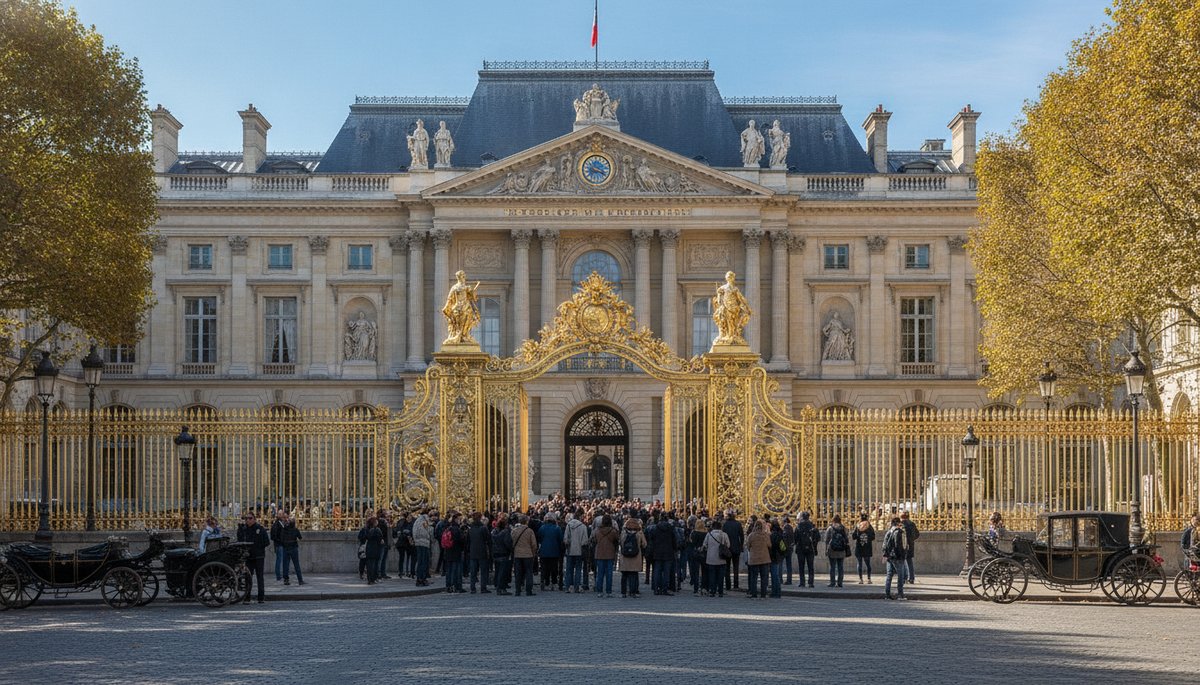
European Heritage Days is an annual, France-wide (and Europe-wide) weekend where historic buildings, government institutions, and cultural sites open to the public, many of them free and many of them normally closed to visitors. In Paris, it means access to embassies, ministries, courts, and grand civic buildings that don't take regular tourists.
When exactly is it in 2026?
The 2026 edition runs Saturday 19 through Sunday 20 September, confirmed as the 43rd edition on the official Ville de Paris event page. Plan around the Saturday-Sunday public weekend.
Is Journées du Patrimoine actually free?
Yes — the Ville de Paris programme page lists the event as free (gratuit) across its Paris listings. The catch is that "free" doesn't mean "unlimited": several of the most in-demand buildings cap visitor numbers and require a free advance reservation, so you still need to plan ahead for the sites everyone wants to see.
How and when do I reserve the flagship buildings before they sell out?
As of when this guide was checked, Paris.fr states the 2026 event is reservation-only for a number of its sites, but the city had not yet published the full building-by-building list or the exact reservation-opening date — it noted that details for landmarks like the Hôtel de Ville were still to come. Slots for marquee buildings such as the Élysée Palace and the Assemblée Nationale have historically opened online in the days before the weekend and drawn very high demand, so bookmark the official Paris.fr Journées du Patrimoine page now and check back frequently in the first half of September for the exact booking window.
Which buildings are worth queuing for vs. which are walk-in?
Treat this as a general planning framework, not a confirmed 2026 building list, since the detailed 2026 programme wasn't fully released at the time of writing:
- Book-ahead tier: nationally significant government buildings (presidential/ministerial-level sites) historically require timed reservations and sell out fast — these are worth the extra planning if you can get a slot.
- Walk-in tier: smaller museums, churches, guild halls, and neighborhood heritage sites typically don't require booking, though you'll still queue on the day, especially in the morning.
Check the official programme once it's fully live and sort your list into "must book" and "can wander into" before the weekend starts.
What's a realistic 2-day plan?
Day one: If you scored a reservation at a flagship site, build your whole morning around it — arrive 30-45 minutes early, since security screening adds time. Spend the afternoon exploring walk-in openings in the same arrondissement so you're not crossing the city between time slots.
Day two: Pick one neighborhood cluster (for example, the historic Marais or the government quarter near the Seine) and start at opening time, since queues build fast once word spreads on social media. Leave a backup site in your pocket in case your first pick has a queue that's clearly longer than your patience.
If you're planning a longer September trip around this weekend, it pairs naturally with Bastille-season festival planning if you want a sense of how Paris handles big public events, and if you're flying in, it's worth checking cheap flight strategies since mid-September fares to Paris are usually calmer than peak summer.
Logistics and safety: queues, crowds, and pickpockets
Expect genuinely long outdoor queues at popular sites, especially in the first two hours after opening, plus crowded Métro cars on lines feeding the government quarter and central Paris. Dense queues and crowded platforms are also where pickpocketing risk goes up, so keep bags zipped and in front of you, avoid flashing phones or cameras in tight queues, and keep a printed or offline copy of any reservation confirmation in case your phone signal is spotty.
If you're staying in the EU for more than a short visit around this trip, it's worth double-checking current entry rules — see our EU/EES digital nomad guide for what's changed for longer stays.
The bottom line
Heritage Days is one of the best free windows into Paris most tourists never plan for — but "free" only pays off if you book the reservation-only sites the moment slots open and build a flexible backup plan for everything else. Check the official Paris.fr programme regularly in the weeks before 19-20 September 2026, since the detailed building list and reservation dates were still being finalized as of this writing.
Frequently Asked Questions
What are the exact dates of Journées du Patrimoine 2026 in Paris?
Is Journées du Patrimoine really free?
Do I need to book Élysée Palace or the Assemblée Nationale in advance?
What's a realistic 2-day plan for Heritage Days in Paris?
Is it safe and manageable with the crowds?
You Might Also Like
Travel + Remote Work Briefing — October 18, 2026

Travel + Remote Work Briefing — October 17, 2026
Travel + Remote Work Briefing — October 15, 2026