Travel + Remote Work Briefing — October 22, 2026
Today's news is about the fine print of trips you might already be planning. Peru has changed how Machu Picchu tickets are sold, Arizona's Chiricahua has a new title that could bring bigger crowds, and Hilton is testing a way to spend points on hotel extras from your phone. None of them changes much overnight, but each changes what to check before you book.
What changed for Machu Picchu tickets?
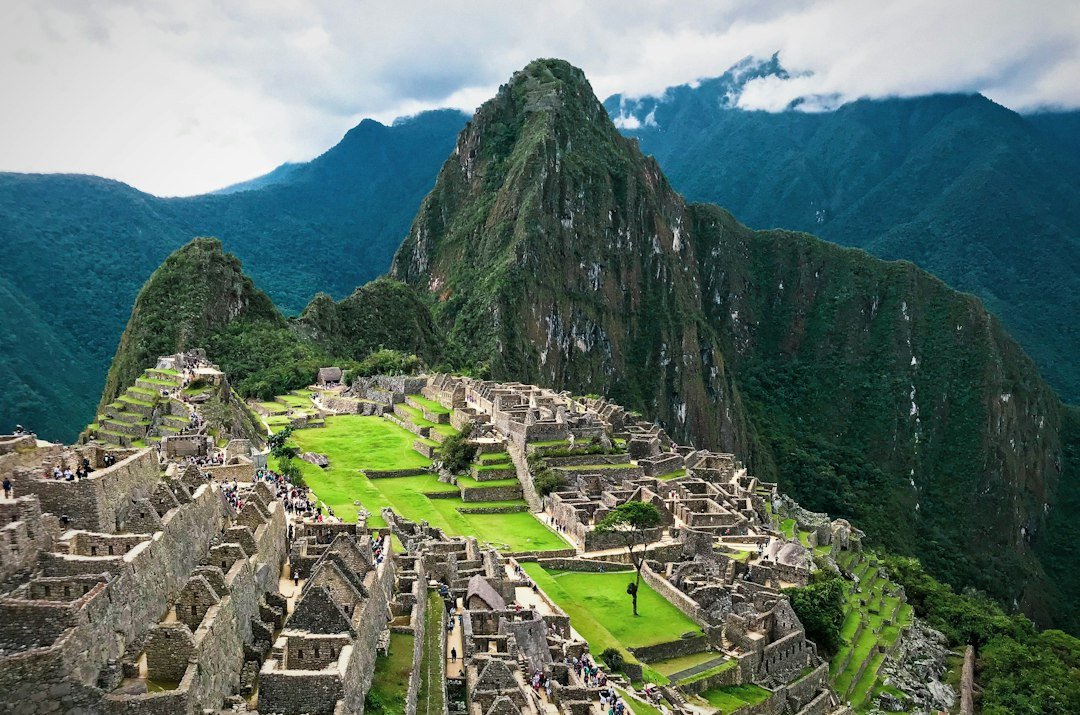
Peru's Ministry of Culture has scrapped advance reservation tickets for Machu Picchu, according to Euronews Travel, and only named tickets are now available for purchase, so your ID must match your ticket to enter.
Travelers now have 15 minutes to complete a purchase on the official ticketing website, Tu Boleto, before the reservation is dismissed and returned to circulation. The ministry said the change was made so that the "availability shown on the platform corresponds to tickets that can actually be purchased by the public".
The new system has been introduced as a trial run initially, and Euronews reports the 15-minute limit may be increased or decreased after that period.
Visitor caps have not changed. The citadel is limited to 5,600 visitors in high season and 4,500 in low season, and the Inca Trail network is capped at 750 visitors per day. There are also 1,000 tickets sold daily at the DDC-Cusco office in Machupicchu Pueblo, and those can be used the day after purchase.
Why it matters for remote workers and nomads: The report describes a trial, so details could shift, and it doesn't say how this affects specific dates or prices. Still, a named ticket means the name on your ticket has to match your ID, so we would book only once your travel documents are settled and check the official Tu Boleto site for current rules. With a 15-minute purchase window, it helps to have your details ready before you start checkout. If you're building a longer Peru stay around a Machu Picchu trip, our digital nomad starter kit can help you get organized.
Source: Euronews Travel
What is the new 64th US national park?
Chiricahua National Monument in southeastern Arizona was officially designated the 64th US national park on October 20, 2026, after President Trump signed the Chiricahua National Park Act, according to Condé Nast Traveler. It is the first new national park in nearly six years; the last was West Virginia's New River Gorge in 2020.
The park sits just over an hour from the Arizona–New Mexico border and is nicknamed the “Wonderland of Rocks” for its towering rock spires and unusual formations, the result of a volcanic eruption about 27 million years ago. It began as a national monument in 1924 and has more than 17 miles of hiking trails plus the Bonita Canyon Scenic Drive. It spans roughly 12,000 acres in the Chiricahua Mountains, between the Sonoran and Chihuahuan deserts, and is also an international dark sky park.
Not much changes on the ground beyond the new name and updated signage. Camping, scenic drives and hiking continue, and for now parking and the entrance fee remain free. The bigger shift may be attention: Condé Nast Traveler cites a 2018 Headwaters Economics report on White Sands, noting that national parks often see higher visitation than monuments, which could bring more crowds, traffic and development to nearby towns.
Why it matters for remote workers and nomads: The report says accommodation near the park is limited. Willcox is roughly 30–45 minutes away by car, and Tucson is about two hours away. That suggests this is a better fit for a short stay or a road-trip stop than a long-term base. If crowds do grow, booking ahead may help, though the article does not forecast timing. Check current conditions and lodging before you go. For more road-trip planning, see our Route 66 centennial road trip guide.
Source: Condé Nast Traveler
Can you now pay for hotel charges with Hilton Honors points in the app?
Yes, if you hold elite status: Hilton has launched Pay with Points, which lets Hilton Honors members use points to pay part of their bill through digital checkout in the Hilton Honors app, according to The Points Guy.
The program is limited to members with Silver, Gold, Diamond or Diamond Reserve status. It is rolling out first to 150 participating properties in the United States, spanning luxury, lifestyle and resort hotels, per a Hilton spokesperson quoted by TPG. Hilton could not share a property list, and eligible members will be notified by prearrival email if their hotel is participating in the test. The program is expected to reach 800 properties by the end of the year and over 6,000 in 2027 across the U.S. and Canada.
Eligible charges on the bill, including food, drinks and spa, can be paid with points. Hilton is not sharing a points-to-dollar conversion rate yet. TPG says Hilton appears to be the first major loyalty program to offer digital points payment for incidental charges, while Marriott Bonvoy and World of Hyatt offer fixed-rate options. TPG reports Hyatt converts 1,000 points to $10 at physical checkout, and Marriott converts 250 points to $1, a fixed 0.4 cents per point.
Why it matters for remote workers and nomads: For now this is a small U.S.-only test open to elite members, so most nomads will not see it on their next trip. Because the conversion rate is unknown, we would not plan around it yet. If you stay in hotels between longer rentals, it may eventually be a convenient way to use leftover points on incidentals. Check your pre-arrival email to see if your hotel is in the test. For longer stretches, see our guide to long-term stays and coworking for remote travelers.
Source: The Points Guy
What to watch
- How Peru adjusts the 15-minute Tu Boleto purchase window once the trial period ends.
- Whether Chiricahua's entrance fee stays free and visitation climbs after the national park designation.
- Hilton's Pay with Points expansion toward 800 properties by the end of the year, and whether it publishes a conversion rate.
You Might Also Like
Travel + Remote Work Briefing — October 21, 2026
Travel + Remote Work Briefing — October 20, 2026

Travel + Remote Work Briefing — October 19, 2026