
Mainstream Travelers Squeeze Into Nomad Budget Lane
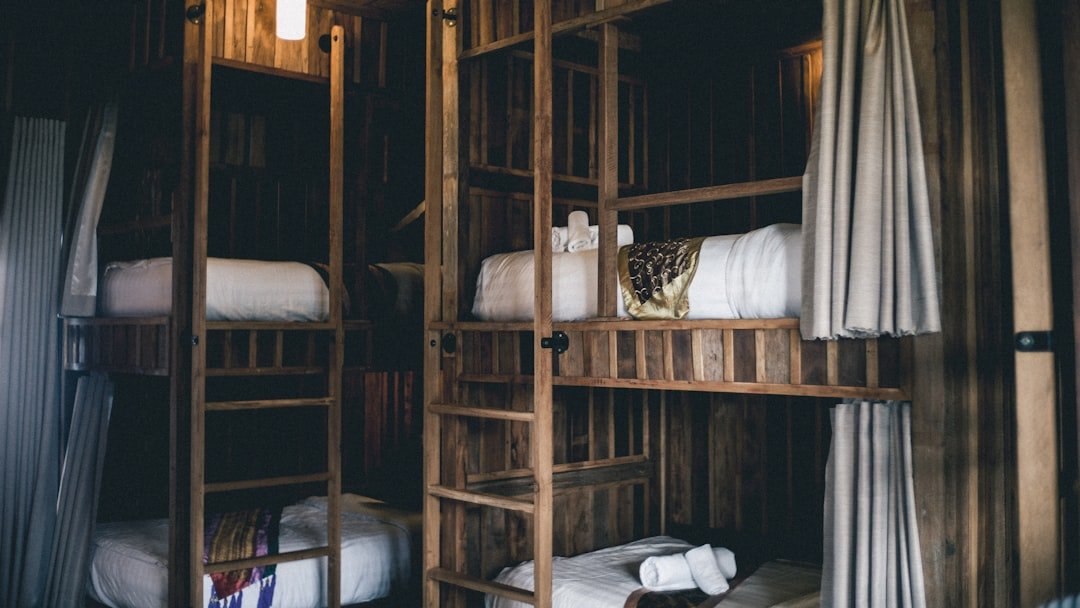
Hostel bookings from U.S. and Canadian travelers rose 10 percent in the first half of 2026 compared with the same period a year earlier, according to Hostelworld data reported by CNBC. Groupon's mystery-vacation packages — flash deals that send buyers to an undisclosed destination for $199 to $299 per person — logged around 5,500 orders in the second quarter, more than five times the volume from when the company had only its flagship product in the first quarter of 2025.
The shift is happening as travel costs climb broadly. Gas prices have jumped roughly 30 percent on an annual basis, and airline fares surged more than 25 percent year over year as of July, CNBC reported. Despite that, lower-income travelers — those earning under $36,675 a year — spent more on travel this summer than at any point since at least 2019, with July spending up 7 percent from a year earlier. Expedia told CNBC its budget-filter searches climbed more than 1,200 percent year over year, and Vrbo said bookings made within two weeks of a trip rose 16 percent year over year, both signs that travelers are chasing last-minute and lower-tier deals rather than skipping trips outright, figures also carried by ozarab.media.
What this means for remote workers and nomads
Long-stay remote workers and digital nomads already live at the budget end of the travel market by design — hostels, shoulder-season flights, extended-stay discounts. That corner of the market is no longer quiet. When mainstream travelers move into the same hostel inventory and the same last-minute flight deals nomads rely on, availability tightens and prices firm up faster than nomads may be used to.
The practical takeaway is timing. Hostelworld's 10 percent jump in U.S./Canadian bookings and Vrbo's 16 percent rise in last-two-week bookings both point to more competition for the exact inventory — dorm beds, budget apartments, flexible-date flights — that long-term travelers depend on to keep monthly costs low. Booking further ahead for peak windows, and building slack into a monthly budget for accommodation, is a more realistic strategy now than it was even a year ago, when budget travel infrastructure had less mainstream demand pressing on it.
It also suggests nomad-heavy platforms and hostels have less reason to discount aggressively to fill beds, since demand is coming from a wider slice of the traveling public, not just long-term travelers. For nomads used to negotiating monthly hostel or co-living rates in the off-season, that leverage may be softer than before. Tracking real costs before committing to a destination — rather than assuming last year's price levels still hold — is worth the extra hour of research this budget-travel-friendly starter kit approach already recommends for newcomers.
Sources
- From 'mystery vacations' to hostels, budget travelers get thrifty as prices rise — CNBC, accessed 2026-09-06
- Budget Travelers Seek Deals as Vacation Costs Rise — ozarab.media, accessed 2026-09-06
You Might Also Like
Travel + Remote Work Briefing — October 9, 2026

Travel + Remote Work Briefing — October 8, 2026
Travel + Remote-Work Briefing — October 7, 2026