American Airlines Reverses Course, Brings Back Seatback Screens Starting 2028
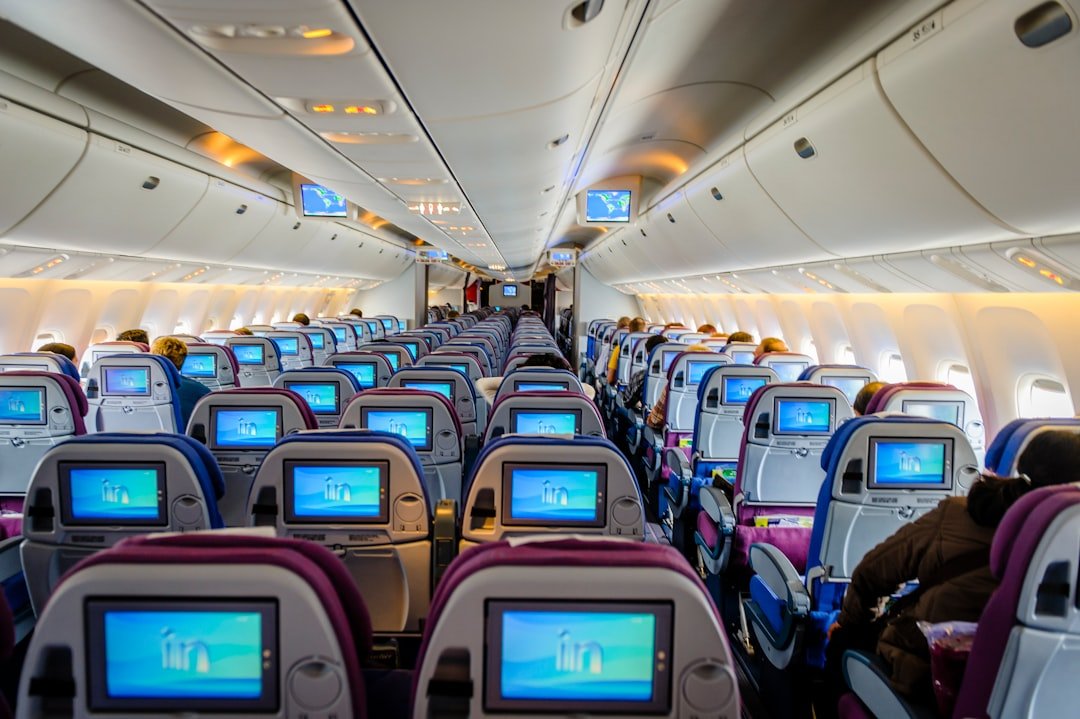
American Airlines is reversing a decade-old bet on bring-your-own-device entertainment. The carrier says it will install personal seatback screens across its narrowbody fleet starting in 2028, with the rollout targeted to reach the entire single-aisle fleet by the early 2030s, according to The Points Guy and confirmed in American's own announcement.
The change covers 876 mainline narrowbody aircraft, the workhorses of American's domestic and shorter international routes, per The Points Guy. American's widebody fleet — 140 twin-aisle planes used on long-haul international flights — already has seatback screens in every cabin, and new Airbus A321XLRs are also already equipped. Regional American Eagle aircraft are excluded from the plan. The new screens will be among the largest available on narrowbody aircraft and will include USB-C charging ports and Bluetooth connectivity, both outlets reported.
"We're making one of the most significant investments in the onboard experience in our history," Chief Customer Officer Heather Garboden said, according to American's announcement.
The move undoes a strategy that dates back to the 2014 US Airways merger, when leadership under then-CEO Doug Parker decided the cost of economy seatback screens outweighed the benefit, betting instead that passengers would stream entertainment to their own phones and tablets. At the time, only Delta and JetBlue offered economy seatback screens on narrowbody jets industry-wide, The Points Guy reported. United reversed its own no-seatback-screens approach in 2021.
American is separately expanding premium seating to 40% of narrowbody capacity, up from roughly 25% currently, adding more first-class and extra-legroom economy seats, per American's announcement.
What this means for remote workers and nomads
For nomads who spend long stretches on narrowbody routes — think transcontinental US hops, or shorter international legs on A321-family jets — the return of seatback screens is less about movies and more about not depending entirely on your own battery, storage, or a working Wi-Fi connection to stay occupied or entertained between work sessions. Built-in USB-C charging paired with a seatback screen means one less device drain to manage on a long workday-then-flight stretch, even if the screens themselves aren't a work tool.
It's also a signal about where the industry is heading on connectivity generally. American's about-face — after United dropped its own bring-your-own-device approach in 2021 — suggests airlines are no longer confident that phone and laptop streaming alone satisfies passengers, even as carriers separately race to roll out faster satellite Wi-Fi. For remote workers who've learned to treat in-flight Wi-Fi as unreliable rather than guaranteed, seatback screens returning as a fallback isn't a replacement for connectivity — it's an acknowledgment that BYOD-only cabins left a gap.
The catch for anyone planning ahead: this is a multiyear rollout, not an overnight fleet swap. Screens begin appearing in 2028 and the full narrowbody fleet isn't expected to be covered until the early 2030s, so travelers booking American narrowbody flights over the next few years should still expect the current bring-your-own-device experience on most routes, with widebody long-haul flights remaining the more screen-reliable option in the meantime.
Sources
You Might Also Like
Travel + Remote Work Briefing — October 21, 2026
Travel + Remote Work Briefing — October 20, 2026

Travel + Remote Work Briefing — October 19, 2026