
Strait of Hormuz Standstill: What Nomads in Dubai and Doha Should Watch Before Monday's Ceasefire Deadline
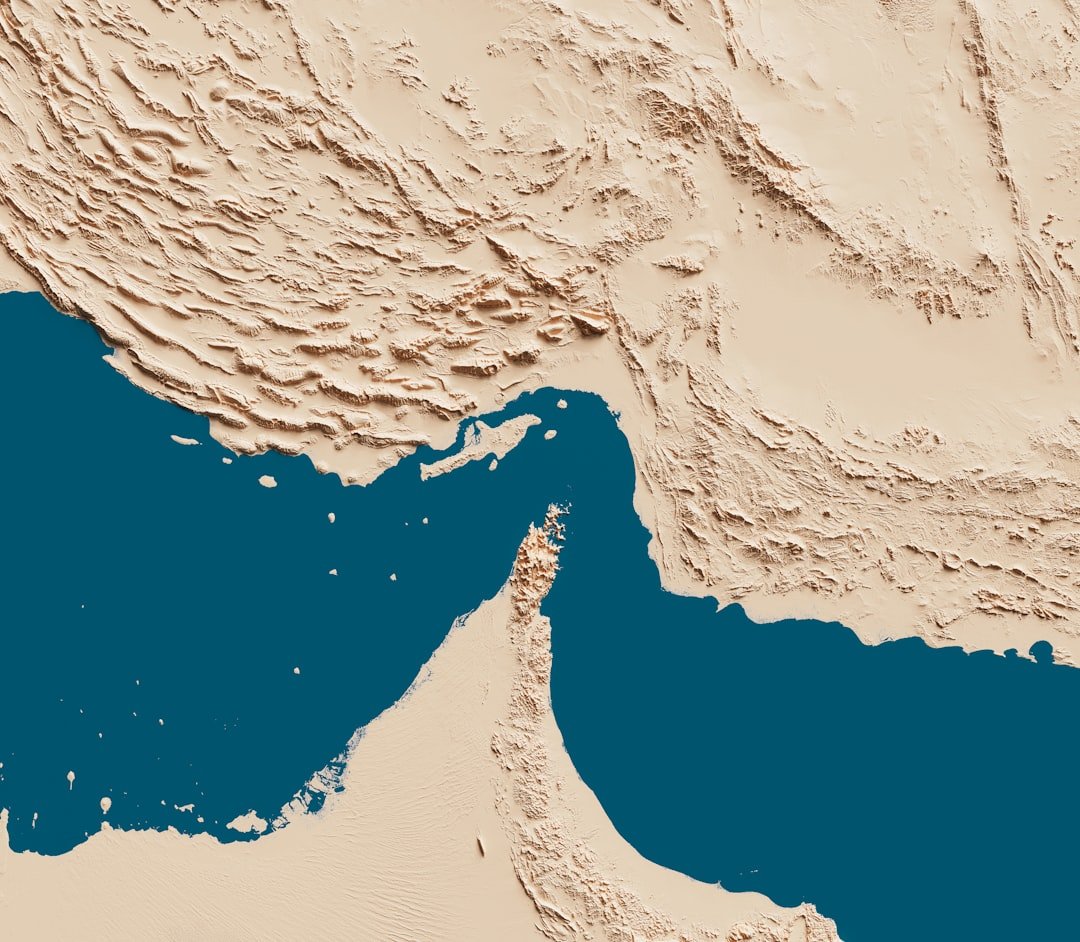
Shipping traffic through the Strait of Hormuz has nearly stopped as a 60-day ceasefire between the United States and Iran heads toward its Monday, August 18 expiry with no deal in sight, according to CNBC Africa. Only five cargo vessels passed through the strait on Saturday, and none were registered on Sunday, compared with 31 vessels the previous weekend — a roughly 90% drop in traffic since fighting began on February 28.
For remote workers who transit or live in Gulf hubs like Dubai and Doha, the standoff is a reminder that the region's aviation picture can shift fast, even when passenger flights themselves haven't been directly disrupted this week.
Why nomads should pay attention now
Iran's Deputy Foreign Minister Kazem Gharibabadi said the strait would remain under "Iran's command," while Foreign Minister Seyed Abbas Araghchi said the two countries do not currently have anything resembling a ceasefire, according to Iranian outlet Shahrara News cited by CNBC Africa. President Trump has said he intends to declare the strait "a territory of the United States." None of that points toward a calm resolution before Monday's deadline.
Aviation regulator EASA has kept a standing advisory telling operators not to fly into Iranian, Iraqi, or Lebanese airspace at any altitude, and to exercise caution and maintain updated risk assessments when operating in Bahrain, Kuwait, Israel, Jordan, Qatar, Oman, the UAE, and Saudi Arabia. That caution zone covers the two biggest nomad and layover hubs in the Gulf, Dubai and Doha.
The picture has also been volatile week to week. Wego's travel disruption tracker reports that Qatar Airways and Etihad Airways only resumed flights to Bahrain, Kuwait, and Erbil on August 8 after roughly three-week suspensions, and that Qatar Airways has cut US route capacity by more than 10% year-on-year. Some travelers are already routing around the region entirely — Wego notes Seoul's Incheon airport has become the world's busiest for international passengers partly because of the ongoing Middle East disruption.
What this means for remote workers and nomads
If you're based in or connecting through Dubai, Doha, or another Gulf hub in the coming days, treat Monday's ceasefire deadline as a trigger to actively check your itinerary rather than assume it will hold automatically. A few concrete steps:
Check your specific route, not the general news. Wego's live blog and EASA's conflict-zone advisories update by FIR (flight information region) — a flight that avoids Iranian and Iraqi airspace can still be routed safely through Dubai or Doha, but confirm with your airline directly rather than assuming.
Book with flexible or refundable fares if you have any flights booked through the region this week. Given how quickly capacity has swung (three-week suspensions, double-digit capacity cuts on some carriers), a non-flexible ticket is a real risk right now.
Have a backup routing in mind. Travelers are already rerouting through Asian hubs like Incheon and Bangkok to avoid Gulf airspace uncertainty — worth knowing those options exist if your Gulf layover gets disrupted.
Register with your embassy's travel advisory system if you're staying in the region past Monday, so you get direct alerts if the situation escalates rather than relying only on news updates.
None of this means Gulf hubs are unsafe to fly through today — passenger flights have largely continued operating even as cargo shipping has ground to a near-halt. But the ceasefire's expiry is the kind of hard deadline that's worth building slack around if your travel plans touch the region this week.
Sources
You Might Also Like

Travel + Remote Work Briefing — October 22, 2026

Travel + Remote Work Briefing — October 21, 2026

Travel + Remote Work Briefing — October 20, 2026