
Europe's New Nomad Country Index Misses the Real Trade-Offs
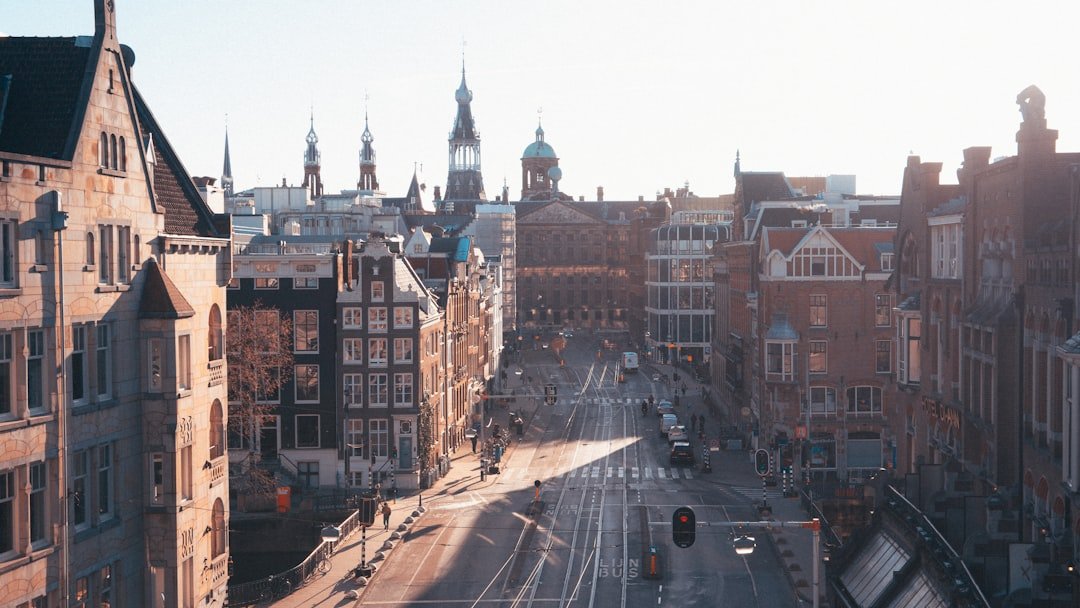
Estonia topped a new ranking of the best European countries for digital nomads in 2026, according to an index from LEI Register reported by Euronews on Aug. 10. The index scored 40 countries across 19 metrics — rent, groceries, Wi-Fi speeds, coworking-space availability, safety, digital nomad visa cost and duration, English proficiency, healthcare, local events and Airbnb availability. The study puts Estonia's average city-center rent at about €573 a month, groceries around €247.80, and its one-year digital nomad visa at €85, alongside what the index found to be the highest safety rating of the 40 countries.
Iceland ranked second despite far higher costs: the index puts its rent at about €2,098 a month and groceries at €541.62 — well above Estonia's combined living costs — in exchange for what the study found to be the fastest internet and the most coworking spaces of any country ranked. Portugal placed third, with rent near €919 a month, a one-year visa priced at €80, and what the index describes as excellent internet. Montenegro came in fourth: rent around €576, groceries at €211.22, and a visa priced at just €26 — the cheapest in the study — lasting up to 730 days, among the longest durations on the list. Croatia rounded out the top five, with rent near €663 a month and a 540-day visa, even though the index found Croatia's internet to be the slowest of the countries it measured, according to Euronews.
At the bottom, Ireland and Switzerland scored lowest largely because neither offers a digital nomad visa, the study found — Switzerland's rent, per the index, runs about €1,785 a month on top of that gap. Belarus and Bosnia and Herzegovina were marked down for weak internet and coworking infrastructure rather than cost. France's result was the most counterintuitive: the index credits it with strong healthcare and internet but records no digital nomad visa, low English proficiency and, on the study's own safety index, the lowest score of the 40 countries measured. Forbes covered the same index and reported similar figures for Estonia's rent and visa cost, plus Ireland and Switzerland's missing visa as the deciding factor behind their low rankings.
What this means for remote workers and nomads
A composite score rewards countries that are decent across many categories, not the one thing a specific nomad needs most. Montenegro's €26, up-to-730-day visa is arguably the best value in the table for anyone tracking the Schengen 90-day clock, yet it still ranks behind Iceland, where the study's own rent figure runs nearly four times higher. Someone optimizing for burn rate should read the rent-and-groceries columns — Estonia, Montenegro and Croatia all cluster under €900 combined, per the study's own figures — rather than the overall rank; someone dependent on video calls should weight the study's internet and coworking findings instead, which favor Iceland, not Estonia. A low score here can also simply mean no digital nomad visa exists, not that a country is unlivable: Ireland and Switzerland's placement reflects a legal gap, and France's last-place safety score is one data point from one methodology, not an independent verdict. Confirm any visa cost, duration, income or document requirement directly with the relevant embassy before planning around this or any index — our guide to digital nomad visa countries is a starting point, and travelers comparing overall cost of living can also check our roundup of cheap remote-work destinations.
Sources
Revealed: The best European countries for digital nomads in 2026 — Euronews, accessed 2026-08-11
Rent, Safety, Visas: Where Digital Nomads Should Go In Europe In 2026 — Forbes, accessed 2026-08-11
You Might Also Like

Travel + Remote Work Briefing — October 24, 2026

Travel + Remote Work Briefing — October 22, 2026
Travel + Remote Work Briefing — October 21, 2026