FAA's $875M Flyways Bet Could Cut Flight Delays
The Federal Aviation Administration has awarded a startup called Air Space Intelligence an $875 million contract to overhaul how planes move through US skies, using AI-powered "flyways" already being tested by Alaska Airlines — a reform that could significantly reduce the cascading delays that derail nomad travel plans.
The program, called SMART (Strategic Management of Airspace, Routes, and Trajectories), is part of the Trump administration's broader push to modernize air traffic control. FAA administrator Bryan Bedford described the current national airspace as "woefully unorganized," saying no facility today has the ability to see the full national picture in a unified way, according to NPR's reporting.
How Flyways AI Actually Works
Air Space Intelligence's software — branded Flyways AI — processes real-time data on air traffic, weather patterns, and upper-level winds to suggest more efficient routes to dispatchers. It acts as a decision-support tool, not an autonomous system; a dispatcher retains full control over final routing decisions.
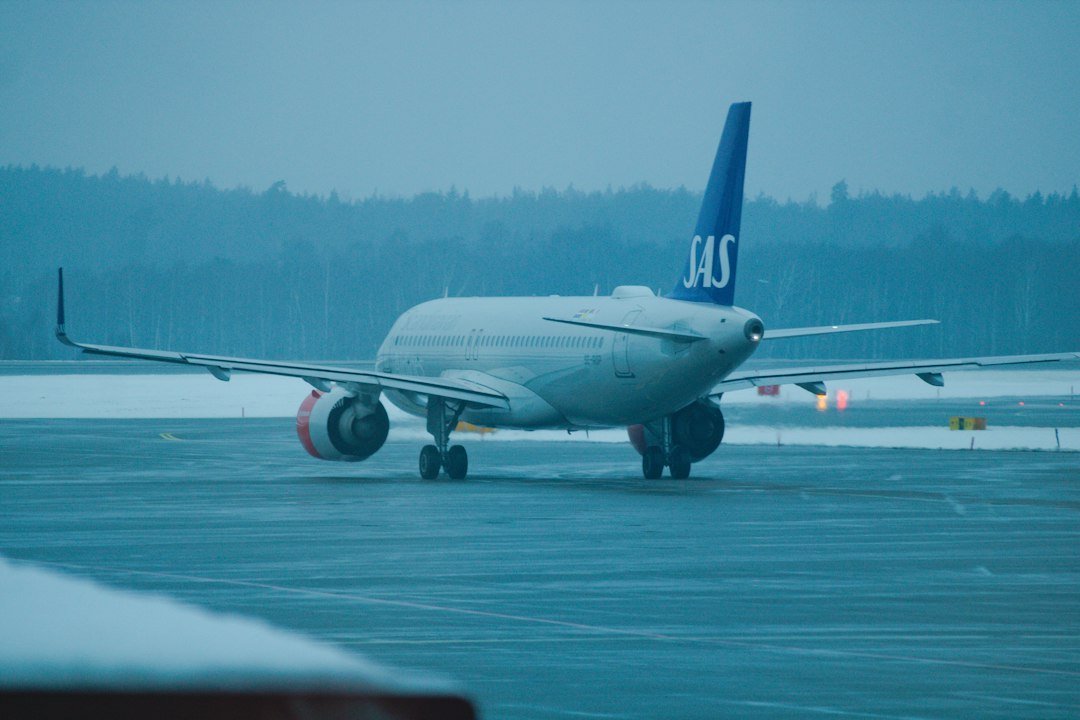
Alaska Airlines began piloting Flyways in 2021, making it the first carrier to adopt the system. The airline runs roughly 1,500 flights daily and says the technology now saves tens of thousands of flight hours and approximately one million gallons of fuel per year, according to NHPR's reporting on the NPR investigation. Bret Peyton, Alaska's managing director of network operations control, acknowledged that winning over veteran dispatchers — some with 10 to 20 years of experience on static displays — was one of the harder adoption challenges.
Delta Air Lines, United Airlines, the US Army, and the US Air Force have since adopted Air Space Intelligence technology. The FAA's SMART contract signals the agency intends to scale the same approach across the entire national airspace system.
What This Means for Remote Workers and Nomads
For the location-independent traveler bouncing between time zones, flight delays are more than an inconvenience — they can blow a co-working reservation, a visa entry window, or a client call that took weeks to schedule across continents. Reviewing the scope of this reform, we found several near-term and longer-term implications worth tracking.
In the short term, the SMART program is still in early rollout — $875 million contracts of this scale typically take years to fully deploy across hundreds of control facilities. The benefit to passengers will not be immediate. What Alaska's five-year Flyways track record does show, however, is that the underlying technology has already produced measurable results at a major carrier, which reduces the "unproven" risk typically associated with FAA modernization promises.
Longer term, a more coordinated national airspace should reduce the ground-stop and ground-delay programs that propagate from hub congestion to regional routes. For nomads who rely heavily on domestic connections — particularly through delay-prone hubs — fewer systemic bottlenecks mean better odds that an itinerary holds together. Pairing route-awareness tools like cheap flights search strategies with a less congested airspace could compound the savings.
We'll also note the relevance for those already navigating airline reliability questions: our earlier analysis of what flight cancellations mean for nomads in 2026 remains a useful benchmark for how structural air traffic improvements translate — or don't — into on-time performance at the passenger level.
Sources
The FAA wants to reboot the nation's airspace. This airline shows how it might work — NPR, August 10, 2026
The FAA wants to reboot the nation's airspace. This airline shows how it might work — NHPR / NPR, August 10, 2026
You Might Also Like

Travel + Remote Work Briefing — October 22, 2026
Travel + Remote Work Briefing — October 21, 2026

Travel + Remote Work Briefing — October 20, 2026