
Aug 12 Eclipse: Where Nomads Can Chase Totality
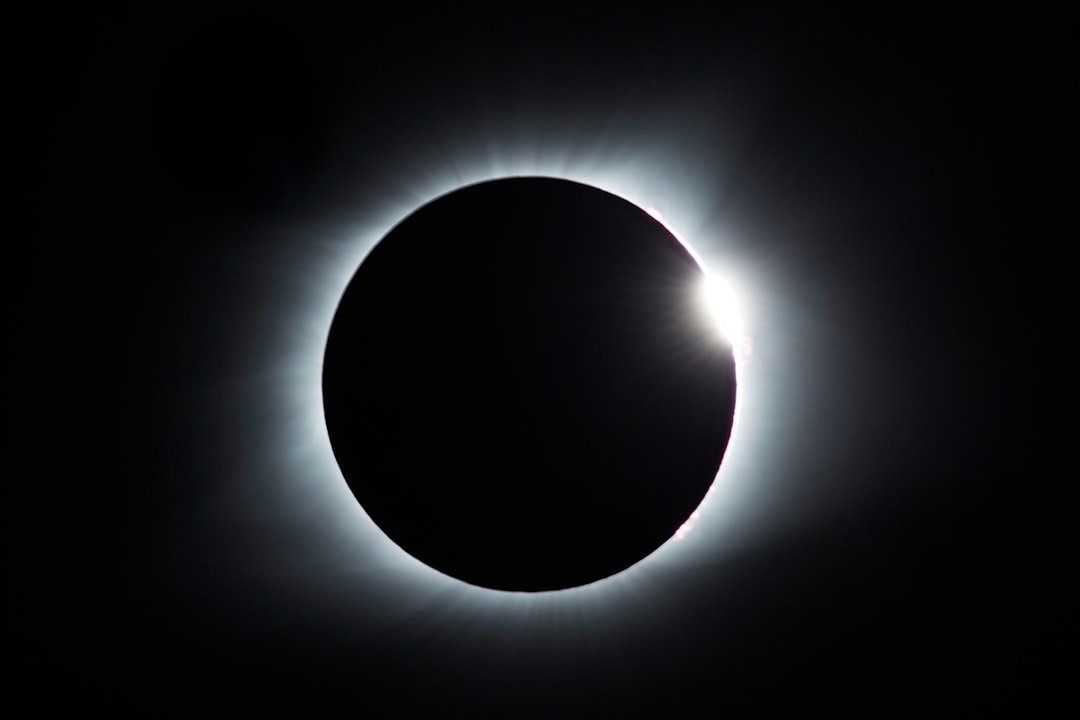
A total solar eclipse will cross Iceland and Spain on August 12, 2026. For the handful of countries in the path of totality, the event will last less than two minutes at most viewing locations, according to NASA, with a maximum of 2 minutes and 18 seconds near the centerline just off Iceland's western coast, per Wikipedia.
The path runs from northernmost Siberia through the Arctic, across Greenland, over Iceland, across the Atlantic, and into northern Spain and a narrow corner of northeastern Portugal, according to Wikipedia's eclipse record. Spanish cities squarely in the totality corridor include A Coruña, Valencia, Zaragoza, Palma, and Bilbao. Madrid and Barcelona, despite near-total coverage, sit just outside the path. On the same evening, the Perseid meteor shower peaks, producing up to roughly 50 meteors per hour under dark skies — a rare celestial double-header, per Forbes, that has driven eclipse travel demand sharply higher.
Accommodations in the path still exist, but prices reflect the demand surge. AFAR's last-minute guide lists hotels ranging from $880 to more than $6,275 per night, as of mid-July. Flexibility is the key differentiator: travelers willing to rent a car and drive toward the centerline from a nearby city have a much wider range of lodging options than those insisting on a single destination hotel on the path itself.
One safety point: NASA specifies that viewers must use certified eclipse glasses that meet the ISO 12312-2 international standard for any partial phase. Only during totality itself — those brief moments when the sun is fully blocked — is it safe to look without eye protection.
What this means for remote workers and nomads
For nomads already based in Europe, August 12 is a rare low-cost entry point into eclipse chasing. If you're working from Spain, Portugal, or Iceland this month, you're within a reasonable train or drive of totality without booking a flight at all. The Spanish cities in the path — particularly the northern coast around Bilbao and A Coruña — are established digital nomad hubs with reliable coworking infrastructure, meaning there's no need to choose between catching the eclipse and keeping a workday intact. A morning of deep work followed by an evening drive toward the centerline is genuinely achievable.
For nomads still planning their base, this is a practical reminder of how astronomical events increasingly function as travel triggers — and how flexible location strategies pay off. Staying in the Canary Islands, southern France, or Barcelona this week still puts you within a short, last-minute flight to the path at a fraction of the cost of organized tours. Reviewing our guide to travel gadgets for digital nomads is worth doing before you go: a pair of certified solar glasses, a portable battery pack, and an offline map download are the three items that most commonly get overlooked by first-time eclipse chasers traveling light. Pack them, position yourself on the centerline by late afternoon on August 12, and you will not need to wait another generation for a comparable view from European soil.
Sources
- Total Solar Eclipse on August 12, 2026 — NASA, accessed 2026-08-09
- Solar eclipse of August 12, 2026 — Wikipedia, accessed 2026-08-09
- How to Book a Last-Minute 2026 Solar Eclipse Trip — AFAR, accessed 2026-08-09
- Fancy Trying Astrotourism? Don't Miss August 12, 2026 — Forbes, accessed 2026-08-09
You Might Also Like

Travel + Remote Work Briefing — October 22, 2026
Travel + Remote Work Briefing — October 21, 2026
Travel + Remote Work Briefing — October 20, 2026