
AI Hiring Filters Are Flagging Nomad CVs as Red Flags
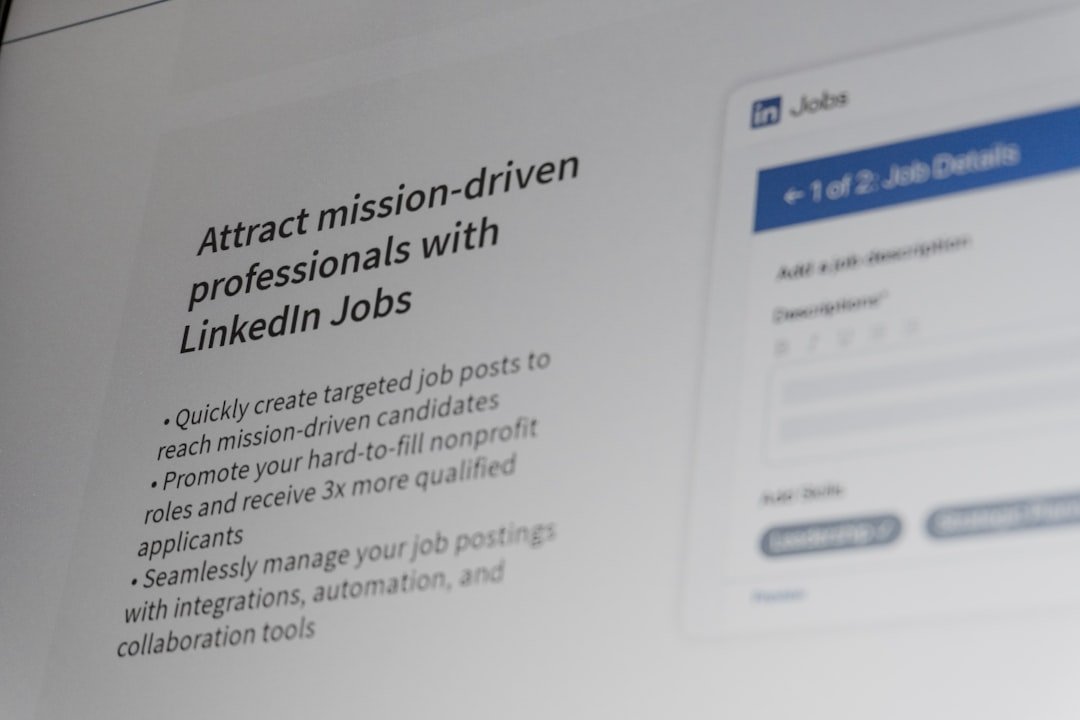
A BBC Business report published this week interviewed more than 60 women between the ages of 40 and 65 who described systematically failing to get callbacks after applying for jobs through AI-screened platforms. One woman submitted 442 applications with few responses. Another spent 16 months searching while receiving almost nothing back. The common thread: careers that looked unconventional to an algorithm.
The central problem BBC reporters identified is that AI applicant tracking systems — the software that filters CVs before a human ever sees them — treat career gaps, short-term contracts, and non-linear histories as negative signals. These patterns are not aberrations. For many experienced professionals, they are the résumé.
AI screening is now the default, and bias is baked in
Adoption of AI resume screening software among HR teams doubled from 26 percent to 43 percent between 2024 and 2025, according to SHRM data. Researchers at Brookings separately found measurable gender disparities in how AI tools rank resumes: when scoring was unequal, men's resumes were favored in roughly 52 percent of cases while women's names led in just over 11 percent.
The BBC investigation singled out Workday — one of the most widely deployed HR software platforms — as facing a California lawsuit for allegedly discriminatory screening. Dr. Eleanor Drage, a senior researcher at the University of Cambridge, told the BBC the logic these tools operate by is fundamentally flawed. Caroline Haines of the City of London Women Pivoting to Digital Taskforce said there is broad concern that AI screening does not account for the skills of a large body of experienced candidates.
A survey of more than 1,000 women cited in the BBC report found 68 percent had received no employer-funded retraining opportunities, compounding the risk of being locked out as AI-gated hiring widens.
What this means for remote workers and nomads
Reviewing the BBC findings alongside the broader research, the picture is stark for location-independent workers. The same traits that make a nomad career coherent to a human reviewer — freelance contracts between full-time roles, location changes that explain employer switches, gaps taken for visa transitions or slow seasons — are precisely what AI filters are built to penalize.
A nomad CV often reads as a red flag to an algorithm even when it reflects consistent professional output. Contract work across multiple short engagements scores differently than a single employer across the same period. Location-linked employer changes look like instability. Time spent between gigs while relocating registers as unexplained unemployment.
The practical response is to optimize for how machines read before a human gets involved. Using the exact keywords from a job description in role titles increases the chance of clearing the filter. Consolidating contract and freelance work under a single header — "Independent Consultant" or a project-based title — reduces the appearance of gaps. Framing each role around measurable outcomes gives the system something concrete to parse.
It also helps to recognize that the skills central to a nomad career — adaptability, self-direction, cross-cultural communication — are largely invisible to keyword-matching tools. Translating those capacities into industry-specific language is the real work of AI-era job hunting. The hidden realities of nomad work include exactly this gap: between how nomads describe their experience and what employers' screening systems are built to recognize.
Sources
"'I've had to Botox my CV': Are AI recruitment tools affecting women's careers?" — BBC Business via Yahoo News, August 6, 2026
"Gender, race, and intersectional bias in AI resume screening via language model retrieval" — Brookings Institution, April 25, 2025
"AI Resume Screening: Accuracy, Bias & Checks 2026" — Yena.ai, May 29, 2026
You Might Also Like

Travel + Remote Work Briefing — October 22, 2026

Travel + Remote Work Briefing — October 21, 2026

Travel + Remote Work Briefing — October 20, 2026