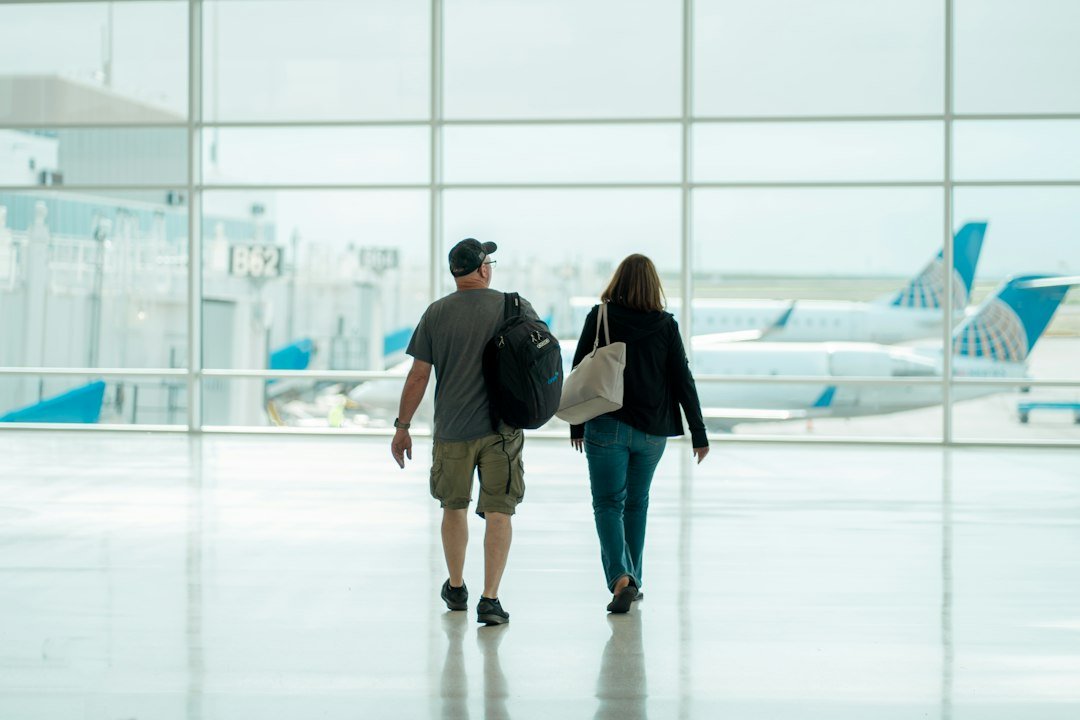
TSA Biometric E-Gates Skip the ID Line at 3 Airports
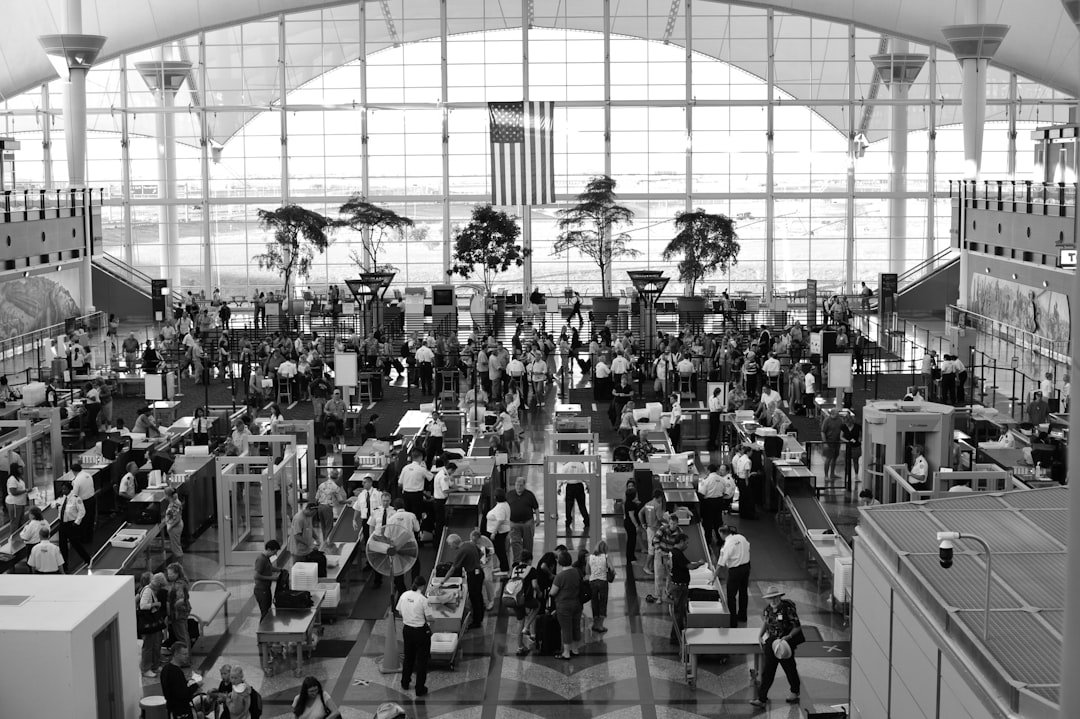
The TSA and biometric identity company CLEAR have launched facial-recognition e-gates at three major U.S. airports — Hartsfield-Jackson Atlanta (ATL), Ronald Reagan Washington National (DCA), and Seattle-Tacoma (SEA) — replacing the traditional agent-staffed document-check podium with an automated gate that scans a traveler's face and verifies identity in seconds.
The pilot, which debuted in August 2025 and is now operating across all three locations, is open on an opt-in basis to CLEAR Plus members. The e-gate matches a live face scan against the traveler's identity document and boarding pass. Once the system clears the match, the gate opens automatically. Passengers still proceed to the standard bag-and-body screening line afterward — the biometric step replaces only the document-check podium, not the X-ray conveyor.
The rollout is a public-private partnership: CLEAR is funding the hardware and integration at no cost to taxpayers, while TSA retains full operational control — including triggering gate access, running security vetting, and enforcing federal requirements. CLEAR cannot access TSA watchlists or manually override a gate decision.
TSA has described the program as a foundation for a much wider rollout. According to Nextgov/FCW, the agency plans to deploy facial-recognition verification technology at more than 400 airports in coming years, with the current pilot accelerated by preparations for the 2026 FIFA World Cup, which is expected to bring over 20 million international visitors to the United States. TSA's Acting Deputy Administrator Adam Stahl described the CLEAR partnership as a demonstration of working with stakeholders to improve security and hospitality for American travelers.
Access currently requires a CLEAR Plus membership, which costs $209 per year. That is a separate program from TSA PreCheck; PreCheck members do not gain automatic access to the e-gates, though PreCheck's own Touchless ID program — which lets enrolled travelers scan their face instead of showing physical documents at a staffed podium — continues to operate independently. Travelers who do not want to use biometric scanning can decline and request a standard inspection at any time.
Federal lawmakers requested a Department of Homeland Security inspector general review of TSA's broader facial-recognition deployment last November, and an audit was announced for 2025, signaling that privacy scrutiny of the technology is ongoing.
What This Means for Remote Workers and Nomads
For digital nomads and frequent fliers who pass through ATL, DCA, or SEA regularly, the e-gates offer a genuinely faster document check — but the benefit is gated behind a $209 annual CLEAR Plus subscription. If you already hold a CLEAR Plus membership, the opt-in is worth trying the next time you are at one of the three pilot airports.
The more significant development is the long-term trajectory. A TSA plan to bring this technology to more than 400 airports would eventually make biometric checkpoints the default experience at nearly every U.S. airport — similar to how PreCheck shifted from a novelty to an expectation for frequent travelers. Nomads who are building the skills and routines that make frequent travel sustainable may want to factor biometric enrollment into their airport workflow now, before these gates become the primary lane at busy hubs. The opt-out right remains protected for now, but the direction of travel is clear: document-check agents at the podium are being phased out in favor of automated face-matching, and the process is moving faster than most travelers realize.
Sources
CLEAR to Launch eGate Pilot Program at Select U.S. Airports Ahead of FIFA World Cup 2026 — CLEAR Secure, Inc. (IR), accessed 2026-07-31
TSA, CLEAR rolling out biometric eGates at 3 U.S. airports ahead of broader deployment — Nextgov/FCW, accessed 2026-07-31
What To Know About the TSA's New eGates — Daily Passport, accessed 2026-07-31
You Might Also Like
Travel + Remote Work Briefing — October 24, 2026

Travel + Remote Work Briefing — October 22, 2026

Travel + Remote Work Briefing — October 21, 2026