Hawaiian Airlines' 717s Giving Way to 737-800s on Island Hops
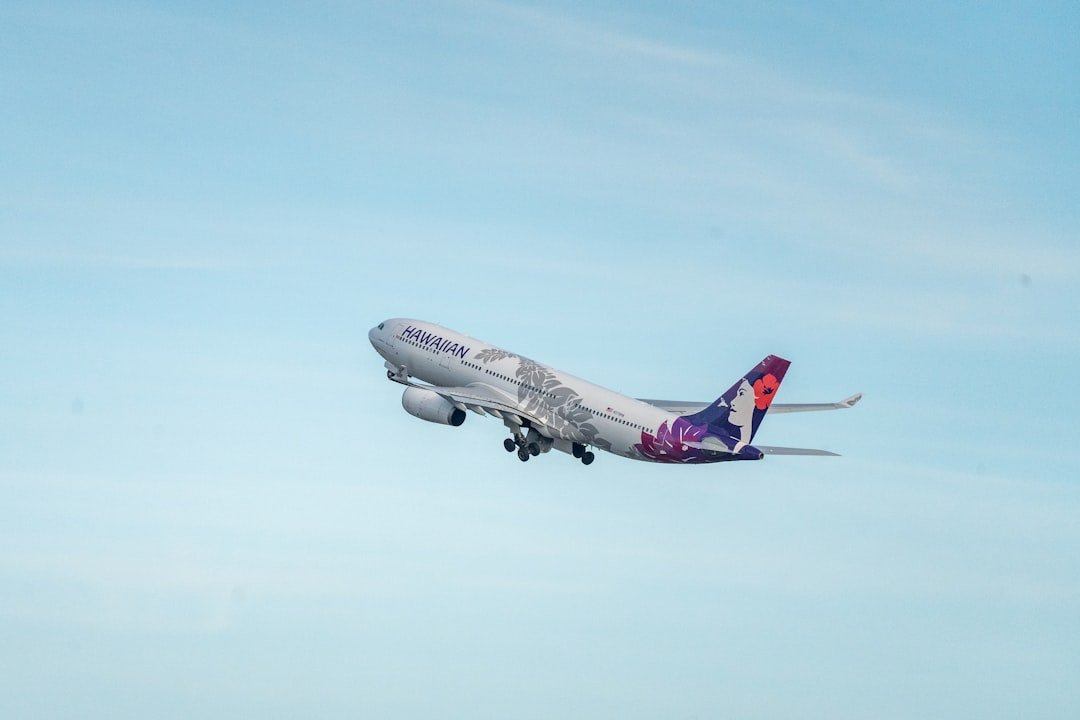
Hawaiian Airlines plans to retire its Boeing 717 fleet on inter-island routes and replace it with Boeing 737-800s, the company confirmed in an announcement this month. The transition goal is set for 2028, with an interim step arriving sooner: a single Alaska-branded 737 will begin flying three round trips daily between Honolulu (HNL) and Kahului (OGG) starting in October 2026.
The 717s currently operating on neighbor island routes average roughly 25 years in service, according to reporting by The Points Guy. The incoming 737-800s will carry more passengers per departure — the 717 seats approximately 123 to 128 passengers, while the 737-800 configuration for Hawaiian is reported at 161 seats — and will include Starlink Wi-Fi, reclining Recaro leather seats, and additional cargo space for items like surfboards.
Context
Alaska Airlines completed its acquisition of Hawaiian Airlines in 2024 and has since been working through the operational integration. The inter-island network is a particularly sensitive piece of that puzzle: Hawaiian currently operates up to 160 daily inter-island flights across five airports — Honolulu, Maui, Lihue, Kona, and Hilo — making it far more than a domestic airline in the usual sense. For many Hawaii residents, these short hops function more like commuter rail than traditional airline travel.
The official press release from Alaska Airlines notes that the goal is to begin the fleet transition in 2028 and that additional details will be shared as planning continues. Notably, Alaska did not specify how many 737-800s it intends to dedicate to inter-island service. The planned aircraft will be based in Honolulu and flown by Honolulu-based crews under the Hawaiian Airlines brand.
Hawaiian Airlines CEO Diana Birkett Rakow framed the decision as a long-term investment, saying the move reflects a commitment to honor "the local expertise, culture and care that have made Hawaiian the airline of Hawai'i for nearly a century."
What this means for remote workers and nomads
For remote workers who base themselves across multiple Hawaiian islands — a growing segment given Hawaii's steady appeal to location-independent professionals — this fleet change carries real practical implications.
More seats per departure means better odds of finding last-minute availability on short notice, which matters when your "commute" is a 30-minute island hop between a client meeting on Oahu and a home office on Maui. The addition of Starlink Wi-Fi is notable: the 717 currently has no in-flight connectivity, so even a 25-minute hop has historically been a connectivity dead zone. Under the new configuration, that same flight becomes a workable window — sufficient for a Slack catch-up or a quick email run before landing.
The caveat worth watching is timeline. The full fleet transition is targeted for 2028, and Alaska has not yet committed to a specific count of 737-800s for the inter-island operation. What will be available in October 2026 is a single Alaska-branded aircraft on one route. Nomads evaluating Hawaii for a multi-island base should treat that as a pilot program rather than the transformed network. If you're building a lifestyle around island-hopping flexibility, our digital nomad starter kit covers what to budget for this kind of living arrangement while the transition plays out.
Sources
- Hawaiian Airlines to phase out Boeing 717s on inter-island flights — The Points Guy, accessed 2026-07-21
- Alaska Airlines selects 737-800s to strengthen Hawaiian Airlines' Neighbor Island service — PRNewswire / Alaska Airlines, accessed 2026-07-21
You Might Also Like

Travel + Remote Work Briefing — October 15, 2026

Travel + Remote Work Briefing — October 14, 2026

Travel + Remote Work Briefing — October 13, 2026