
In-Flight Wi-Fi Is Still Broken for Remote Workers
Airlines have been loudly advertising "fast, free" in-flight Wi-Fi, but the reality at 35,000 feet is falling well short of those promises. A wave of passenger complaints about slow or completely unusable connections prompted a detailed investigation by The Points Guy published July 2, 2026, pointing to a satellite capacity crunch as the root cause — and a fix that is still months away for most travelers.
The core problem traces to Viasat, the connectivity provider supplying internet service to American Airlines, Delta Air Lines, Southwest Airlines, JetBlue, and others. A Viasat satellite launched in 2023 that was intended to expand network capacity failed to perform as planned. Don Buchman, Viasat's president of aviation, acknowledged the gap, telling The Points Guy: "Unfortunately, we got caught in a little bit of a spot where there wasn't as much capacity as we had planned to be on orbit." Viasat launched a replacement satellite in April 2026 and expects capacity to roughly double by end of summer 2026. Delta's Wi-Fi upgrades are expected around August 2026 under that timeline. On long-haul and transoceanic routes, airlines using Panasonic connectivity — including some American and United widebody jets — have faced a separate problem: prolonged outages that left passengers without any connection for hours.
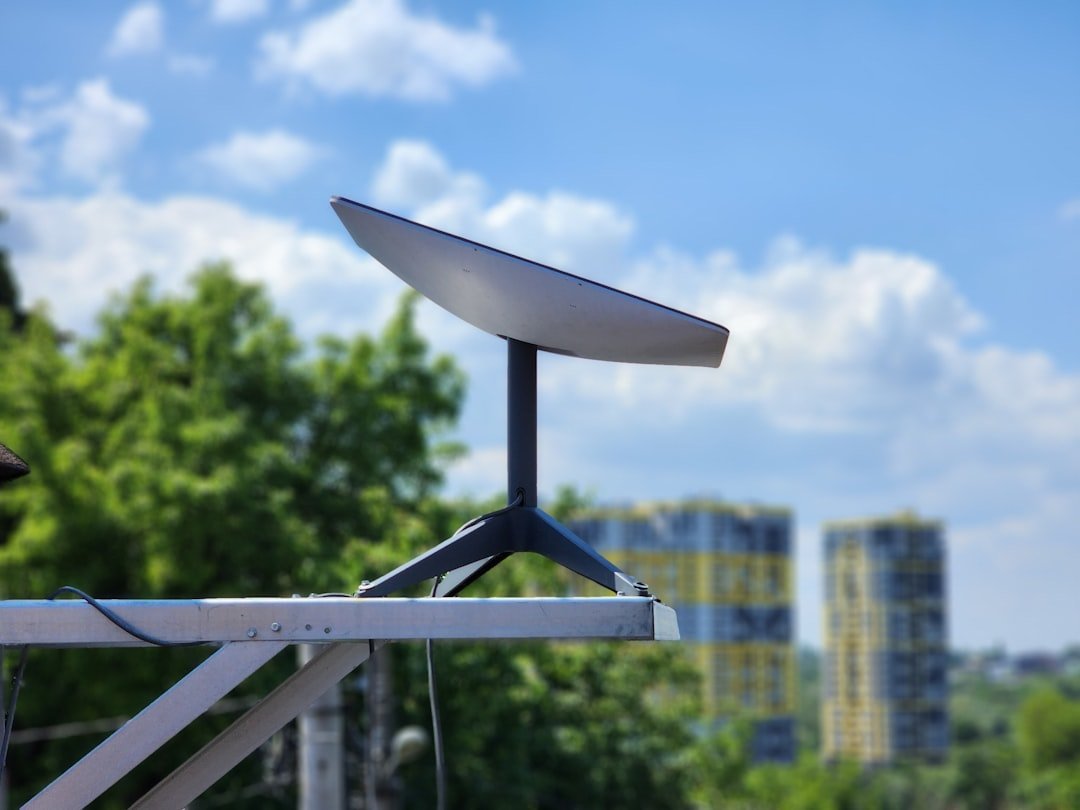
The alternative gaining the most traction is SpaceX's Starlink, which uses low-Earth orbit satellites rather than the geostationary systems Viasat and Panasonic rely on. The technical gap is meaningful: Simple Flying reports Starlink delivers download speeds up to 350 Mbps with sub-30-millisecond latency, while older geostationary systems typically face latency of at least 600 milliseconds — fast enough for email, but unreliable for video calls. United Airlines and Southwest are both mid-retrofit. One Mile at a Time reports United has equipped more than 400 aircraft as of mid-2026, with a target of 1,000 planes by year-end. The catch: each aircraft type requires a separate FAA Supplemental Type Certification, and United's Boeing 787 fleet is still awaiting approval. Southwest is targeting more than 300 aircraft retrofitted by end of 2026. Each installation runs eight hours per plane, and the hardware costs between $170,000 and $300,000 per aircraft — explaining why airlines are pacing the rollout rather than doing it all at once.
What this means for remote workers and nomads
The marketing language has gotten ahead of the engineering. Booking a flight with "free Wi-Fi" in the description does not mean you will land a usable connection, and that distinction matters when your workday is on the line.
Until the Viasat capacity fixes fully materialize — which the company itself is not promising before late summer 2026 — and until Starlink retrofits reach the bulk of major fleets (United's own timeline runs to summer 2027 for widebody aircraft), treating any given flight as a reliable work environment is a gamble. A safer approach for deadline-sensitive work: download everything you need before boarding, front-load calls and meetings to ground time, and use flight hours for offline tasks like writing, editing, or reviewing documents. If Starlink connectivity is a hard requirement, our digital nomad starter kit guide covers how to research an airline's actual fleet assignment before booking — aircraft type, not just route, determines which connectivity system you get. Hawaiian Airlines has equipped its entire current Airbus fleet with Starlink, and Qatar Airways has completed installation across its entire A350 fleet and has equipped more than 80 percent of its Boeing 777 fleet, with full fleet completion targeted for end of 2026 — both are among the most consistent high-speed options available today. For the rest, assume you are flying offline until proven otherwise.
Sources
The 'fast, free' inflight Wi-Fi rollout hits a speedbump — The Points Guy, July 2, 2026
The Airlines Racing To Replace Slow Plane WiFi With Starlink In 2026 — Simple Flying, accessed July 3, 2026
United Airlines Free Starlink Wi-Fi Rollout Completion Expected By Late 2027 — One Mile at a Time, accessed July 3, 2026
You Might Also Like

Travel + Remote Work Briefing — October 15, 2026

Travel + Remote Work Briefing — October 14, 2026

Travel + Remote Work Briefing — October 13, 2026