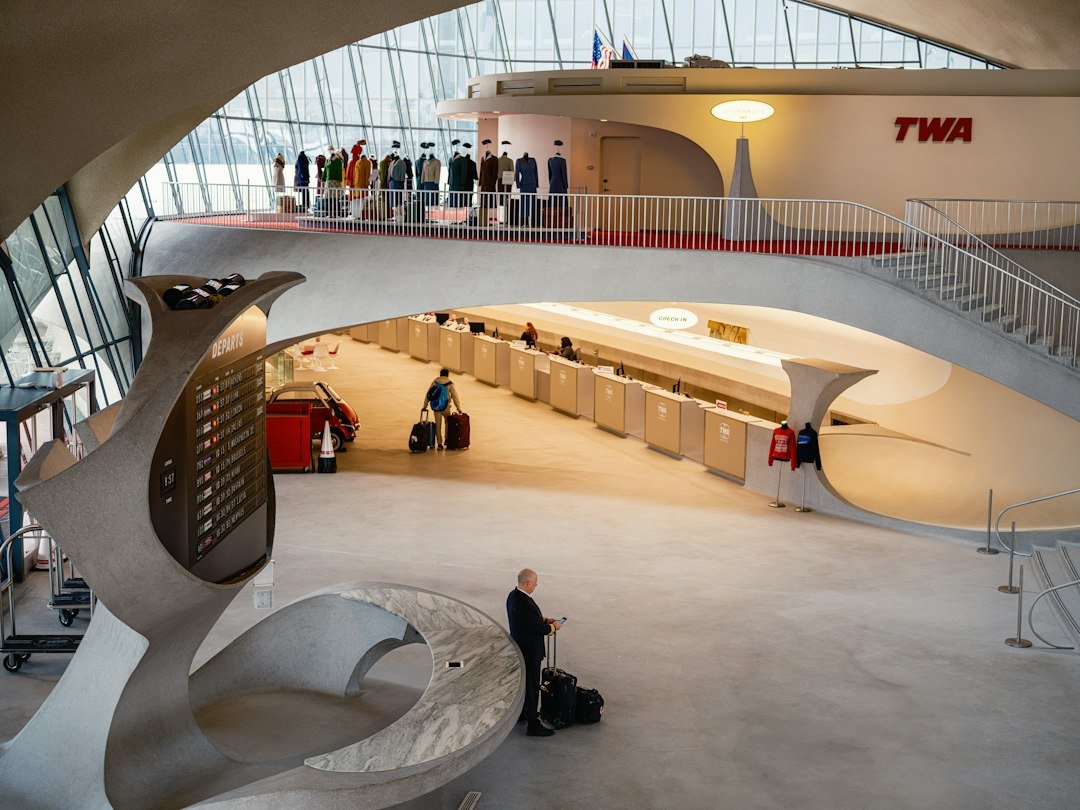
JFK Drone Report Signals Airport Disruption Risk for Nomads
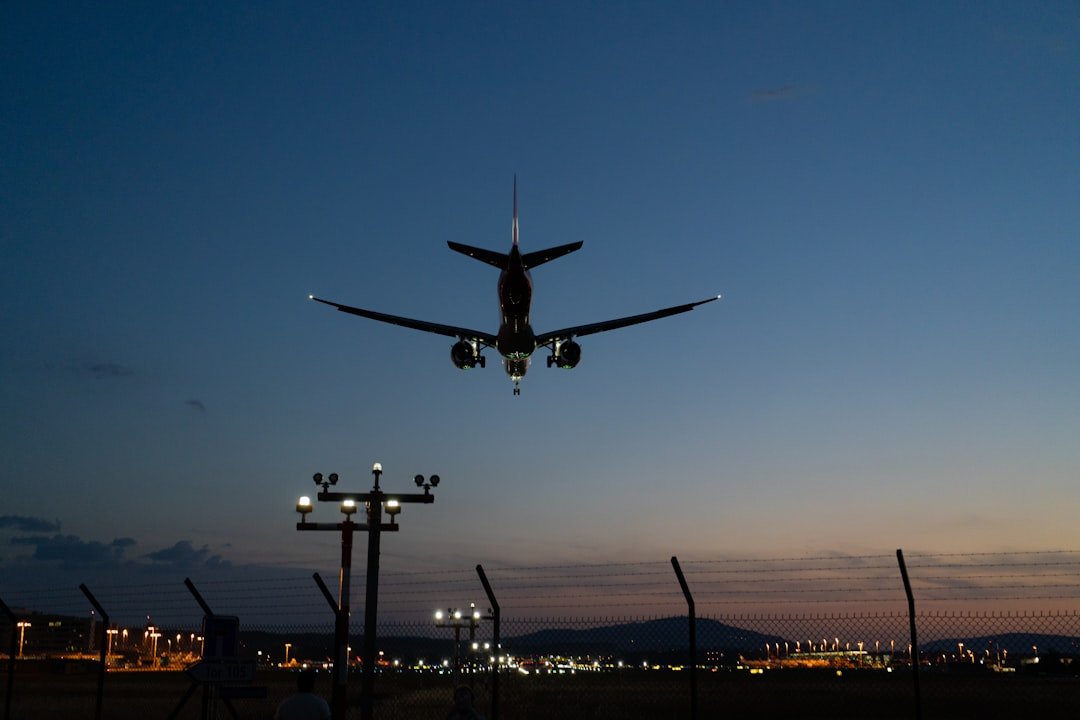
The pilot of JetBlue Flight 948 reported striking a drone at approximately 3,000 feet while on final approach to John F. Kennedy International Airport at around 7:15 a.m. on Monday, June 29, 2026. The flight, an Airbus A321 arriving from Las Vegas, landed safely at Terminal 5 with no injuries to passengers or crew. A post-flight inspection found no damage to the aircraft.
According to the FAA's confirmed statement, the agency will investigate the reported collision. The incident — while its cause is still under investigation — would rank among the first known collisions between a U.S. commercial aircraft and a drone if confirmed. The pilot's reported words, captured in air traffic control audio: "it hit us right above the cockpit."
Drone reports near airports are rising — and JFK is not alone
The FAA receives more than 100 reports of drone sightings near airports each month, according to the agency, and that figure has been trending upward. Unauthorized drone operations within controlled airspace near airports are illegal under FAA regulations, with violators facing civil fines and potential criminal charges — but enforcement remains difficult given how cheap and widely available consumer drones have become.
The JFK report did not stand alone last week. Aviation outlet AVweb reported that a United Airlines flight approaching Newark Liberty International Airport the previous Friday also reported a separate drone sighting. JetBlue's statement on the incident was brief: "Safety is JetBlue's first priority, and we will assist with any relevant investigations."
The timing adds a layer of concern for the New York metro area specifically. JFK is a primary international gateway for a region that is hosting World Cup 2026 matches, with elevated visitor traffic expected throughout the summer. Airspace around busy hub airports during high-demand periods leaves little margin for unplanned disruptions — whether a drone grounds an aircraft for inspection or triggers a temporary airspace hold.
What this means for remote workers and nomads
A reported drone incident like this one rarely causes long delays on its own — the JetBlue flight landed and passengers deplaned normally. But the pattern behind it matters more than any single event. When a drone report triggers an airspace hold or forces a diversion at a hub like JFK, the ripple effects hit connecting flights across the network.
For remote workers and nomads, the practical takeaway is straightforward: JFK and other major U.S. hubs carry latent disruption risk that has nothing to do with weather or mechanical issues. Reviewing our digital nomad travel approach, one consistent theme is building genuine slack into travel-day planning — not just 60 minutes between connections, but enough buffer to absorb a ground stop or an unplanned inspection without missing a work commitment in a different time zone.
Three specific habits are worth reinforcing after last week's report. First, monitor FAA NOTAMs (Notices to Air Missions) and airport ground stop advisories for your departure and connection airports on travel days — FlightAware and the FAA's official ATIS broadcasts both surface these. Second, where the fare difference is manageable, refundable or changeable tickets on hub-intensive routes reduce the cost of a rebooking when a disruption cascades. Third, if you work with clients across time zones, a travel-day buffer of at least one full day before a critical meeting or deadline absorbs the kind of unpredictable delay that drone incidents — and the FAA investigations that follow — can introduce into an otherwise routine approach to JFK.
Sources
JetBlue Pilot Reports Colliding With Drone On JFK Approach — One Mile at a Time, accessed June 30, 2026
JetBlue pilot reports hitting drone as flight approached landing at JFK Airport in NYC — ABC7 New York, accessed June 30, 2026
FAA Investigates JetBlue Drone Strike — AVweb, accessed June 30, 2026
You Might Also Like

Travel + Remote Work Briefing — October 15, 2026

Travel + Remote Work Briefing — October 14, 2026
Travel + Remote Work Briefing — October 13, 2026